

AI Bookkeeping
AI-based platform for automating accounting tasks for small businesses and freelancers.
Overview
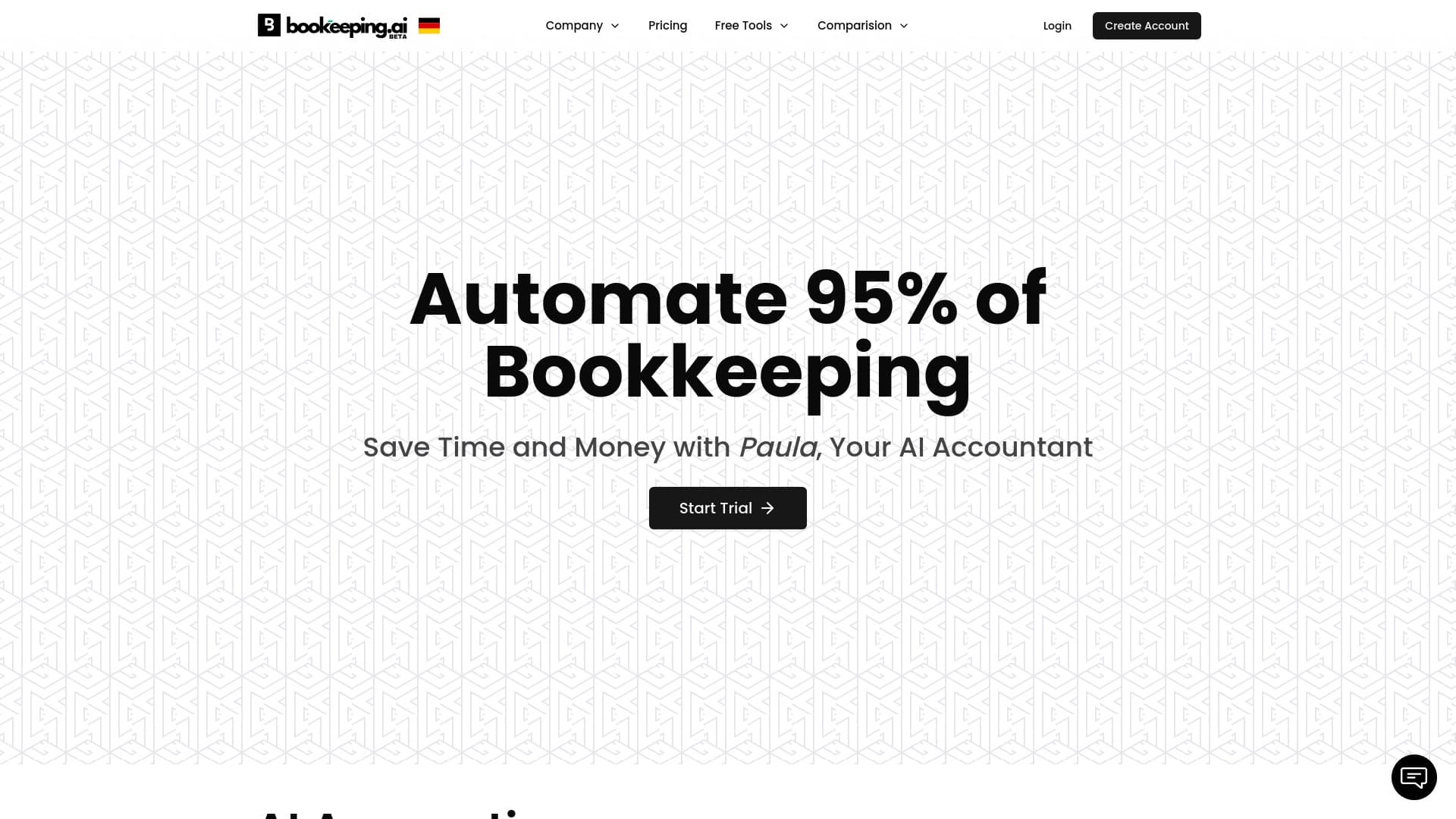
AI Bookkeeping is an online platform that uses artificial intelligence to automate financial operations for small businesses, sole proprietors, and freelancers. The service's main highlight is a virtual chat assistant named Paula. Instead of figuring out an accounting program's interface, users simply write Paula a request in natural language, for example: "Prepare an expense report" or "Check incoming invoices." The neural network understands the task and performs it automatically.
This approach turns interaction with accounting into a simple conversation. The system handles invoicing, expense sorting, transaction reconciliation, and tax reporting preparation, significantly reducing the amount of manual data entry. The platform is designed to make routine financial processes faster and less error-prone.
Core concept of the service
The platform's main goal is to simplify bookkeeping through artificial intelligence. Thanks to the chat interface, users don't need to be finance experts or understand complex terminology: it's enough to describe the task in their own words, and the neural network will handle the necessary data processing operations itself.
Target audience
The service is designed with the needs of small companies and independent professionals in mind—those who need regular help managing their money but don't want to hire an in-house accountant or overpay for outsourcing. AI Bookkeeping acts as a personal financial assistant available at any time.
AI Bookkeeping features
| Feature | Value |
|---|---|
| Type | AI-powered platform for automating financial tasks |
| Category | Tax assistance tools, Accounting services |
| Platform | Website (web application) |
| Developer | Bookeeping.ai |
| Monthly visits | 388.9K |
| Trial version | Free |
| Pricing model | Professional plan — 2999 per month; Corporate — custom pricing |
| Interface language | Not specified |
| Availability | Internet required, online platform |
Who is AI Bookkeeping suitable for?
Small businesses and sole proprietors
The platform is ideal for entrepreneurs who run day-to-day operations and don't want to spend time on manual data entry. AI Bookkeeping helps keep finances organized, control cash flow, and prepare tax reports on time.
Freelancers and self-employed professionals
For independent specialists working with multiple income sources, the service simplifies client invoicing and payment tracking. The neural network automatically syncs transactions and categorizes expenses, freeing up time for core work.
Professional accountants
Despite the automation, the service can also be useful for practicing accountants. They can use the AI as a supporting tool to speed up routine operations like processing source documents and reconciling data, focusing instead on more complex advisory tasks.
How to use AI Bookkeeping
Step 1: Registration and setup
The first step is creating an account on the platform and switching to the free trial. After registration, you'll need to connect bank accounts or cloud services to sync financial data.
Step 2: Communicating with Paula, the assistant
The primary way to interact is through chat with the virtual assistant. The user formulates a task in plain language (for example, "Check the invoices"), and the neural network processes the request and performs the operation. No complex settings or knowledge of accounting entries is required.
Step 3: Review and control
After the system completes tasks, the user only needs to review the results. In unusual situations or complex scenarios, manual intervention may be required, but the AI handles basic operations fully on its own.
Key features of AI Bookkeeping
AI Bookkeeping provides a broad set of tools for financial management, replacing several separate programs. Key capabilities include:
- Automation of accounting tasks via chat: Interacting with the neural network through a conversational interface to perform various operations.
- Invoicing: Creating and sending invoices to counterparties automatically.
- Expense management: Collecting and categorizing all expenses, monitoring budgets.
- Report generation: Producing financial documents on user request.
- Transaction synchronization: Automatically importing and processing operations from bank accounts and cloud services.
- Tax reporting: Preparing data and generating documents for filing reports.
- Financial analysis: Assessing the current financial state without manual calculations.
Advantages of AI Bookkeeping
Time and resource savings
The main benefit is a significant reduction in manual work. Invoices, expenses, reports, and data reconciliation are handled automatically, which noticeably lowers accounting support costs and eliminates routine tasks.
Simplicity and intuitiveness
The service minimizes the learning curve. Users don't need to study complex accounting software or understand financial terminology. The clear chat format makes it easy to get up to speed quickly.
Fewer errors
Process automation reduces the likelihood of human-factor errors—incorrect number entry, lost receipts, or missed payments. The system improves accounting accuracy.
Disadvantages of AI Bookkeeping
Adaptation period
Users who haven't worked with neural networks before will need time to get used to interacting with the chat assistant and trusting it with financial operations. Some may feel uncomfortable with this new way of managing finances.
Limitations with non-standard tasks
The AI handles typical scenarios well but may struggle with unusual situations. In such cases, some scenarios must be processed manually or with the help of a specialist.
Data security concerns
Financial information is stored on online servers, which always carries certain risks of leaks or third-party access. Users need to carefully consider security issues and decide whether to trust the platform with their data.
What tasks does AI Bookkeeping solve?
- Automating invoice generation and managing accounts receivable.
- Managing and controlling expenses, including sorting spending by category.
- Preparing financial reports based on up-to-date data.
- Reconciling bank transactions with actual operations.
- Systematizing and recognizing receipts for accounting purposes.
- Preparing data for tax reporting.
- Performing basic financial analysis without manual input.
AI Bookkeeping pricing
The service's pricing model includes several plans:
- Trial version: Provided free of charge. Allows users to explore the platform's core features and the Paula chat assistant.
- Professional plan: Costs 2999 per month. Includes the full set of features for active bookkeeping.
- Corporate plan: Pricing is calculated individually for each company. Suitable for organizations with high transaction volumes and specific requirements.
Terms of use for AI Bookkeeping
Registration on the platform's website is required to get started. When using the service, keep in mind that non-standard accounting tasks may require manual intervention from the user or a specialized professional.
It's also worth noting that using the service involves transferring financial data to a cloud environment. Potential users are advised to weigh the security risks and verify the service's reliability before uploading confidential information.
AI Bookkeeping availability
The service is available through a web browser as an online platform. A stable internet connection is required. Information about interface languages and supported regions is not officially disclosed; however, the site's monthly traffic (over 388,000 visits) points to a significant user base and broad popularity.
How AI Bookkeeping differs from alternatives
Other AI tools on the market can process financial data—for example, Gemini, ChatGPT, or Fireworks—as well as specialized services like Polymer or SigmaChat. However, AI Bookkeeping occupies its own unique niche.
The key difference is its narrow focus on accounting. Unlike general-purpose chatbots that can only offer general advice, AI Bookkeeping performs concrete actions: it issues invoices, syncs bank data, automatically sorts expenses, and prepares tax forms. It's a full-fledged workhorse for financial accounting, not just a consultant.
In addition, the service offers a dedicated assistant—"Paula"—trained specifically to work with financial documentation. Her functionality is tailored to small-business accounting tasks, whereas similar solutions for large corporations are often overloaded and difficult to learn. The simplicity of the chat interface combined with professional accounting tools is what sets AI Bookkeeping apart from competitors.
Conclusion
AI Bookkeeping is a practical solution for automating bookkeeping, designed for small businesses and freelancers. Thanks to the intuitive chat with the Paula assistant, the platform makes it easy to manage invoices, expenses, and reporting, significantly saving time and reducing the cost of a professional accountant. The service effectively covers basic routine tasks; however, complex situations and consultations may require a human specialist. When using the service, it's important to consider the security aspects of storing financial data in the cloud. Overall, AI Bookkeeping is a modern tool that makes financial accounting more transparent and accessible.
Frequently asked questions
See also

Service for live AI conversations, including text generation, voice, and speech recognition.
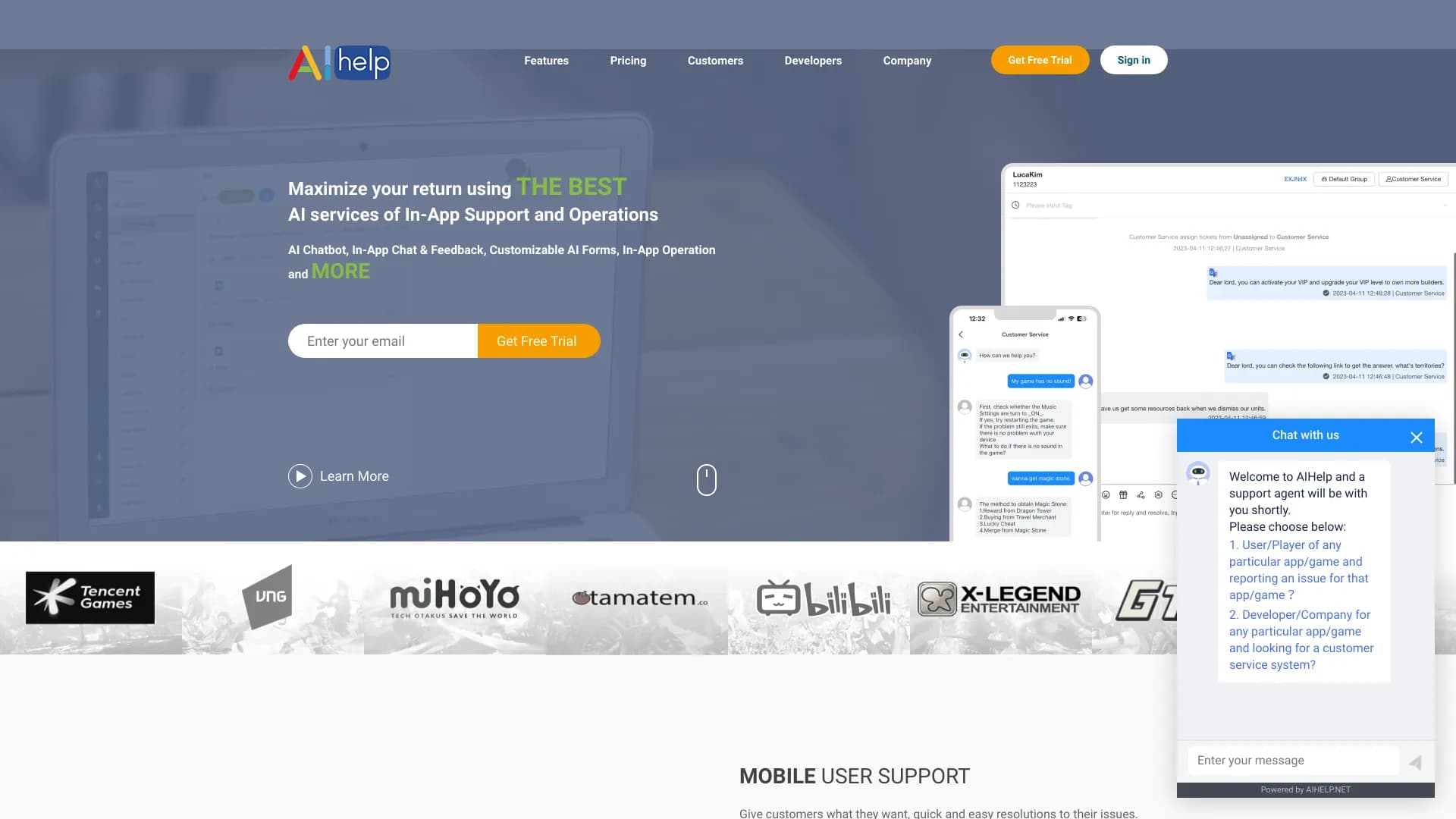

AI platform for user support in applications, including a chatbot and ticketing system.


AI-based platform for creating and editing product images and videos for e-commerce sellers.

Universal AI assistant that analyzes videos and web pages, answers questions, and creates summaries.
Intelligent assistant from Microsoft, built into the Bing search engine and Edge browser, powered by GPT-4.
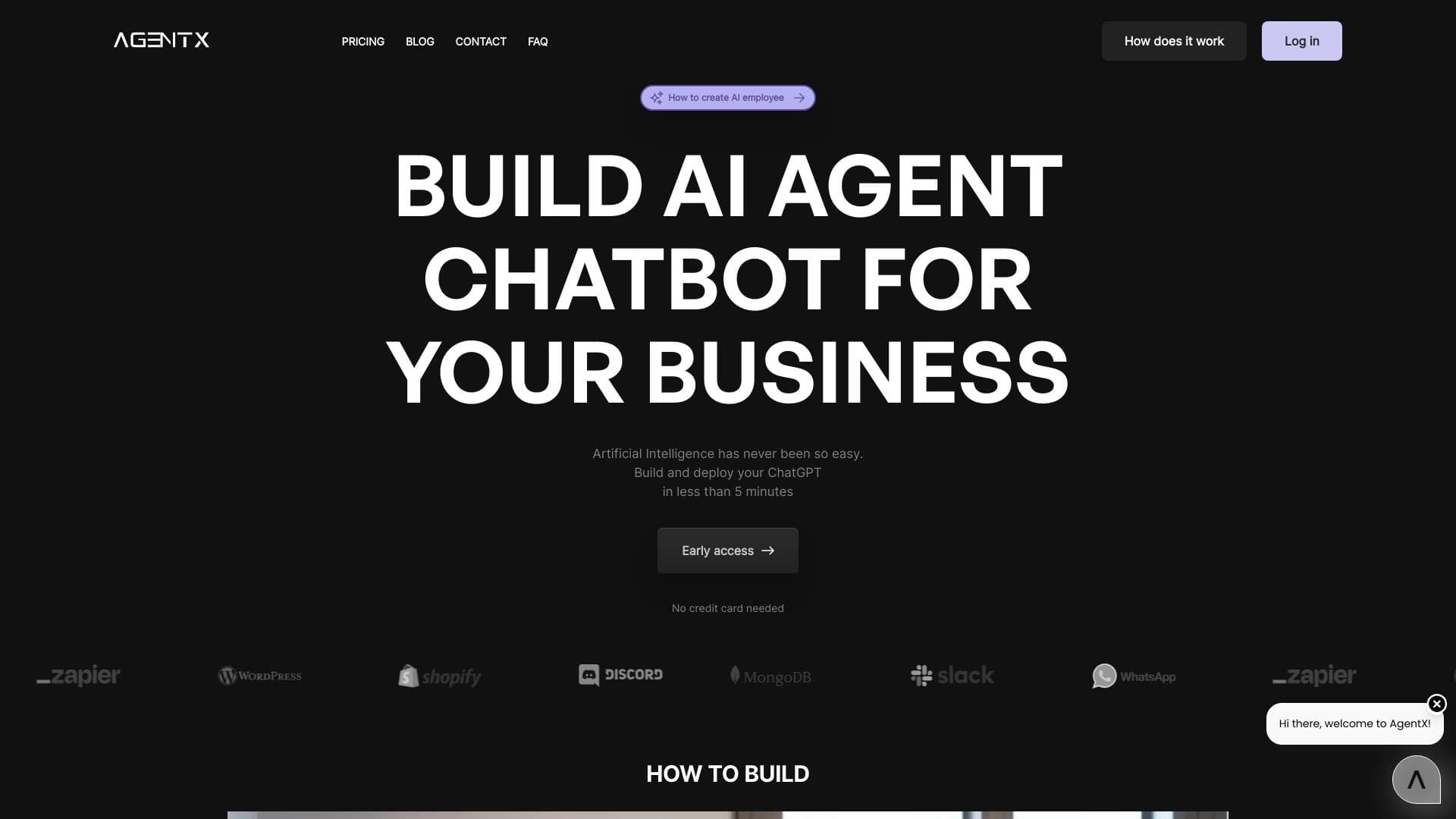

Platform for creating multi-agent AI systems and chatbots to automate customer support and lead generation.
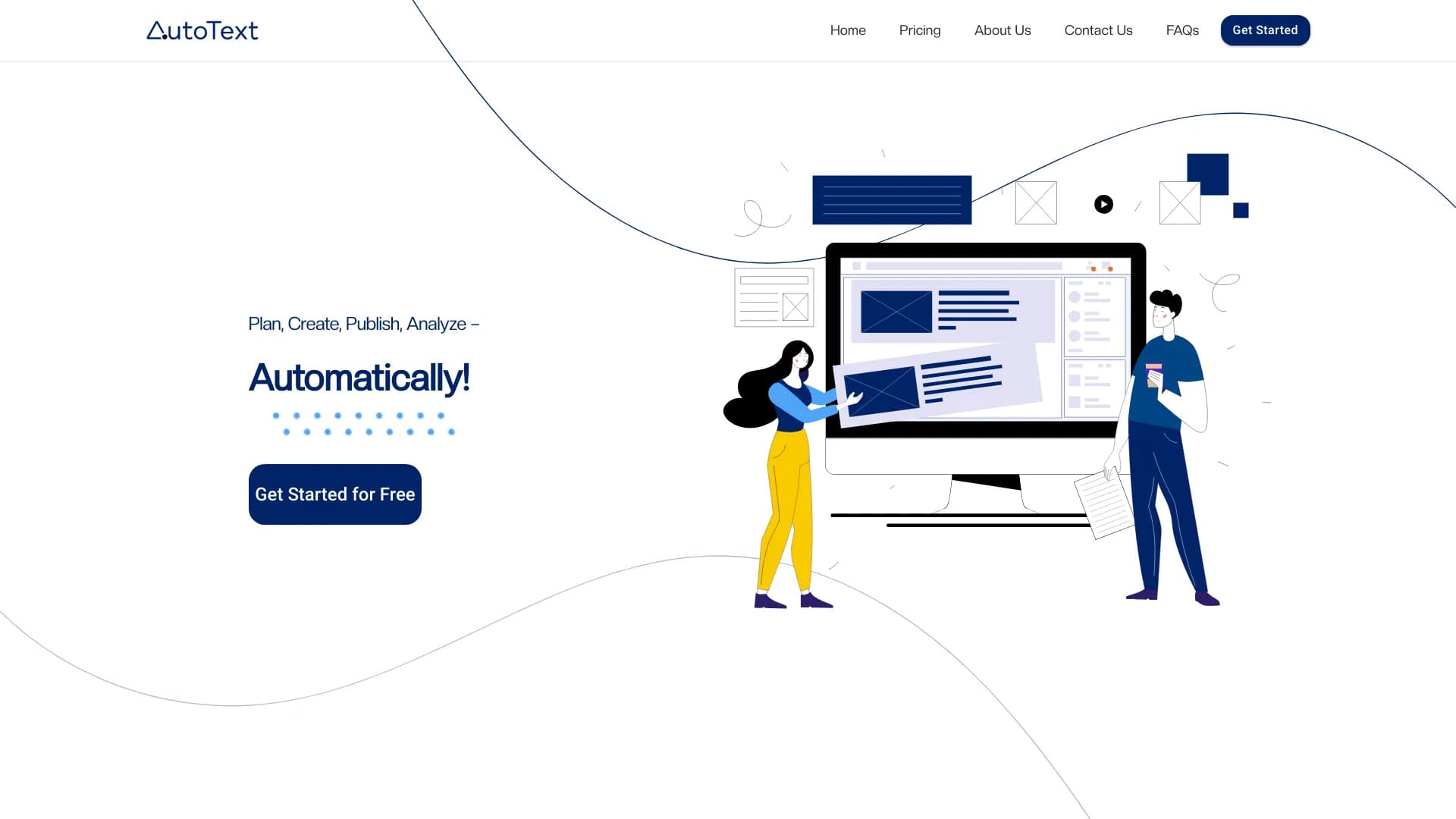

AI tool for automating social media marketing, including content generation, post scheduling, and analytics.
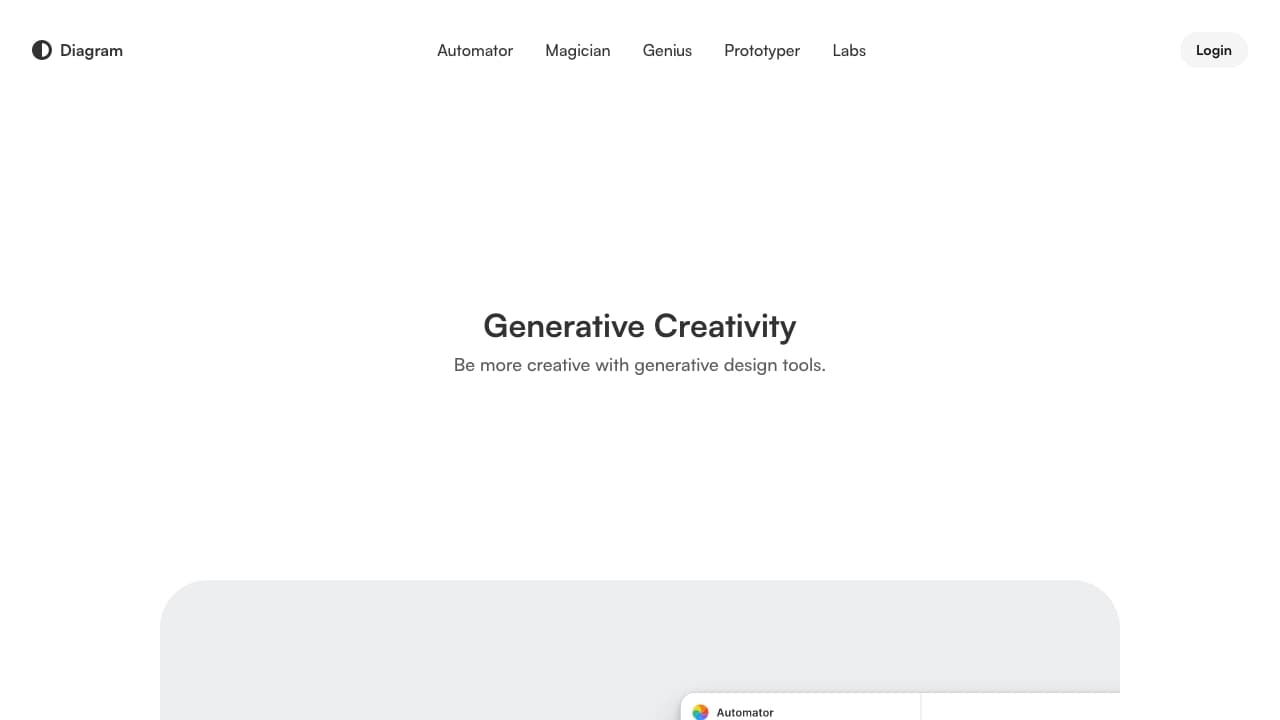
A tool for creating diagrams and mind maps from text descriptions in natural language.