
AI Accessibility Toolkit
A set of AI tools for improving the accessibility of digital content: from generating alternative texts to simplifying and summarizing.
Overview
AI Accessibility Toolkit is an integrated suite of AI-powered tools designed to improve the accessibility of digital content. The primary goal of the neural network is to make websites, documents, and multimedia materials clear and comfortable for people with diverse needs, including screen reader users and individuals with cognitive differences.
The platform addresses a wide range of tasks: from generating high-quality alternative text for images and complex graphics to simplifying wording and adapting materials to modern accessibility standards. The tool allows not only one-off content improvements but also systematic work: it can be used for self-assessment, progress tracking, and generating accessibility reports for an organization's digital environment.
Key Feature of the Approach
Unlike narrowly specialized solutions, AI Accessibility Toolkit offers a unified ecosystem for working with accessibility. Instead of using different services for creating alt-text, checking readability, and condensing materials, users get a comprehensive solution. This is especially valuable for editorial teams and content teams where process standardization and a single point of quality control are important.
AI Accessibility Toolkit Characteristics
| Characteristic | Value |
|---|---|
| Type | Suite of AI tools |
| Category | Image description, summarization |
| Website | accessibilitydesk.com |
| Distribution model | Not specified (requires confirmation on the official website) |
| Target audience | Authors, editors, content managers |
| Main areas | Alt-text, readability, summarization, reporting |
Who is AI Accessibility Toolkit suitable for?
Content Authors and Editors
The tool is primarily intended for professionals who create and publish digital materials — articles, product descriptions, reports, educational documents. For them, it's important that content is not only high-quality in substance but also technically accessible to all categories of users, including those who use assistive technologies.
Content Teams and Organizations
AI Accessibility Toolkit is suitable for companies and organizations working on systematic improvement of digital accessibility. The ability to track progress and generate reports makes the tool useful not only for regular editors but also for managers responsible for compliance with accessibility and inclusivity standards.
How to use AI Accessibility Toolkit?
Content Workflow
Using the tool integrates into the standard content process. When preparing an article or website page, users can run images through the neural network to generate alt-text, check complex paragraphs for readability, and get a simplified version of the text if needed. For long materials, the summarization feature allows quickly creating an annotation or summary accessible to a wide audience.
Self-Assessment and Improvement Process
The tool offers accessibility self-assessment features that help identify problem areas in already published content. This allows organizations to build regular improvement workflows: conducting audits, recording results, and monitoring performance dynamics. This approach turns a one-off task into a manageable and measurable process.
Key Features of AI Accessibility Toolkit
Alternative Text Generation
The neural network can create high-quality descriptions for images, videos, charts, tables, and infographics. Alt-text is generated with consideration of the context and purpose of the material, making it useful for screen reader users.
Text Checking and Simplification
The tool analyzes text complexity and suggests clearer wording. This helps adapt materials to accessibility standards and make them understandable for people with different cognitive abilities.
Summarization and Self-Assessment
The summarization feature allows condensing long materials into brief summaries and annotations. Additionally, self-assessment and reporting tools are available to help identify problem areas and track progress on content accessibility.
Advantages of AI Accessibility Toolkit
Inclusivity and Standards Compliance
The main advantage is the ability to make content genuinely accessible to users with screen readers and assistive technologies. The tool offers clearer wording and helps adapt material to existing accessibility standards, reducing barriers for people with special needs.
Systematic Approach and Measurable Results
Thanks to self-assessment and reporting features, organizations can systematically improve their digital environment. Progress tracking and available reports allow not only recording improvements but also justifying further investments in accessibility. This makes the tool valuable for both editors and managers.
Disadvantages of AI Accessibility Toolkit
Since AI Accessibility Toolkit is positioned as a suite of tools rather than a single monolithic solution, organizations may need time to learn all available features and integrate them into their workflows. Some users may find the interface and functionality excessive for simple tasks (for example, one-off alt-text generation).
Additionally, information about the distribution model and exact pricing of the tool is currently undisclosed, which makes it difficult to assess its accessibility for small teams or individual authors. For an accurate understanding of the platform's limitations and capabilities, it is necessary to refer to official sources.
What tasks does AI Accessibility Toolkit solve?
- Creating high-quality alt-text for images and any media files (including videos, charts, tables, infographics).
- Simplifying complex texts for comprehension by a wide audience.
- Checking content for readability and compliance with accessibility criteria.
- Creating accessible summaries and annotations for long materials.
- Tracking progress and generating accessibility reports for organizations.
The tool covers the full cycle of tasks — from initial material preparation to quality control and systematic improvement of the digital environment.
AI Accessibility Toolkit Pricing
Current pricing information for AI Accessibility Toolkit is not disclosed on the official website accessibilitydesk.com. The neural network may be distributed via a subscription model, offer a free tier with limitations, or require an individual pricing request — exact terms need to be clarified directly with the developers.
AI Accessibility Toolkit Terms of Use
The terms of use of the platform directly depend on the distribution model, which is currently not officially defined. Users and organizations interested in working with the tool are advised to contact the team at accessibilitydesk.com for information about usage rules, possible restrictions, and account requirements.
AI Accessibility Toolkit Availability
The tool itself exists in web format and is available through the website accessibilitydesk.com. This means that only a browser and an internet connection are required to use it, which simplifies usage across different devices and operating systems. No separate applications or offline versions are described in official sources.
How AI Accessibility Toolkit differs from alternatives
The difference between AI Accessibility Toolkit and other tools (for example, ImageDescriber.dev, Tactiq, or Writebot) lies in its comprehensive approach. Many alternatives solve one specific task: generating prompts or descriptions, transcription, or summarization. Meanwhile, this suite of tools combines alt-text generation, text simplification, summarization, and accessibility self-assessment in one place.
This approach is convenient for organizations that need not a point solution but a system for regular work on content accessibility with control and reporting capabilities, which favorably distinguishes AI Accessibility Toolkit from narrowly specialized competitors.
Conclusion
AI Accessibility Toolkit is a practical suite of AI tools for those who professionally create and edit digital content and want to make it accessible to the widest possible audience. Comprehensive functionality — from alt-text generation to self-assessment and reporting — allows solving the full range of accessibility tasks on a systematic basis. The tool is especially useful for authors, editors, and organizations striving for inclusivity and compliance with modern standards, and its key advantage is combining multiple functions in a single platform. For accurate information about pricing and distribution terms, it is recommended to refer to the developer's official website.
Frequently asked questions
See also
Anakin.ai is a low-code platform that combines various AI models for content creation and workflow automation without coding.

Bleepify automatically detects and bleeps out profanity in video and audio.

Online image editor with AI-powered features for photo processing, design, and content generation.
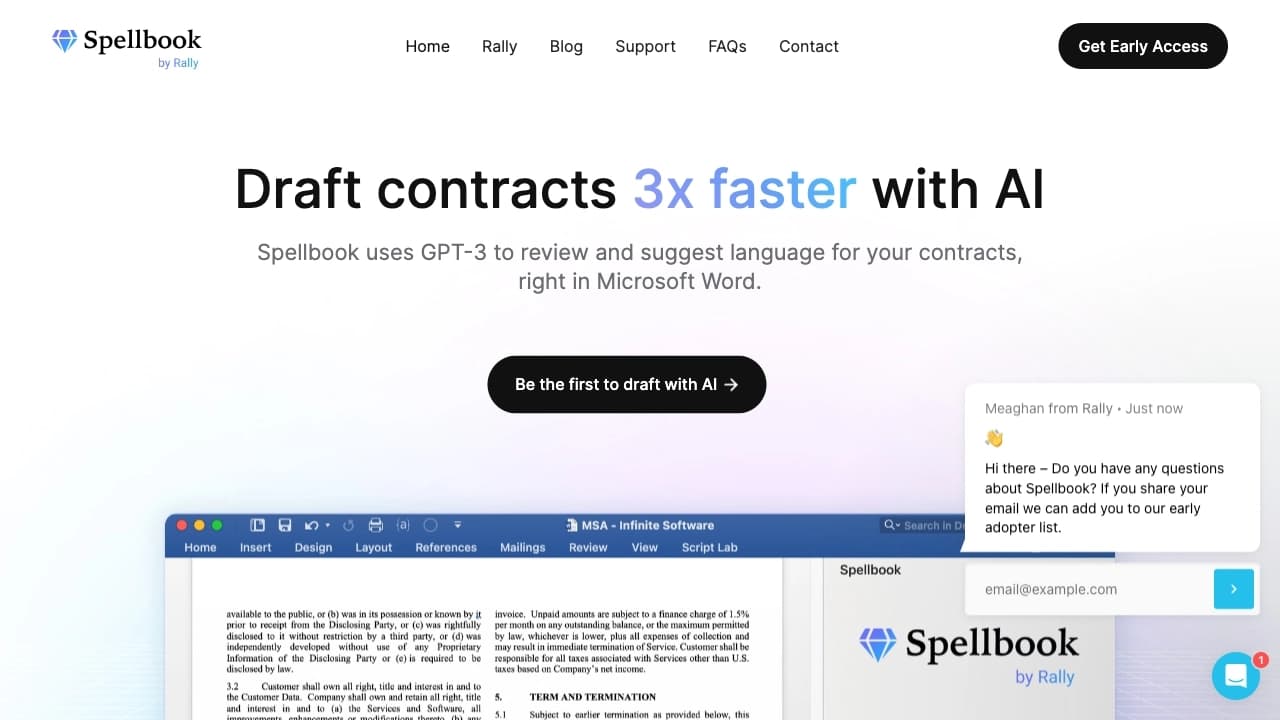

An add-in for Microsoft Word that uses neural networks to automate the creation, editing, and analysis of legal contracts.
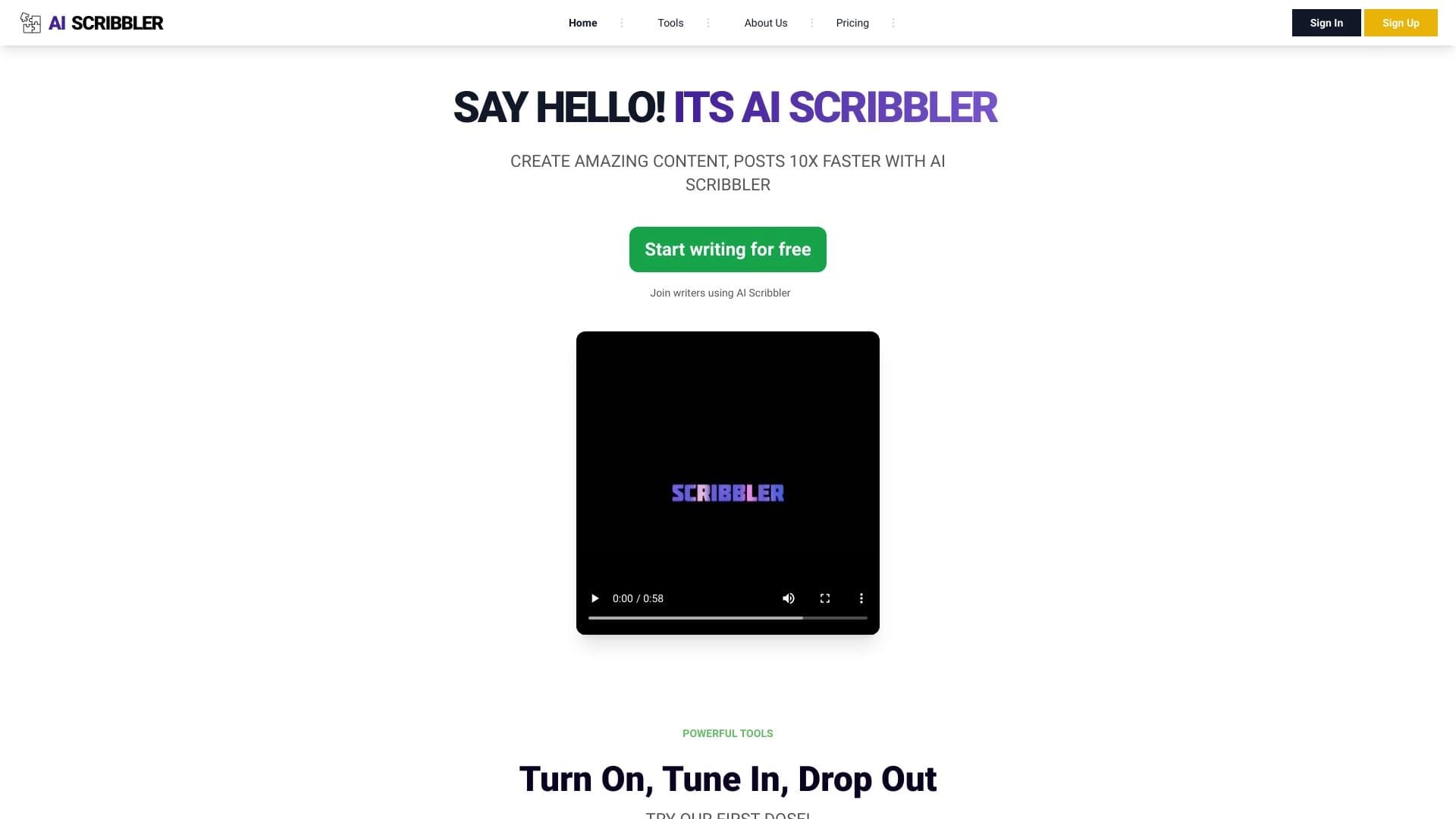

AI-powered online platform for quickly creating text content, including blogs, articles, and social media posts.
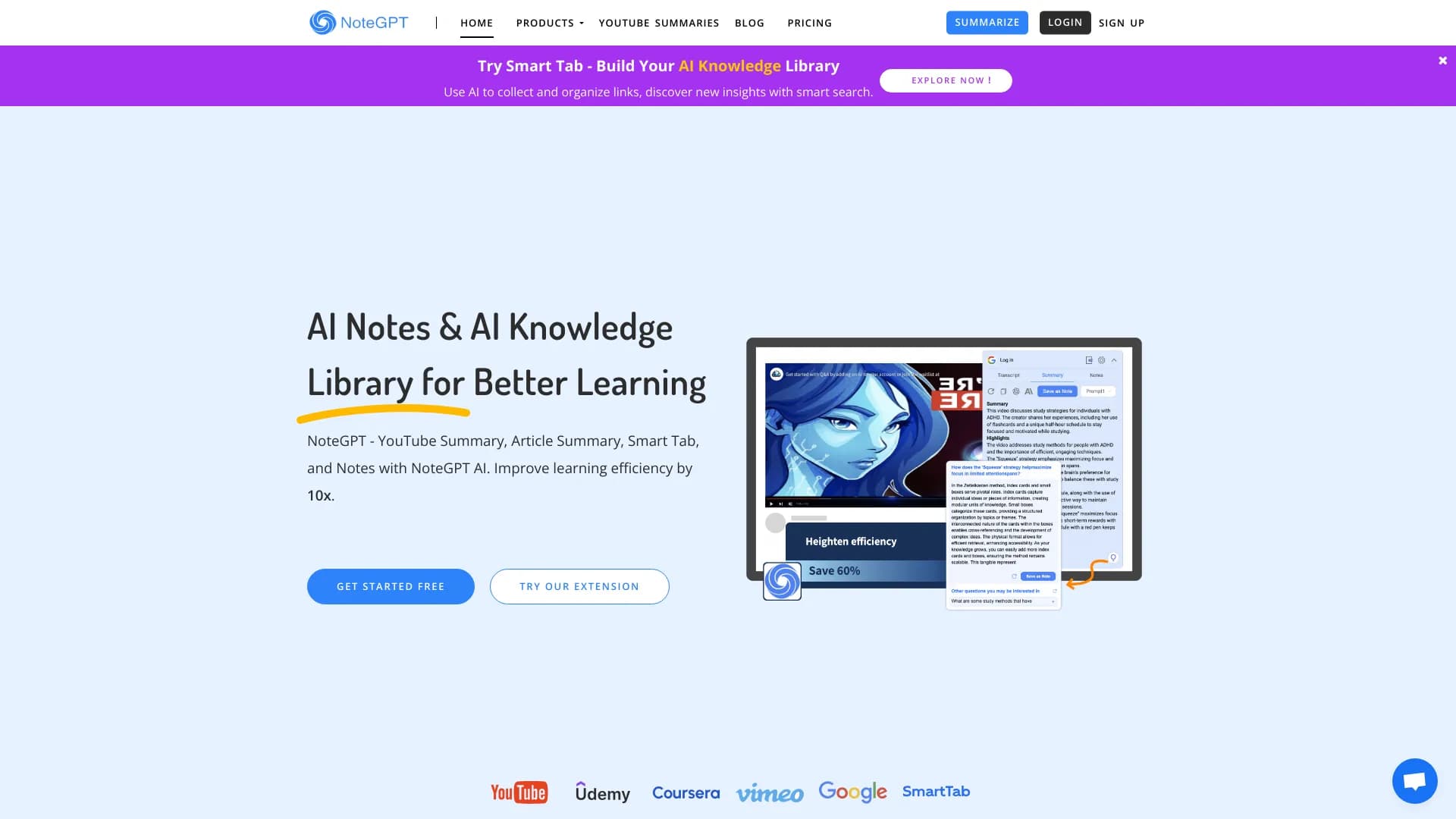

AI assistant for creating short summaries of videos, PDF documents, and web pages.
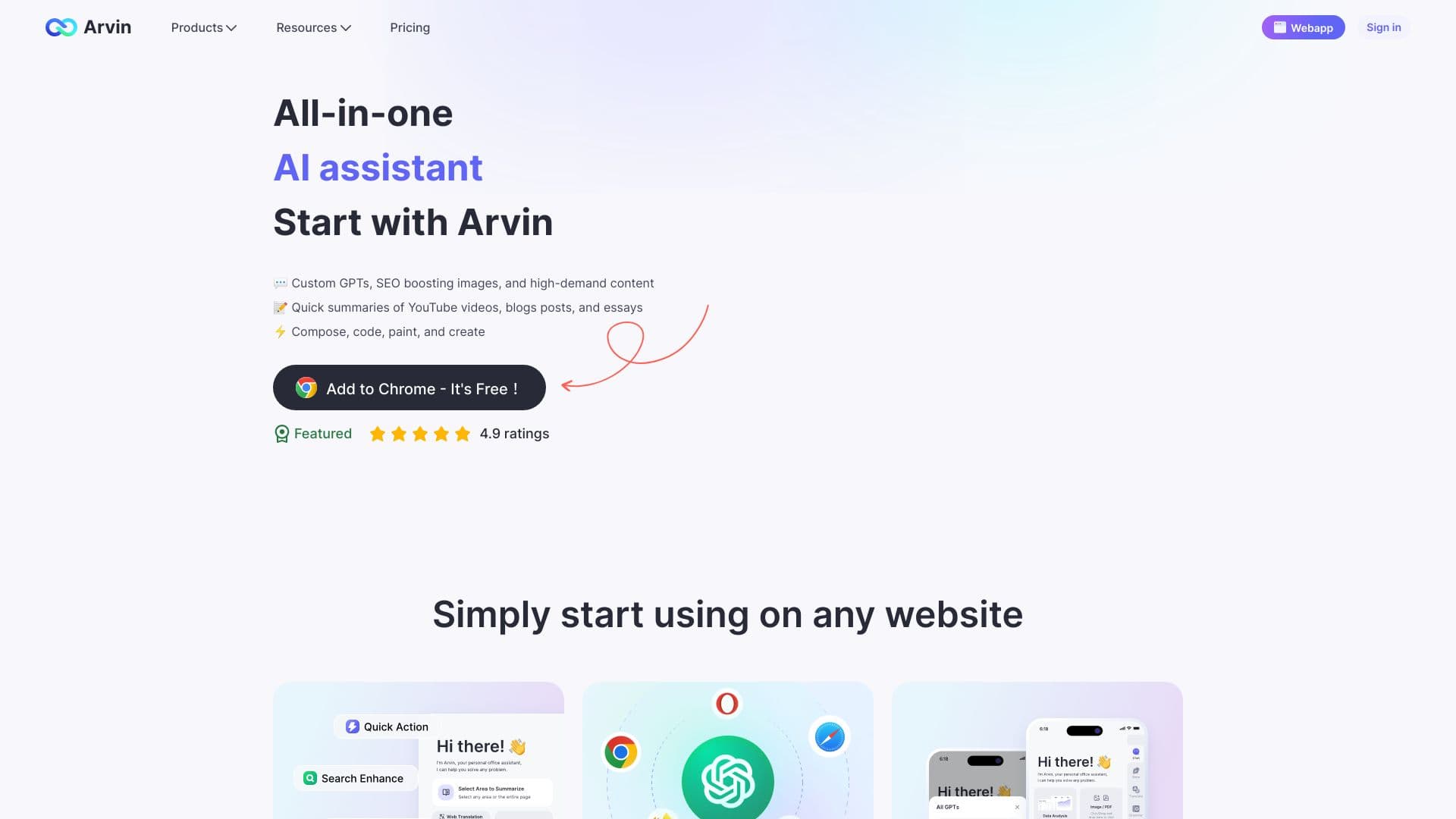
Browser extension and web service with AI assistant features: answering queries, summarizing videos and documents, and translating text.
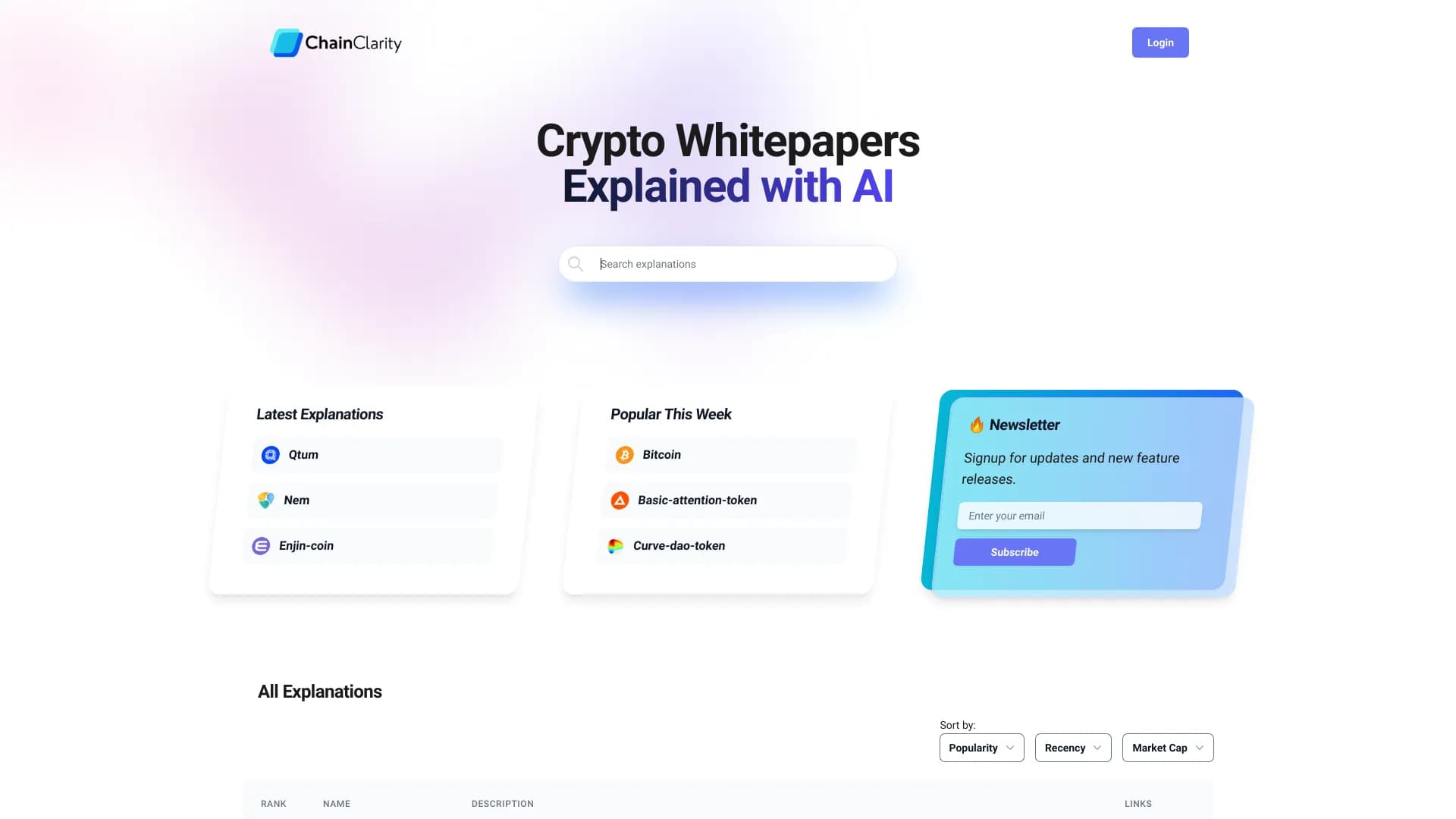
AI-powered service that simplifies technical documents of cryptocurrency projects for a broad audience.