

Agno
Platform and open-source library for building, deploying, and managing AI agents.
Overview
Agno AI Description
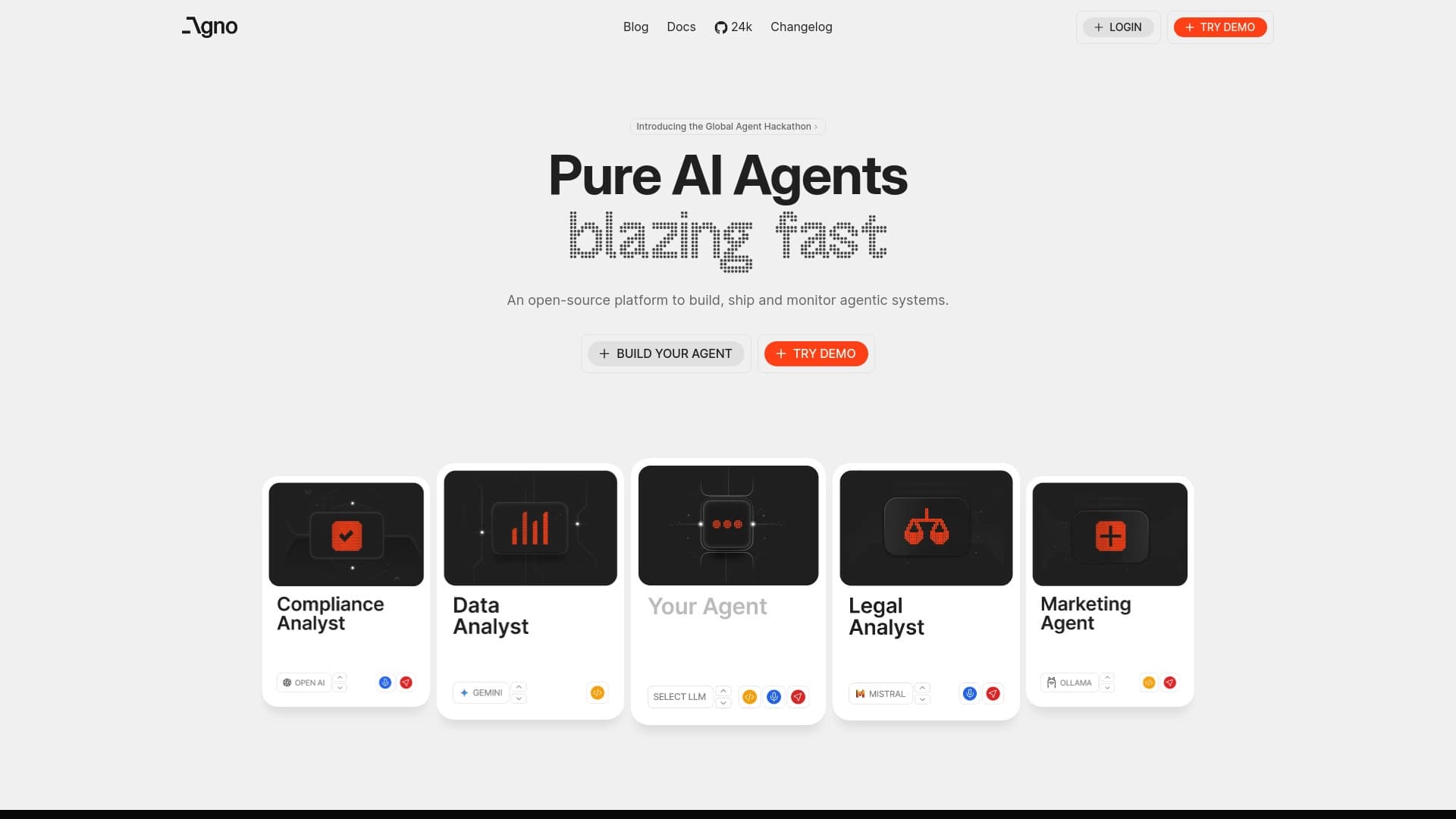
Agno is an open-source platform and library designed for building, deploying, and managing multimodal AI agents. The project's key feature is its lack of dependence on a single language model. Developers can freely connect proprietary solutions like OpenAI as well as open-source alternatives, choosing the optimal option for a specific task.
The platform combines several key components: a workflow builder with a drag-and-drop interface, tools for integrating memory and knowledge bases, and a system for monitoring agent performance. This allows complex AI systems to be assembled not only by programmers but also by business users who want to automate routine processes without deep coding expertise.
Agno Features
| Feature | Value |
|---|---|
| Type | Library for building multimodal AI agents |
| Category | Text processing tools |
| Free tier | Yes (basic features) |
| Developer | Agno |
| Monthly visits | 8.0K |
| Publication date | September 10, 2025 |
| Distribution model | Open-source library |
Who is Agno AI for?
Developers and technical specialists
Agno is primarily aimed at developers who want to build AI agents for various tasks, from support automation to internal search across corporate knowledge bases. Thanks to its modular architecture and support for different language models, engineers can flexibly configure agent behavior without rewriting code from scratch.
Startups and small companies
Agno is attractive to young companies with limited budgets because basic features are available for free, and startups with limited budgets can get the Pro version at no additional cost. This allows experimenting with AI agents without significant financial investment at the outset.
Large corporations
For large organizations, the platform offers on-premise or hybrid deployment, which is critical for companies with strict data security requirements. Role-based access and version control simplify teamwork and compliance with internal regulations.
How to use Agno AI?
Basic workflow
Working with Agno begins with selecting a language model suitable for the current task. After that, a knowledge base is loaded into the platform — corporate documentation, structured data, or any other materials the agent will need for answers. Then, the necessary tools and API integrations are connected.
Launch and monitoring
Once configured, agents are deployed, and developers can track their behavior in real time. Monitoring allows for promptly identifying errors and adjusting parameters. This iterative approach helps bring agents to production quality without a lengthy development cycle.
Skill requirements
It's important to understand that using Agno requires a technical foundation and basic knowledge of programming and neural networks. Setting up complex agents entirely without developer involvement is unlikely — the platform simplifies the process but does not eliminate the need to understand what's happening under the hood.
Key Agno features
Building multimodal AI agents
The platform allows assembling agents that work with text, images, and other data types. Each agent is equipped with memory and tools for interacting with external services.
Support for various language models
Agno does not lock users into a single provider. OpenAI models, open-source alternatives, and other options are available. This provides freedom of choice and helps optimize costs depending on the task.
Modular architecture
All components — memory, tools, integrations — are implemented as separate modules. This approach simplifies system scaling, updating individual parts without stopping the entire agent, and adding new features as needed.
Monitoring and version control
The platform includes tools for tracking agent performance, allowing quick error detection and response quality improvement. Version control helps manage changes when working in a team.
Agno advantages
Easy integration with external services
Agno easily connects to various APIs, databases, and corporate systems. This allows agents to serve as a bridge between disparate company services, aggregating information from multiple sources into a single access point.
Flexible modular structure
The modular approach simplifies scaling: as load increases, individual components can be replaced without rewriting the entire system. Updates also don't require rebuilding the whole agent.
Personalization through memory
Built-in memory allows agents to remember the context of previous interactions and adapt to a specific user. This improves support quality and makes responses more relevant.
Open source
The open library allows studying the code, customizing it to specific needs, and avoiding dependence on a single vendor. The absence of lock-in is a significant advantage for many teams.
Agno disadvantages
Entry barrier for non-specialists
Without programming knowledge and an understanding of how neural networks work, using the platform will be difficult. Business users will likely need to involve developers to configure and maintain agents.
Limitations for non-standard tasks
While basic features cover most typical scenarios, the platform's out-of-the-box capabilities may not suffice for specific tasks. Custom code or additional modules may be required.
Security risks
Open code and the need to integrate with various data sources create potential risks. Without regular updates and proper security measures, agents can become an attack vector for malicious actors.
What tasks does Agno solve?
Support automation
Agents can handle typical user requests, answer frequently asked questions, and escalate complex cases to human operators. Thanks to memory, the agent remembers interaction history and doesn't ask customers to repeat information.
Internal search and knowledge bases
Agno is suitable for building internal search systems across documentation, regulations, and other corporate materials. Employees get quick access to the information they need in natural language format.
Personalized conversational agents
The platform allows building agents that adapt to the user: remembering preferences, conversation context, and interaction history. This is useful in sales, consulting, and training.
External API integration
Connecting various databases and services expands agent functionality: they can retrieve up-to-date data, perform operations via APIs, and exchange information with corporate systems.
Agno pricing
Free tier
Basic Agno features are available for free. This is enough to get familiar with the platform, create simple agents, and test functionality.
Professional tier
At the time of publication, the Pro version was in development. It is expected to include advanced monitoring features and optimization tools. The exact price has not been disclosed.
Enterprise tier
For large companies, Agno offers custom pricing. Terms depend on deployment scale, the number of agents, and infrastructure requirements.
Special terms for students and startups
Students and startups with limited budgets can get Agno Pro for free. This is significant support for young projects and research teams.
Agno terms of use
Agno is distributed as an open-source library. Effective use requires programming knowledge and an understanding of how neural networks function. Since the platform integrates with various data sources, it's important to consider security risks: regularly update the library, monitor patches, and apply additional protective measures (access restrictions, data encryption, agent activity auditing). Responsibility for the security of created systems lies with the developer or the using organization.
Agno availability
The platform's official website is agno.com. The category on the site is "Text processing tools." There is no information about VPN requirements or regional restrictions — it can be assumed that the service is available to users in most countries.
How Agno differs from alternatives
Agno stands out from competitors through a combination of three factors: simplicity, open code, and flexibility. Unlike closed platforms, any language models can be connected here — from commercial solutions to open-source alternatives — and freely combined within a single project.
The modular architecture allows adding memory, tools, monitoring, and version management without vendor-imposed restrictions. This is not a "boxed" solution with a fixed feature set, but a builder that doesn't limit the developer's imagination. For teams that need full control over the system and the ability to adapt it to specific tasks, Agno proves to be a more attractive option compared to proprietary alternatives.
Conclusion
Agno is a flexible open-source platform for building multimodal AI agents, aimed at developers and companies with technical expertise. It allows assembling agents without being tied to a specific language model, connecting memory, tools, and integrations, tracking their performance, and deploying them in any environment — from cloud to on-premise. Key advantages — simplicity, modularity, and open code — are complemented by a free tier and favorable conditions for startups. At the same time, the requirements for technical knowledge and potential security risks associated with integrations should be considered. For teams looking for a flexible tool without vendor lock-in, Agno can become a reliable foundation for automation and AI agent implementation.
Frequently asked questions
See also
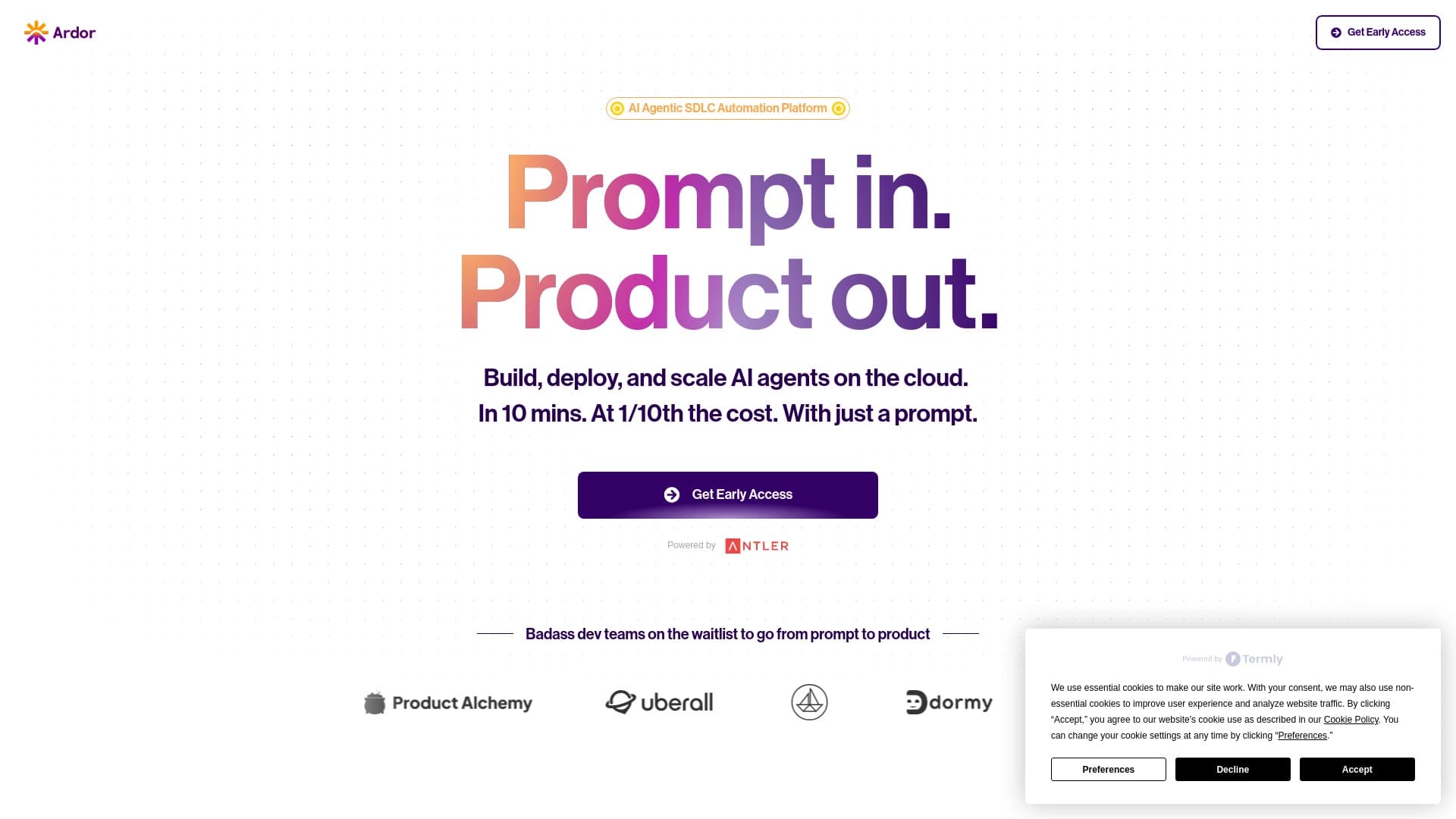

A platform for automating software development using a visual builder for AI agents.
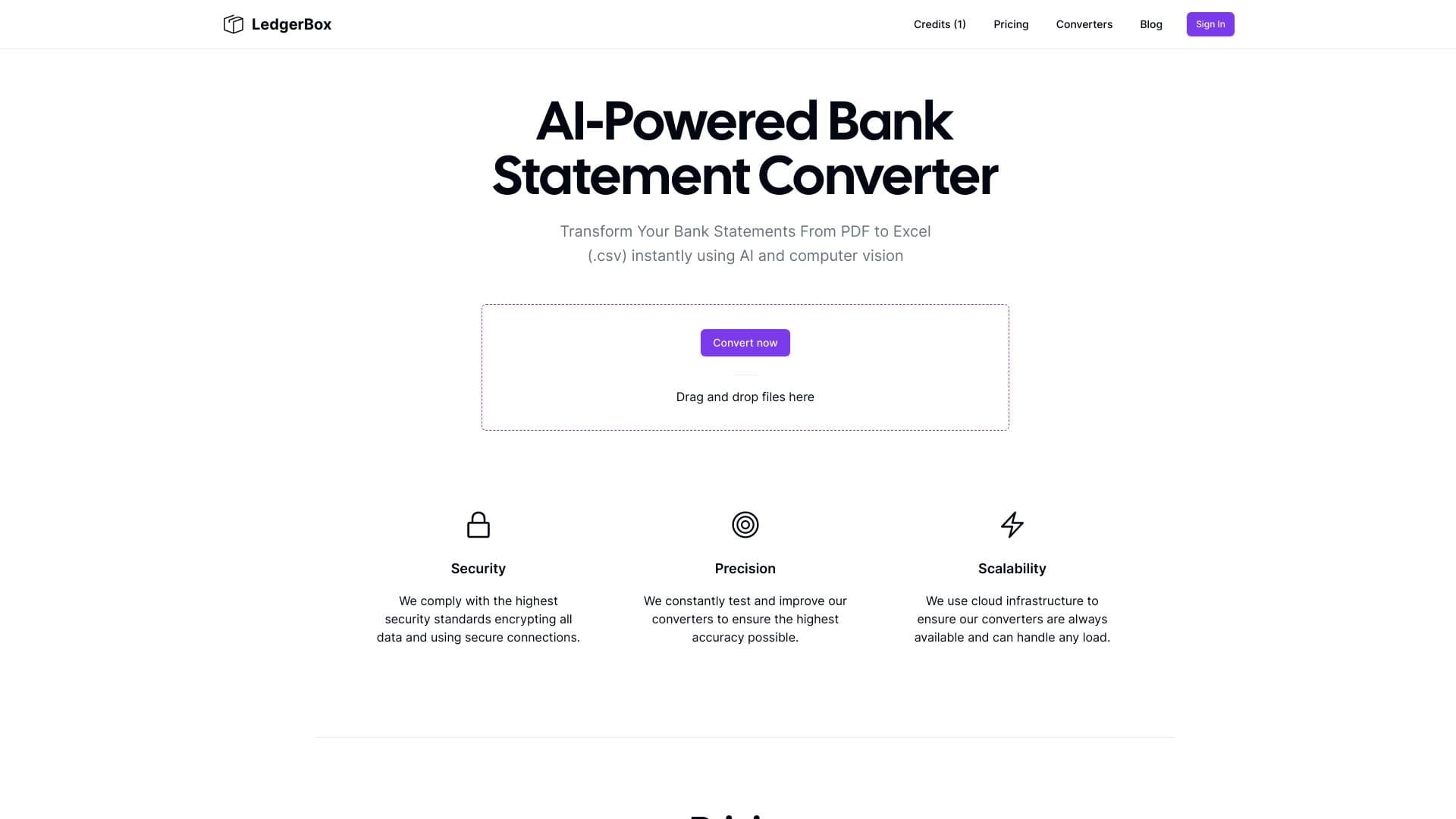
Automatically extract financial data from PDF documents and convert it to Excel or CSV.


Platform for automatic work time tracking and team productivity analysis.
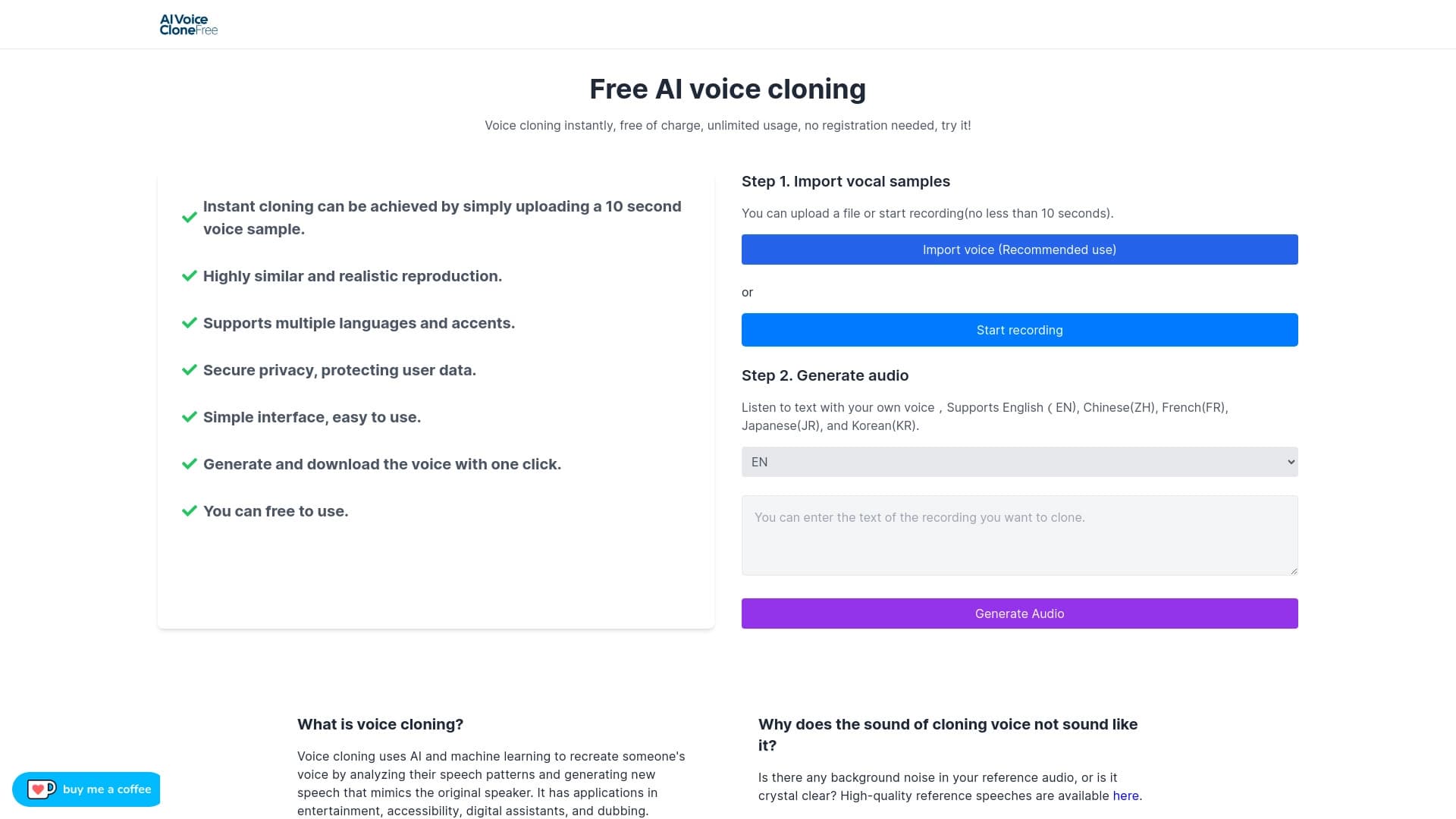
Online service for creating a realistic voice clone from a short audio recording and text-to-speech.
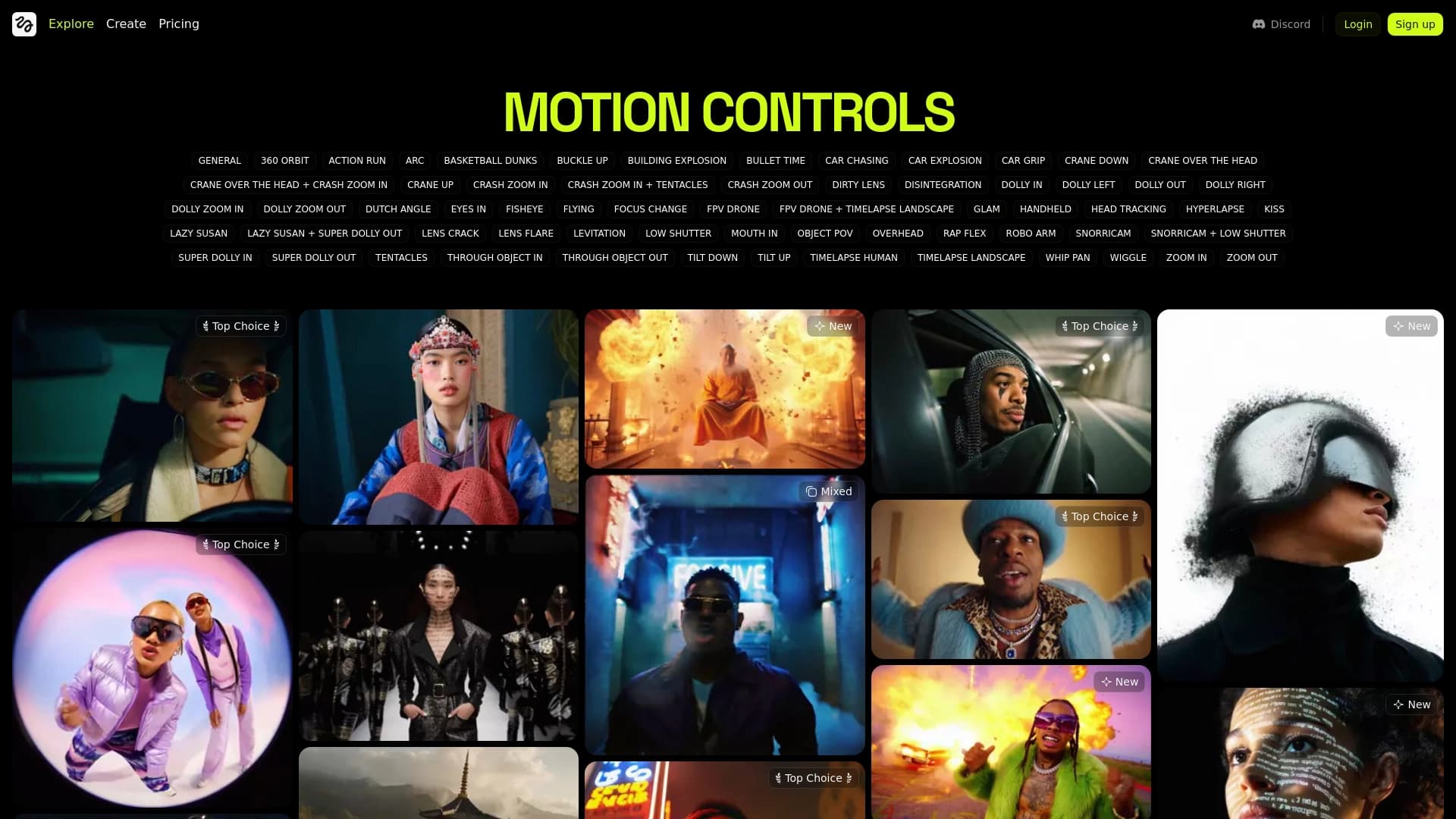

Generative platform for creating realistic images and short videos from text or images with control over style and camera movement.
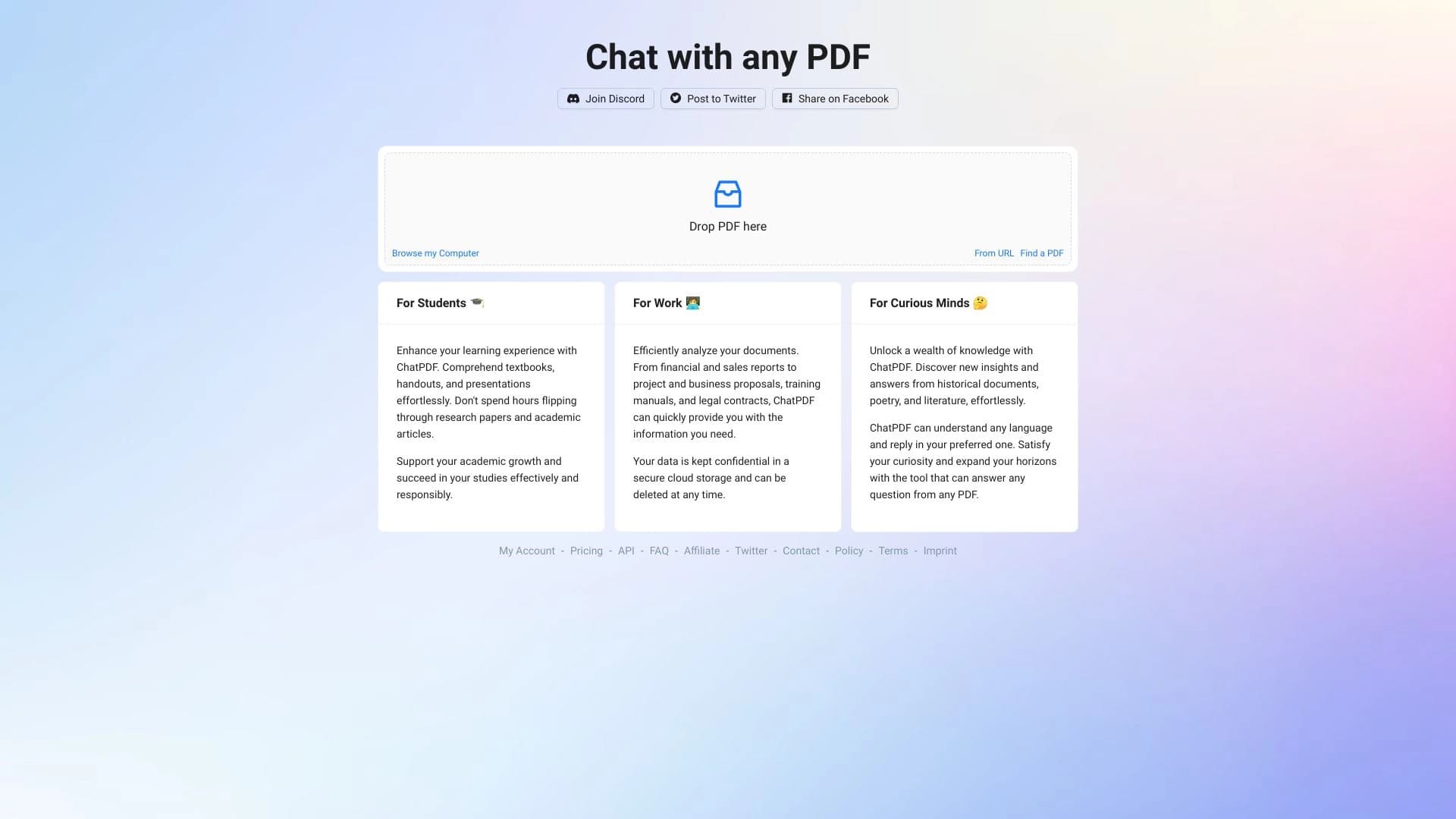
An online service that lets you chat with PDF documents: ask questions and get concise answers with source attribution.
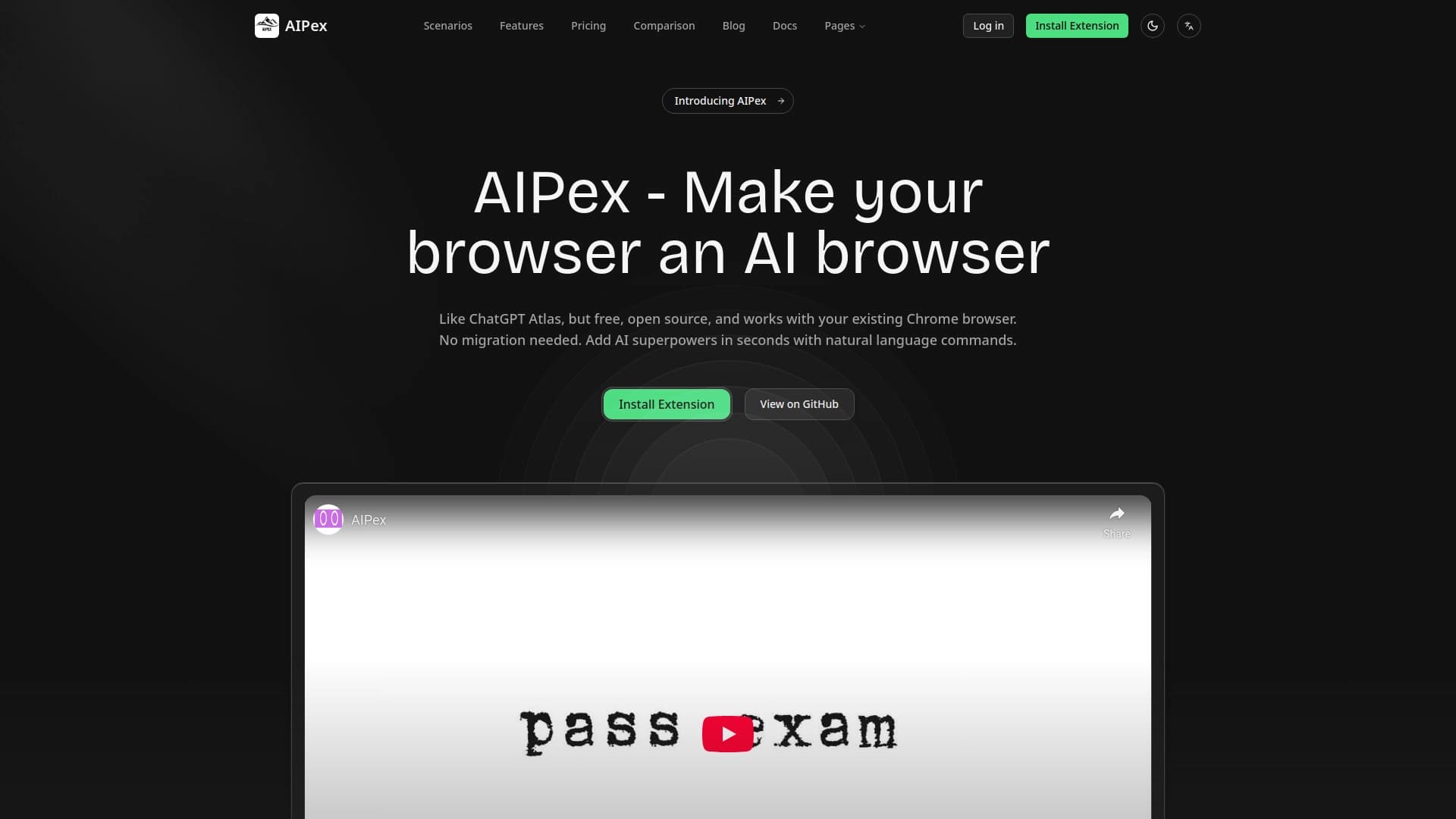

Chrome extension that helps manage tabs, history, and bookmarks with an AI assistant.


AI-based platform for creating and editing product images and videos for e-commerce sellers.