

Agent Network Protocol
Protocol for coordination and interaction between AI agents with support for decentralized authentication.
Overview
Agent Network Protocol — a decentralized protocol designed to organize interaction between autonomous AI agents. Its key task is to allow different intelligent systems to exchange data, coordinate actions, and jointly solve complex problems. Instead of each agent working in isolation, the protocol forms a unified network where agents can coordinate their efforts in real time.
At the core of the protocol is an approach where interaction is built on the principles of decentralization and security. The W3C DID (Decentralized Identifiers) standard is used to authenticate network participants, ensuring reliable verification of agent identities without the need for centralized management. This makes the protocol an attractive solution for systems where privacy and data protection are important.
Agent Network Protocol can be viewed as a kind of "communication language" and set of interaction rules for AI agents. It is not tied to a specific application or platform but provides a universal infrastructure that allows agents to be integrated into existing business processes and technical ecosystems.
Agent Network Protocol Characteristics
| Characteristic | Value |
|---|---|
| Tool Type | Protocol for AI agent coordination |
| Category | AI Platforms & Frameworks, General Purpose Assistants, Avatars & Personas, Web3 Technologies |
| Supported Platforms | Web, Linux, macOS, Windows |
| Date Added to Catalog | May 26, 2025 |
| Distribution Model | Not specified |
| Authentication | Decentralized, based on the W3C DID standard |
| Security | Encryption, end-to-end encryption of communication channels |
| User Geography | International reach across multiple regions |
Who is Agent Network Protocol for?
Developers and System Integrators
The protocol is aimed at technical specialists who build and deploy AI-based solutions. Developers can use it to combine multiple agents into a single ecosystem, automate routine processes, and organize data exchange between different systems.
AI Researchers and Data Analysts
For professionals working on collaborative machine learning projects, the protocol provides a way to organize interaction between models and agents that process large volumes of information. Data analysts can use it to synchronize data across various tools and platforms.
Businesses Adopting AI Technologies
Companies looking to automate processes with AI will find in the protocol a way to connect support chatbots, analytics systems, and other components. It suits organizations that need multiple intelligent agents to work in a coordinated and efficient manner.
How to Use Agent Network Protocol?
Step 1: Registration and Initial Setup
To get started, you will need to register on the platform where the protocol is available. After creating an account, you must configure AI agents by specifying the correct settings for each one — defining their roles, operating parameters, and available resources.
Step 2: Connection and Task Distribution
The next stage is connecting agents through the protocol and setting up interaction channels between them. Once the connection is established, you can distribute tasks and data among agents, determining who is responsible for what and which resources are involved.
Step 3: Monitoring and Optimization
After launching the system, it is important to monitor how agents interact with each other. The protocol allows you to track processes and make adjustments to optimize interaction, increase task execution speed, and use computing power more efficiently.
Key Functions of Agent Network Protocol
Interaction and Data Exchange
The protocol provides a constant communication channel between agents, allowing them to exchange information in real time. This creates the foundation for collaborative work and coordinated decision-making.
Collaborative Task Execution and Optimization
Agents can combine their efforts to achieve a common goal, breaking complex tasks into subtasks and distributing them among themselves. The protocol ensures that resources are used rationally and operation execution time is reduced.
Real-Time Updates
All changes in agent states, completed tasks, and new data are instantly synchronized across the network. This is especially important for dynamic systems where information becomes outdated quickly and requires immediate processing.
Advantages of Agent Network Protocol
Seamless Agent Integration
The protocol provides transparent connectivity between intelligent agents of different types and purposes. Thanks to this, tools created independently of each other can work effectively together without complex manual configuration.
Security and Decentralization
The use of the W3C DID standard and end-to-end encryption makes the network protected against unauthorized access and data tampering. The decentralized architecture eliminates a single point of failure and increases system resilience.
Open and Scalable Ecosystem
The protocol is based on recognized open standards, allowing the network to be expanded by adding new agents and increasing its capacity. It is designed for automatic organization and negotiation between agents without human intervention.
Disadvantages of Agent Network Protocol
Limited Public Information
Currently, there is a lack of open data about pricing and user interface usability. Potential users find it difficult to assess the financial side of the matter and how easy the tool is to learn.
Technical Barrier to Entry
Implementing and integrating the protocol requires deep technical knowledge in developing and configuring AI systems. This can be an obstacle for small businesses or teams without experienced engineers.
Lack of Practical Use Cases
Little information has been published about how the protocol works in real-world conditions, what specific business problems it solves, and how effective it is in customer support or data analysis scenarios. This makes it difficult to assess its practical value.
What Problems Does Agent Network Protocol Solve?
Automation of Repetitive Operations
The protocol allows routine tasks to be delegated to a group of agents that can work in parallel. This frees up human resources and speeds up the execution of standard operations.
Synchronization and Collaborative Projects
The tool ensures data consistency across different systems and databases, which is critical when working with distributed teams and disparate software products. It is also suitable for collaborative research projects in machine learning.
Customer Support Cooperation
Chatbots connected through the protocol can work cooperatively: distributing questions, sharing dialogue context, and escalating complex requests. This improves service quality and reduces the load on individual agents.
Agent Network Protocol Pricing
At present, official information about Agent Network Protocol's pricing policy is not available in open sources. It is unknown whether the project operates on a subscription model, is completely free, or offers individual plans for enterprise clients.
The absence of publicly announced prices may indicate that the product is at an early adoption or active development stage. Potential users are advised to contact the development team directly or wait for an official announcement of pricing plans to obtain accurate cost information.
Terms of Use for Agent Network Protocol
The main requirement for starting work with the protocol is mandatory registration on the platform. Exact user requirements, server technical specifications, or privacy policies are not disclosed in detail in available sources.
Likely, full use of the protocol will require creating an account, configuring agents, and ensuring they meet network requirements. Separate terms may apply for enterprise deployment, but their description is currently unavailable.
Availability of Agent Network Protocol
Platform Availability
The protocol is available for use on several major platforms: Web (via browser), as well as on Linux, macOS, and Windows operating systems. This allows agents to be connected from various devices and in different environments — both in the cloud and on local servers.
Geographic Reach
The protocol has a broad international user base, with significant adoption across multiple regions worldwide. This demonstrates its global appeal and relevance to diverse markets.
How Agent Network Protocol Differs from Alternatives
Comparison with Major Cloud Platforms
Giants such as OpenAI API, IBM Watson, Microsoft Azure AI, and Google Cloud AI offer powerful tools for building individual AI systems. However, they are largely centralized: data passes through a specific provider's servers, and agents rarely interact freely across these platforms.
Key Differences of the Protocol
Agent Network Protocol is built on the opposite principle — decentralization. Its main distinction is the use of the W3C DID standard for authentication and the creation of an open network in which agents can communicate regardless of the platform they are hosted on. While cloud AI platforms focus on providing APIs for a specific model, this protocol is oriented toward organizing horizontal communication between agents.
Additionally, the emphasis on collaborative work and task distribution among agents sets it apart from traditional solutions, where a single request is typically processed by one model. The protocol offers a more flexible infrastructure for those who need to create an ecosystem of many interacting AI agents rather than a single assistant.
Conclusion
Agent Network Protocol is a promising but still insufficiently documented development in the field of AI agent coordination. The project's key value lies in creating a decentralized, secure, and scalable network that allows various intelligent systems to work together as one. The use of advanced standards such as W3C DID and encryption makes it a reliable tool. However, at present, the protocol is aimed primarily at technical specialists and developers rather than end users. The lack of transparent information about pricing and real-world implementation cases may raise concerns among potential clients, but for companies willing to invest in building complex infrastructures of multiple AI agents, this tool could prove extremely useful.
Frequently asked questions
See also


AI platform for automating video editing, including face replacement, video translation, and avatar creation.
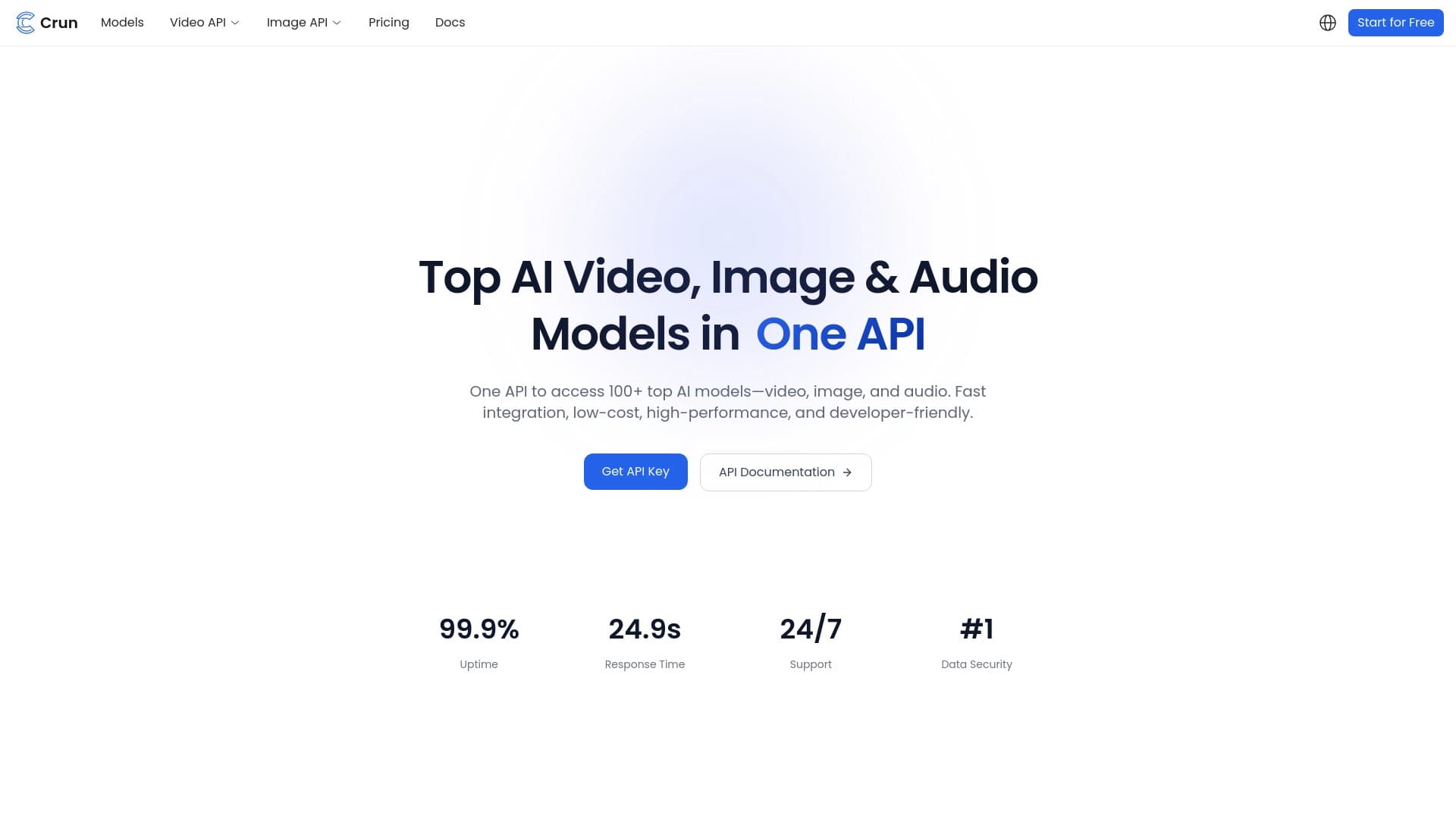
Unified API for accessing over 100 popular AI models for developers.

Platform for automated geospatial analysis of satellite imagery and geographic data.


AI-powered platform for generating legal documents, contract analysis, and obtaining legal information.
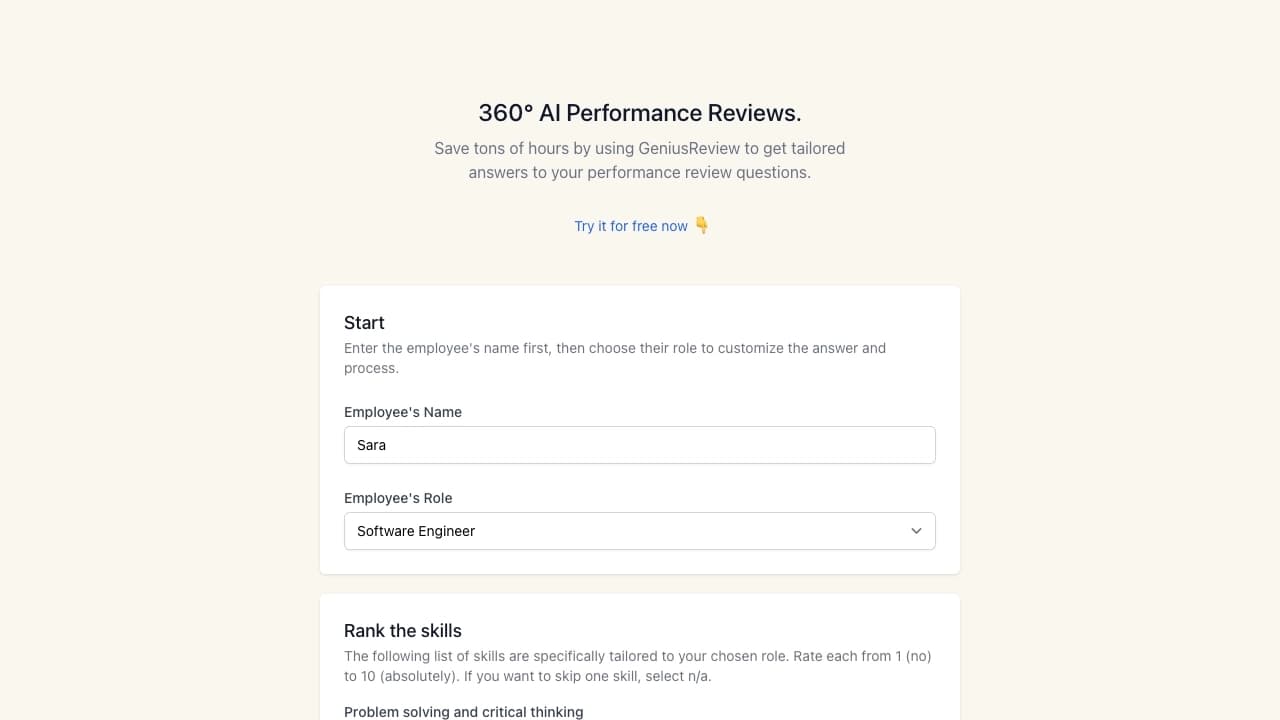

AI-powered service for creating 360-degree employee performance reviews with customizable evaluation parameters.
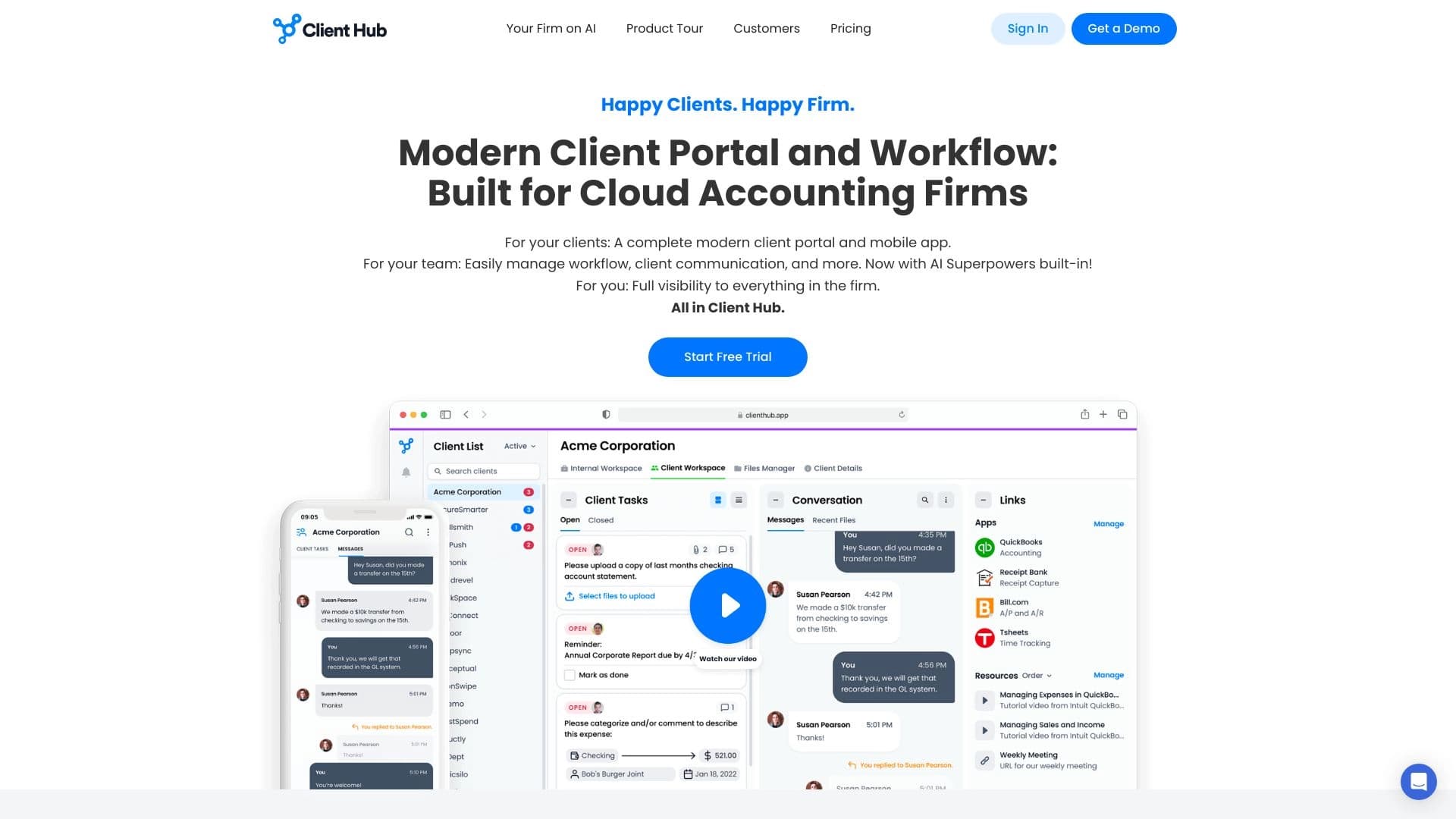
A platform for accountants that combines task management, file sharing, and client communication in a single interface.
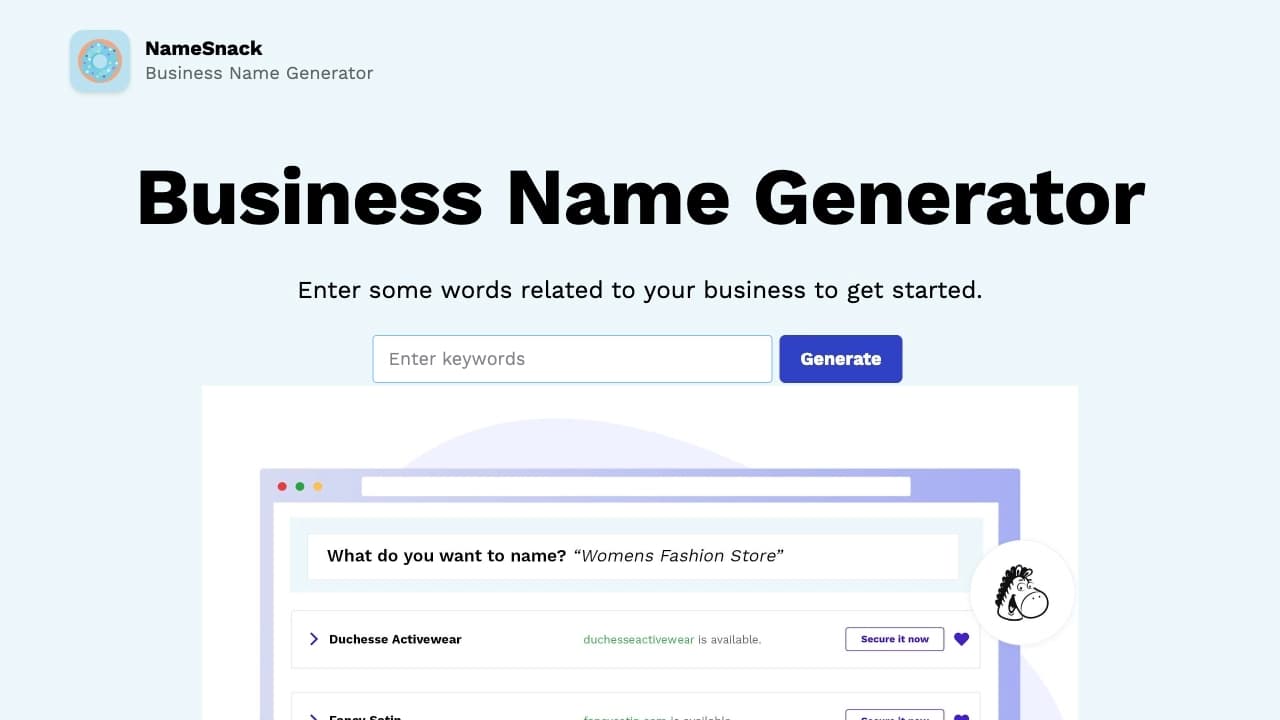
AI business name generator with domain availability checking.

AI chatbot for automating customer communication and lead qualification.