

AfterShoot
Desktop AI application for automatic photo selection and editing, built for professional photographers.
Ranked in
Overview
AfterShoot AI Description
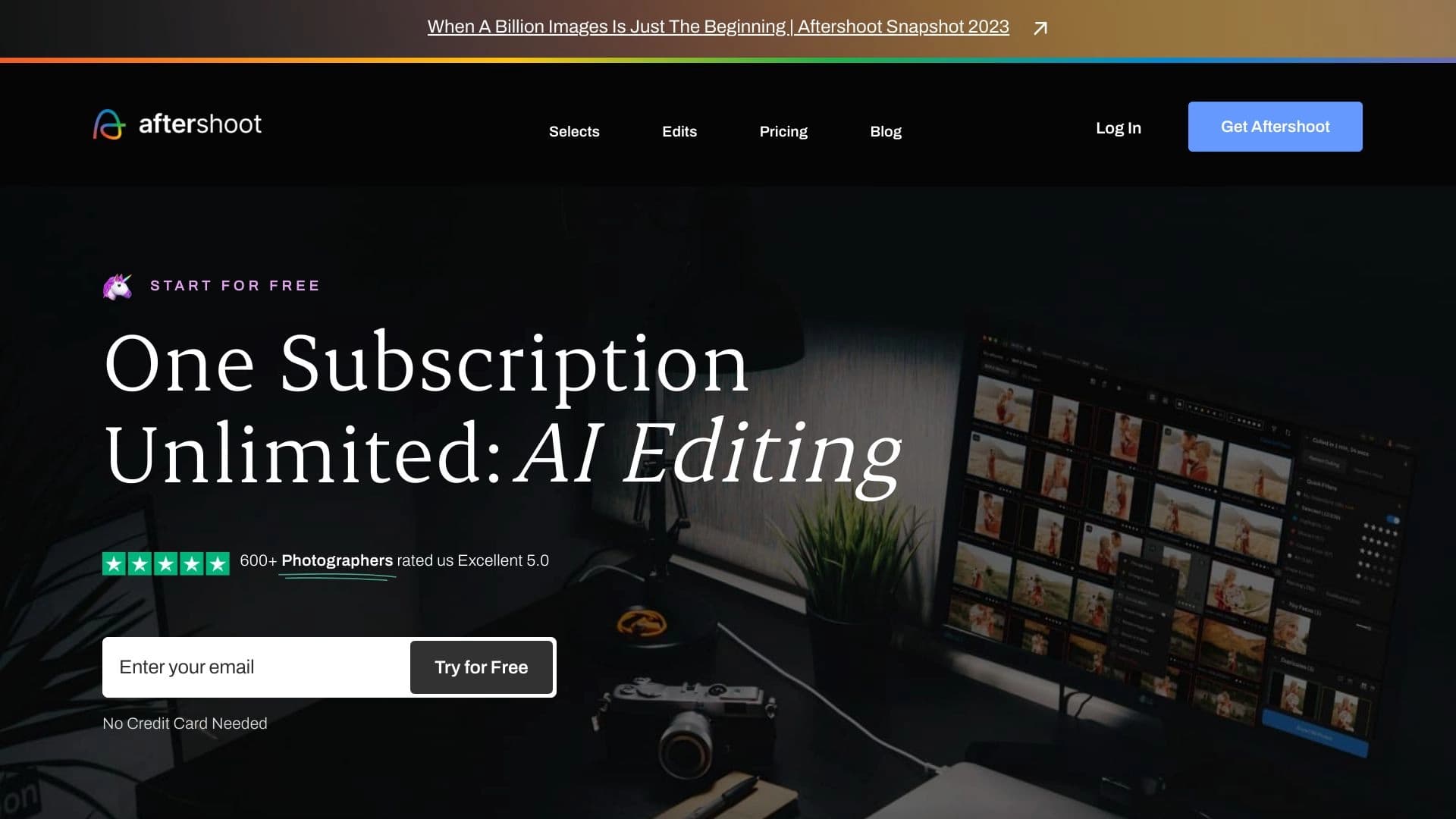
AfterShoot is a desktop application designed for professional photographers who want to speed up and simplify the routine stages of working with photos. The tool is based on artificial intelligence technologies and automates two key processes at once: selecting successful shots from a huge array of captured material and subsequent image editing. The program is installed directly on the user's computer (Windows or macOS) and operates in a fully local mode, requiring no constant internet connection.
The main feature of AfterShoot is its ability to self-learn. The neural network analyzes the photographer's actions, remembers which shots they consider successful and which they reject, notes the processing style, and over time begins to act as closely as possible in line with the user's individual preferences. At the same time, the number of processed images is not limited in any way, which is especially important when working with reportage and wedding shoots, where material volumes can reach thousands of frames.
The very name of the tool reflects its essence: it works "after the shoot," taking on all the tedious technical work that usually takes photographers hours of manual labor. It's a simple but functional solution for those who value their time and want to focus on the creative side rather than sifting through duplicates.
AfterShoot Specifications
| Specification | Value |
|---|---|
| Product type | Desktop application for photo selection and editing |
| Category | AI photo generators, AI tools for photographers |
| Platforms | Windows, macOS |
| Developer | Aftershoot Pvt Ltd |
| Interface language | Not specified on official pages |
| Free tier | Available (basic features) |
| Editorial rating | 8.6 out of 10 |
| User rating | 4.7 out of 5 |
| Date of editorial review | 06.10.2024 |
| Offline mode | Works without internet connection |
| Photo quantity limit | None |
| Online account required | No |
Who Is AfterShoot AI For?
AfterShoot is primarily aimed at photography professionals whose work involves processing large volumes of images. The program is designed as an assistant that relieves the specialist of the most labor-intensive part of the workflow.
Professional Photographers
This is the main target audience of the tool. While for studio photographers who shoot slowly and in a controlled manner, the benefit of the neural network may not be so obvious, for specialists working at a fast pace, AfterShoot becomes almost indispensable. Photographers shooting in the reportage genre know firsthand how much time sorting through thousands of frames after a single event takes — this is exactly the problem the program solves.
Wedding and Event Photographers
Wedding specialists and photographers working at events deserve special mention. In one day of such shooting, anywhere from 1,000 to 3,000 or more frames are captured. Manually going through each one means spending several hours on sorting. AfterShoot automatically groups similar shots, filters out duplicates, closed eyes, blurred images, and offers the photographer only truly successful takes. This allows delivering a finished project to clients much faster.
Photographers Processing Large Volumes of Images
Any specialist who regularly needs to process hundreds or thousands of images will find AfterShoot a useful tool. Portrait photographers working with a large flow of clients, product photographers maintaining catalogs, and even assistants responsible for initial material processing — all of them can reduce post-production time from several hours to tens of minutes.
How to Use AfterShoot AI?
Working with AfterShoot requires no special technical knowledge and takes just a few steps. The program is designed to integrate into a photographer's workflow as quickly as possible.
Step 1: Installing the Application
AfterShoot is a desktop application, so you need to start by downloading the installation file from the developer's official website. The program is available for two operating systems: Windows and macOS. Installation proceeds in the standard way, no different from installing any other application. An important detail: AfterShoot does not require creating an online account — just install the program and open it.
Step 2: Uploading Photos
Once the application is installed and launched, you need to upload the photos you'll be working with. These can be shots from a camera transferred to a hard drive or already located in a folder on your computer. AfterShoot processes images in batch mode, with no quantity limits. Uploading and initial analysis take minimal time — according to the developer, you can start working with sorted and edited images within a minute of uploading.
Step 3: Sorting and Editing with AI
After the photos are uploaded, artificial intelligence kicks in. The neural network performs two main tasks: automatically selecting the best shots from the overall array and editing the selected images. The user only needs to review the final result, make manual adjustments if necessary, and export the files to their favorite editor (e.g., Adobe Lightroom) for final post-processing.
Key AfterShoot Features
AfterShoot offers a set of features that cover a photographer's needs at the two most time-consuming stages — sorting and basic processing.
Automatic Shot Selection and Sorting
Artificial intelligence analyzes each image and evaluates it against key parameters: sharpness, exposure, composition, and whether people's eyes are closed in the photo. The neural network groups similar shots into series, determines the best take from each series, and discards unsuccessful variants. Over time, the algorithm adapts to the specific photographer's taste: if the user regularly marks certain types of shots as successful, the AI begins to prioritize exactly those frames.
AI Editing Trained on User Style
The second most important feature is automatic processing of selected images. The user can either choose one of the ready-made presets built into the program or train the neural network on their own processing style. To do this, you need to upload several examples of your work with already applied processing to AfterShoot — and the AI will study the color correction, toning, contrast, and other parameters, then apply a similar style to all new photos. The speed of such editing is many times faster than manually processing each frame.
AI Cropping
The utility can also automatically crop images. Based on composition analysis, the AI determines the most successful framing for each shot, corrects the horizon, and removes unnecessary details at the edges of the frame. This feature is especially useful when preparing photos for publication on social media, where the format may differ from the original.
Export to Other Editors
AfterShoot doesn't try to replace full-fledged editors like Lightroom or Capture One. The program integrates with the photographer's workflow and allows exporting selected and processed images directly to other applications for final finishing. This ensures a seamless transition between programs and doesn't disrupt the familiar work pipeline.
AfterShoot Advantages
AfterShoot has a number of strengths that make it attractive for professional use. And although the product also has weaknesses, the pros outweigh them for most users.
Significant Time Savings
The main advantage noted by all users is the enormous time savings. While manually sorting a thousand frames can take a photographer 3-5 hours, AfterShoot handles it in 10-15 minutes. The situation is similar with editing: basic processing of a series of 1,000 photos happens in the background while the photographer handles other tasks. As a result, the entire post-production process that used to take a full day now fits into 1-2 hours.
Adaptation to User Style
AfterShoot is a self-learning system. The longer a photographer uses the program, the more accurately it anticipates their preferences. The neural network remembers which shots the user keeps and which they delete, what processing style they prefer, and applies this knowledge automatically. This makes the tool a truly personal assistant that works in harmony with the owner's creative vision.
No Limits and Offline Operation
AfterShoot has no restrictions on the number of processed photos. You can upload two or ten thousand images — the program will process everything without any additional charge. At the same time, the application works entirely locally: files are never sent anywhere, no internet is required, which guarantees both the safety of the captured material, independence from connection quality, and work confidentiality.
Fixed Fee
AfterShoot's payment model is simple and transparent: the user pays a fixed subscription amount and gets all the service's capabilities without hidden fees or additional bonus options. No surprises in the form of limited processed photos or paid presets.
AfterShoot Disadvantages
Despite all its advantages, AfterShoot is not a universal solution for all situations. The tool has objective limitations worth considering before purchasing.
Limitations in Understanding Creative Nuances
Artificial intelligence, no matter how smart it is, cannot fully replace human taste. AfterShoot may fail to capture unique creative details, subtle processing tricks used by a particular photographer, or fail to appreciate a non-trivial compositional solution. There's a chance that a photo that's successful in terms of emotion or authorial intent will be automatically discarded by the algorithm because the AI formally considers it defective.
Risk of Losing Emotionally Significant Shots
The problem is especially acute when selecting reportage and wedding photos. The algorithm evaluates the technical quality of a frame, but the concept of "emotional value" is foreign to it. A shot where a person is out of focus but has a genuine smile on their face, saying more than any perfectly sharp takes, may be discarded by the machine. Therefore, the final decision always remains with the human, and fully trusting automatic selection without subsequent manual review is not recommended.
Dependence on Developer Updates
AfterShoot is software that entirely depends on the developer company. If updates are delayed, users may encounter bugs or, worse, incompatibility with new camera models that actively update their firmware and file formats. As long as Aftershoot Pvt Ltd supports its product, there are no problems, but a photographer should remember that their workflow is entirely tied to third-party software.
What Problems Does AfterShoot Solve?
AfterShoot's main purpose is to automate the two most tedious stages of a photographer's work, which require significant time but no creative effort.
Quickly Filtering Out Unsuccessful Shots
Even an experienced photographer produces technical defects: blurred frames, incorrect exposure, blinking, bad angles, excessive duplicates. When shooting digital, out of a thousand shots at a wedding, only 150-200 might be successful. Manually going through the remaining 800 is a pointless waste of time. AfterShoot automatically finds and filters out defects with a high degree of accuracy, leaving the photographer only potentially successful variants to review. This reduces sorting time by tens of times.
Reducing Post-Processing Time
The second stage the program automates is basic color correction, exposure adjustment, and cropping. AfterShoot performs these actions at the level of professional initial processing, adapting to the photographer's signature style. Instead of manually adjusting light and color on each of hundreds of photos, the user gets already processed material that only needs to be refined manually in their favorite editor if necessary.
Workflow Organization
In addition to the two main tasks, AfterShoot also solves an organizational problem: it builds a clear photo processing pipeline. Upload images — the AI sorts and edits them — export the finished results to an editor. This system disciplines the workflow, reduces the likelihood of missing successful shots, and allows the photographer to process significantly more orders without losing quality.
AfterShoot Pricing
AfterShoot offers several pricing plans that allow a photographer to choose the appropriate access level depending on their needs and scale of work.
Starter Plan (Free)
A free tier with basic features is available for getting acquainted with the tool. It lets you try the software in action, understand how the AI works with photos, and evaluate processing speed. The limitations of the free tier are not detailed on the official website, but this plan is generally insufficient for full-fledged professional work.
Professional Plan ($15/month)
The main paid plan, designed for solo photographers. For $15 per month, the user gets expanded program features, including full training of the neural network to their processing style, and unlimited projects. This is the most popular option for practicing specialists who want to offload routine work without significant financial costs.
Business Plan ($45/month)
For photo studios, teams, and organizations where several people handle processing, a business plan is available for $45 per month. It includes full access to all program features, team collaboration capabilities (multiple members can work with shared presets and styles), and priority technical support from the developer.
Terms of Use for AfterShoot
To start working with AfterShoot, a number of conditions related to technical equipment and the program's distribution model must be met.
Technical Requirements
AfterShoot is a local application that requires installation on a computer. Two operating systems are supported: Windows and macOS. For stable operation, a computer with sufficient resources for processing large arrays of photos is required, although minimum system requirements are not disclosed on the official website. The application processes media files locally, which implies sufficient RAM and disk space.
No Account Required
A fundamental difference between AfterShoot and many SaaS services is the absence of any need to create an online account. The program is downloaded, installed, and used completely autonomously. This not only simplifies getting started but also guarantees confidentiality: captured material is not uploaded to third-party servers but remains on the user's device.
Distribution Model
AfterShoot is a paid product. The developer offers a free tier with basic features for evaluation, but full-fledged professional work requires a paid subscription. Average plans: $15 per month for the professional tier and $45 per month for the business tier with team features. Monthly payment provides flexibility — the user can cancel the subscription during slow periods and resume it when starting the next big project.
AfterShoot Availability
Information about AfterShoot's availability in different countries and regions is limited. However, there are several important points that potential users should know.
Platforms
AfterShoot is available for two major desktop operating systems: Windows and macOS. The program has no web version — it's a full-fledged desktop application that runs locally on the user's computer. This approach ensures greater processing speed and data confidentiality but requires software installation.
Offline Mode
A key feature of AfterShoot is fully offline operation. The program does not require a constant internet connection to function. After installing the application, a photographer can sort and edit images anywhere: in the studio, at home, on the road, in areas with unstable connectivity. This is a significant advantage for those working in field conditions.
How AfterShoot Differs from Alternatives
There are several services on the market that solve similar problems, but AfterShoot occupies a unique niche thanks to its approach to work.
Focus on Local Processing
Most AI services for photo editing are cloud-based: the user uploads images to a server where they are processed, then downloads the result. AfterShoot, by contrast, works entirely locally — photos never leave the user's computer. This ensures maximum data transfer speed, protection of client confidentiality and images, and the ability to work without internet. Among alternatives such as Everypixel and Magic Eraser, this is rarely found.
Specialization in Shot Selection
Many AI-based tools only handle image editing: color correction, retouching, object removal. AfterShoot stands out by solving an equally important task — automatic sorting and selection of the best shots. The user-style training feature allows the program not just to edit but to actually understand the photographer's taste and anticipate their decisions. Such a deep level of personalization is absent in most direct competitors, including Benzin.io and SwaperFace.
Payment Model and Limits
AfterShoot offers a fixed subscription with no limit on the number of processed images. Many competitors operate on a pay-per-use model — charging for each processed image or based on usage. For a photographer processing thousands of images monthly, such a model quickly becomes expensive and unpredictable. AfterShoot solves this problem with a simple fixed monthly fee that provides unlimited access to all features.
Conclusion
AfterShoot is a professional solution for photographers looking to optimize their work. The program effectively handles two main tasks: automatically selecting successful shots from large arrays of images and quickly editing them in line with the user's style. Local offline operation, no limits on photo quantity, and the neural network's adaptation to a specific photographer's taste make AfterShoot a worthy investment for wedding and event specialists and anyone whose work involves processing large volumes of images. However, it's important to remember that AI cannot capture subtle emotional and creative nuances, so final human oversight remains an essential condition for achieving truly high-quality results.
Frequently asked questions
See also
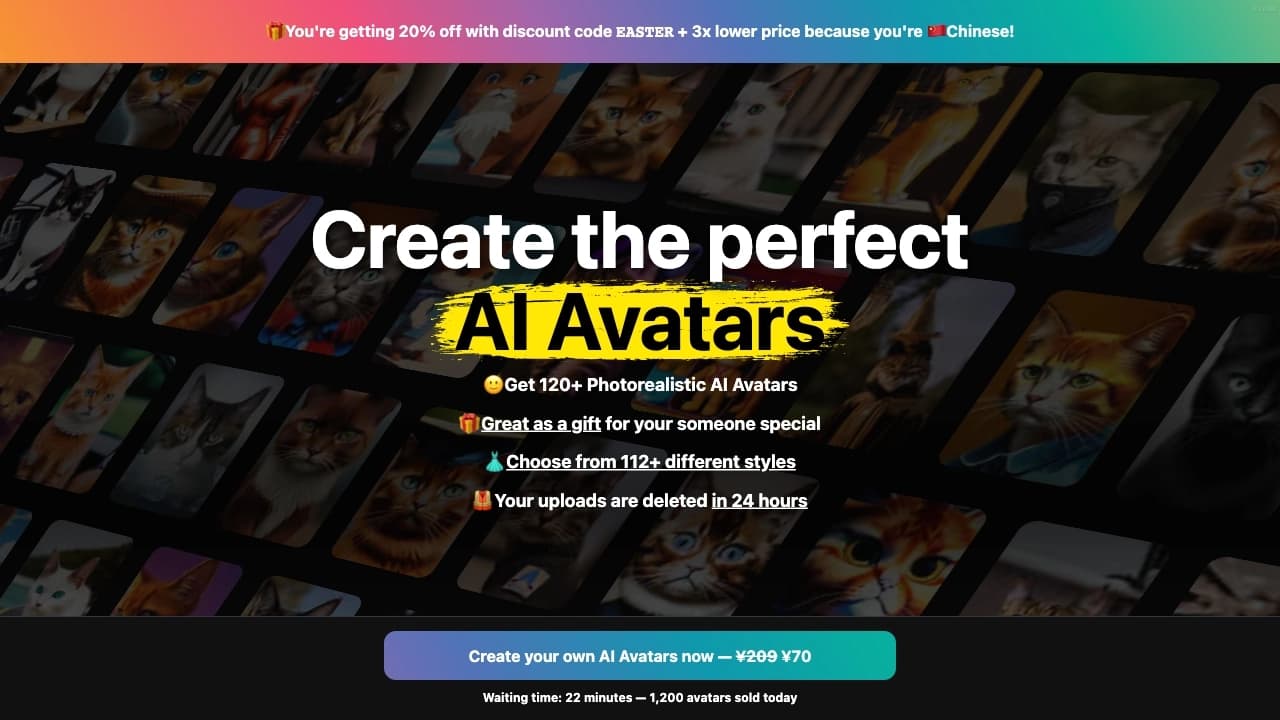
Service for creating personalized avatars and photo shoots using AI based on uploaded selfies.
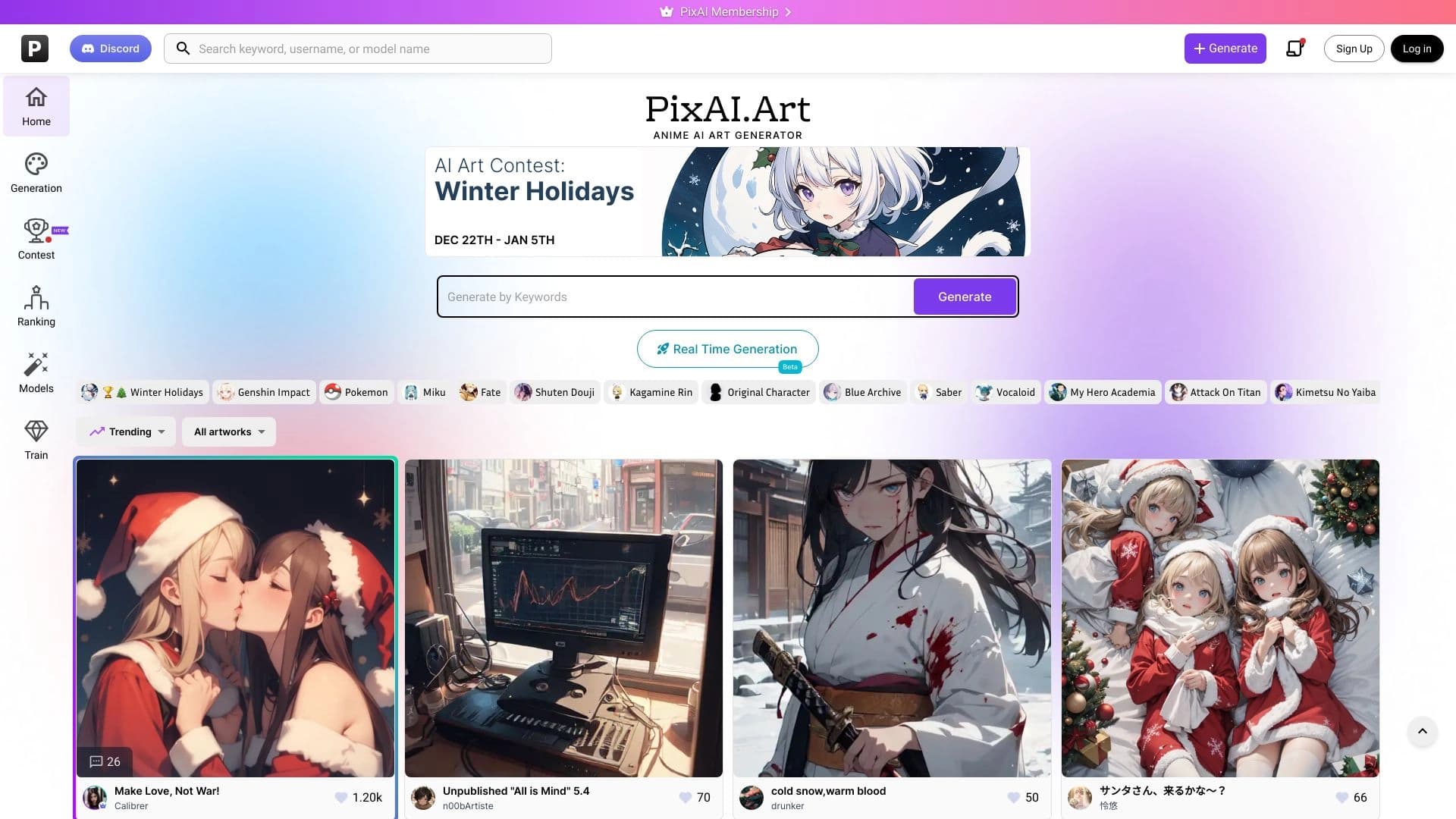

Web service for generating anime images from text prompts using AI.
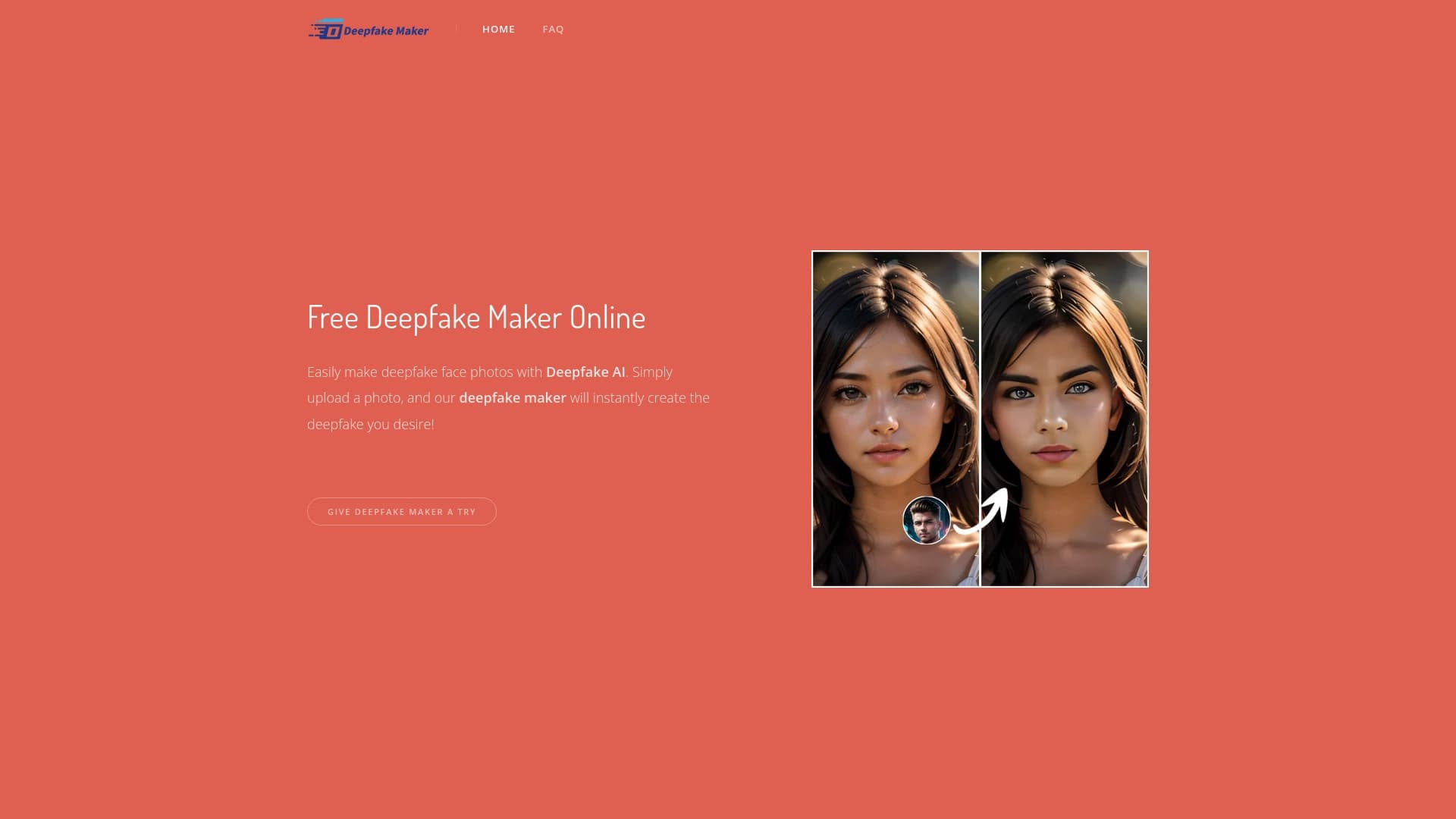

Online AI tool for creating deepfakes and editing images.


AI-powered virtual clothing try-on service.

An open platform for generating images and other visual content from text descriptions using AI.

Mobile app for photo editing and creating stylized avatars using AI.
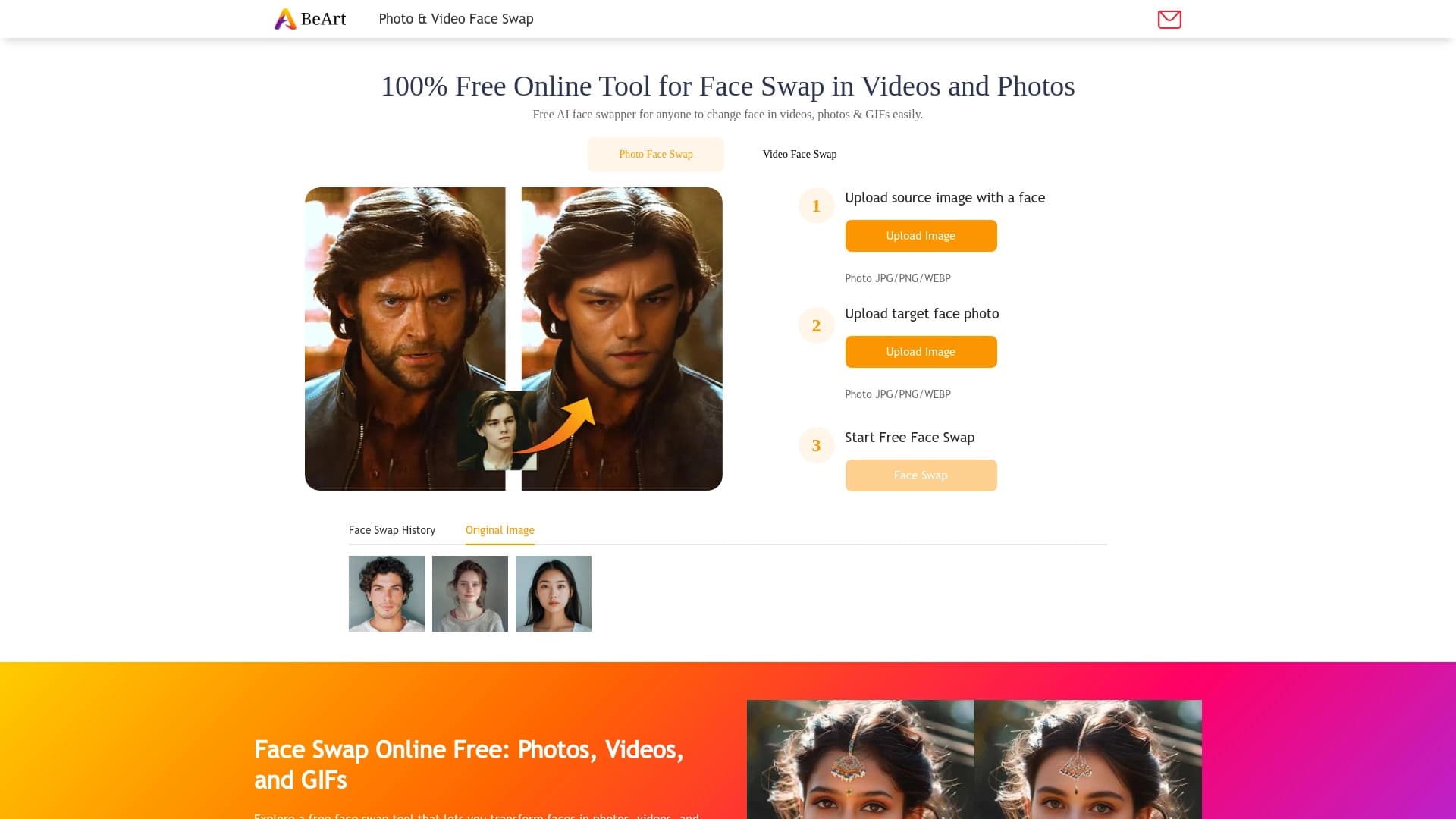
Online tool for swapping faces in photos, videos, and GIFs without registration or watermarks.

AI-powered platform for generating and editing images and videos.