

Aesthetic intelligence
AI platform for personalizing online shopping that creates digital style twins of users based on a visual quiz.
Overview
Aesthetic intelligence neural network description
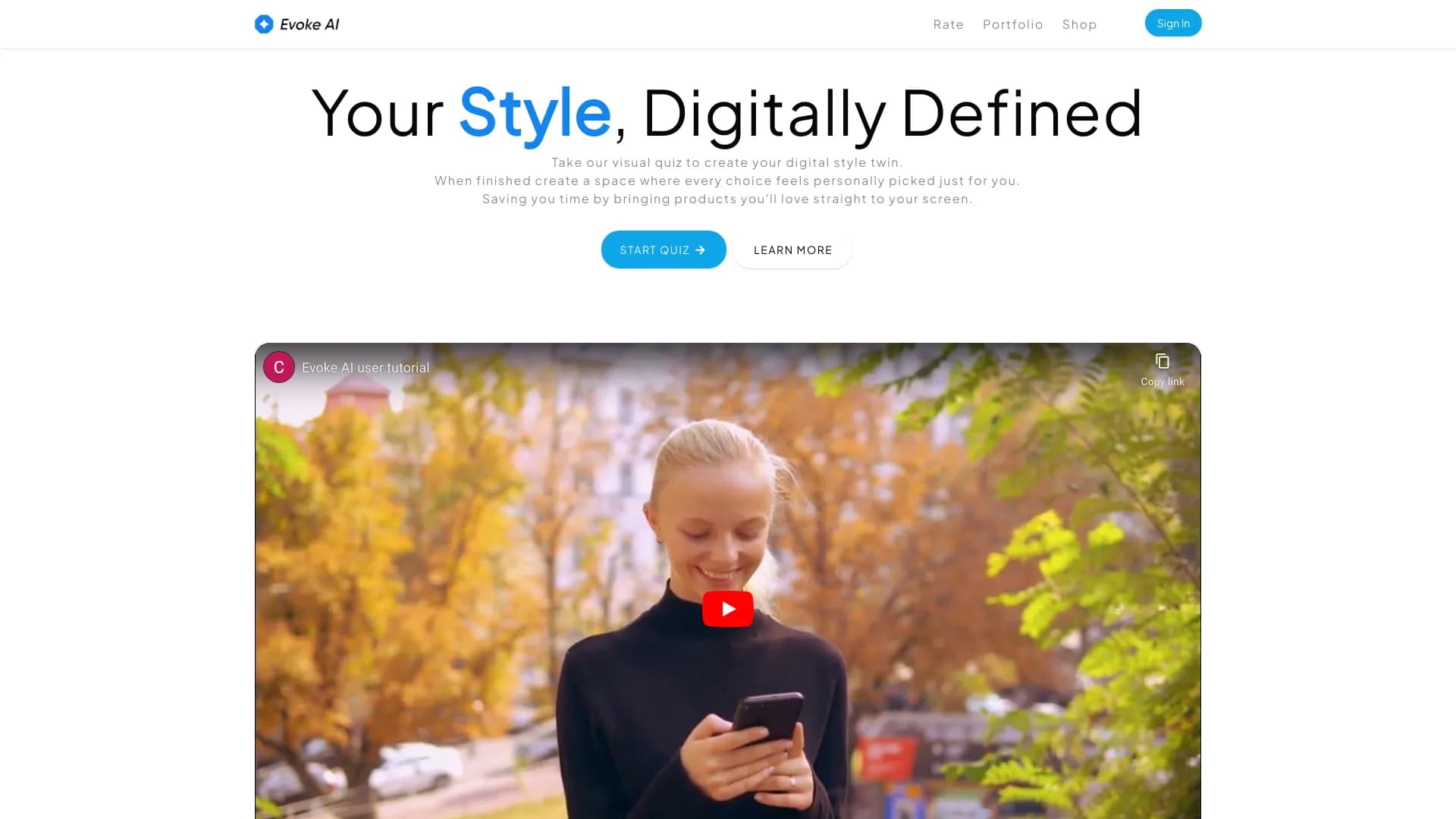
Aesthetic intelligence (also known as Evoke AI) is an AI platform designed to personalize online shopping. Instead of the standard approach where shoppers spend hours browsing hundreds of products to find the right option, this neural network offers a fundamentally different scheme. It analyzes the user's visual preferences through a short interactive quiz and, based on this, creates their digital style twin. This virtual profile is then used to select products that best match the individual's taste.
The platform is developed by Evoke A.I. Corp. The system acts as an intelligent layer on top of an online store's catalog: it doesn't produce goods itself but helps sellers show each customer exactly what interests them. This way, shoppers save time searching, while sellers benefit from increased engagement and a higher number of repeat purchases.
A distinctive feature of Evoke AI is its focus on the visual component. The neural network draws conclusions about a user's taste not from dry questionnaires and text descriptions, but through analysis of images and visual cues that the person selects during the test. This allows for a more accurate and personal preference profile.
Aesthetic intelligence characteristics
| Characteristic | Value |
|---|---|
| Type | Neural network for online shopping personalization |
| Categories | Marketing strategy generators, Digital marketing services, Lead generation tools, Ad creation tools, Ad generators, Data analysis tools |
| Developer | Evoke A.I. Corp |
| Platform | Website (Web) |
| Free tier available | Yes (basic access to data analysis features) |
| Monthly visits | 388.9K |
| Rating | 4.5 (user), 9.0/10 (NeuroFolder editorial) |
Who is Aesthetic intelligence suitable for?
Online store shoppers
First and foremost, the service is designed for people who shop online and are tired of wasting time browsing similar or unsuitable items. Aesthetic intelligence builds a personalized recommendation feed that matches the user's current taste. This helps filter out obviously uninteresting items and find what you truly like faster. This is especially relevant for those who struggle to articulate their own style in words: it's enough to simply select appealing images in the quiz.
Sellers and marketplace owners
The platform will be useful for sellers and online store owners looking to boost conversion and customer loyalty. Instead of showing all visitors a standard catalog, a store can use customers' digital twins to display a unique product selection to each person. This increases the likelihood of orders and reduces returns due to unmet expectations. Essentially, the tool automates the work of a personal stylist, making it accessible to the mass market.
How to use Aesthetic intelligence?
Taking the visual quiz
Working with the service begins with the user interacting with an interactive visual quiz. They are asked to choose from several image options they like. These can be photos of clothing, interiors, objects, or any other visual imagery. Based on these clicks, the system collects initial preference data and launches analysis algorithms. There's no need to fill out complex questionnaires about lifestyle — simply showing the system your tastes is enough.
Getting personalized recommendations
Once the quiz is completed, the neural network creates a digital profile of the user (their "style twin") and begins analyzing the product catalog. In an online store where the tool is installed, the shopper is shown items the system deems relevant to this profile. Instead of a general feed of all offers, the user sees a selection "made for them," which speeds up purchase decisions many times over. The neural network takes on the role of a digital stylist, offering only suitable options.
Key features of Aesthetic intelligence
Creating a digital style twin
The platform's key feature is generating a unique digital profile of the user. This isn't just a set of purchase data, but a deep model of visual preferences built on analyzing quiz choices. This "twin" becomes a personal key for product discovery; it updates and can reflect a person's current mood and aesthetic needs.
Image analysis and visual preference recognition
The system can analyze images and identify visual patterns: color combinations, shapes, styling, and overall mood. This analysis forms the basis of recommendations. The neural network doesn't just match tags — it tries to understand an object's aesthetic appeal for a specific user, allowing it to find non-obvious yet accurate matches.
Online shopping personalization and similar product matching
Based on the digital twin, Evoke AI selects relevant products from the store's catalog. The system can find items similar to those the user already liked, as well as suggest new pieces highly likely to match their taste. This turns the standard shopping process into a personalized recommendation feed, saving the shopper time and effort.
Advantages of Aesthetic intelligence
Ultra-precise personalization
The main advantage is the ability to create an accurate digital image of the shopper and show only relevant products. The system understands a person's visual taste and delivers recommendations based on appearance analysis rather than abstract data. This sets the platform apart from typical recommendation services, which often suffer from inaccuracies.
Increased engagement and privacy
Thanks to accurate selections, shoppers are more likely to return to the store and make repeat purchases. The personalized approach boosts customer satisfaction and strengthens loyalty. Additionally, one of the platform's key advantages is data privacy — preference information is not disclosed and is used solely to improve recommendations.
Saving time and resources
The tool relieves users of the need to browse through large numbers of uninteresting items. For sellers, this means automating the styling process and easy integration into an existing catalog. The entire process — from quiz to selection — happens automatically, saving resources for both sides.
Disadvantages of Aesthetic intelligence
Dependence on data quality
The system's effectiveness directly depends on the quality of the input information. If a user provides insufficient data or picks random images, product matching becomes approximate or even random. Errors in data collection, such as an incorrectly uploaded photo, can also lead to incorrect recommendations.
Imperfect algorithms
The neural network doesn't always capture the individuality of a style, especially if the user's tastes change quickly or are unconventional. Algorithms may fail to track a sudden shift in preferences and continue showing products based on an outdated model. This limitation may require the user to manually adjust their search.
Security considerations
While the platform claims to maintain confidentiality, sharing data about one's visual preferences may raise security concerns for some users.
What tasks does Aesthetic intelligence solve?
Personalizing product selection
The main task is automatically selecting visually suitable products for each individual shopper. The system eliminates the need to manually browse hundreds of catalog pages and offers only items the user is highly likely to enjoy. This directly impacts the speed and quality of choice.
Improving recommendation accuracy and loyalty
The platform aims to enhance user experience through maximally accurate recommendations based on individual taste. Solving this task leads to higher customer satisfaction and, consequently, loyalty to the store. The service also allows creating digital avatars that can be used to visually demonstrate to the shopper how a product will look on them.
Aesthetic intelligence pricing
Currently, the service offers three pricing plans. The simplest — the Free plan — provides access to basic data analysis features at no cost.
For users who need more capabilities, there's a Standard plan with expanded personalization options and developer support.
For maximum efficiency and comfort, there's a Premium plan that unlocks unlimited access to all platform features and provides priority support. Detailed breakdowns of each plan's features and limitations are not disclosed, but the basic tiering by price and service scope is clear.
Terms of use for Aesthetic intelligence
The platform operates on a web-based model, meaning no special software installation is required. Users interact with the service through the website. There's no information about dedicated mobile or desktop applications; the primary focus is on the web interface.
A key condition of use is completing the visual quiz, which serves as the data source for building the digital profile. The developer company guarantees the confidentiality of collected information, stated as one of the service's core principles.
Aesthetic intelligence availability
The Aesthetic intelligence service is available through the developer's official website. Based on monthly visit data — 388.9K visits — the platform enjoys significant popularity.
How Aesthetic intelligence differs from alternatives
The market features a range of tools for creating digital avatars and personalized recommendations. Among Aesthetic intelligence's alternatives are services like Shotix, Kupid AI, Doyoula, Pingvin AI, New Profile Pic, StyleShot AI, and Fabula AI, as well as larger general-purpose AI platforms (ChatGPT, Jasper AI). Aesthetic intelligence (Evoke AI) differs from them in its focus on visual aesthetics and online shopping.
While many alternatives, such as New Profile Pic or Kupid AI, concentrate solely on generating avatars for social networks, Evoke AI uses a visual quiz to create a style twin aimed at improving product recommendations in e-commerce. This makes it not just an entertainment generator, but a tool for solving marketing and commercial tasks focused on increasing sales accuracy. It's also worth noting that Aesthetic intelligence combines data analysis and recommendation generation functions, setting it apart from narrowly specialized services.
Conclusion
Evoke AI (Aesthetic intelligence) is a targeted tool for personalizing online shopping that uses users' visual preferences to create a digital style twin. The platform offers a fresh take on recommendation systems, emphasizing the aesthetic component and individual taste. The service can significantly boost shopper engagement and product matching accuracy while reducing search time; however, its effectiveness directly depends on the quality of input data. Given the free tier and the ability to test the functionality, it's a promising solution for sellers and shoppers willing to trust their purchase selection to artificial intelligence.
Pricing
Frequently asked questions
See also
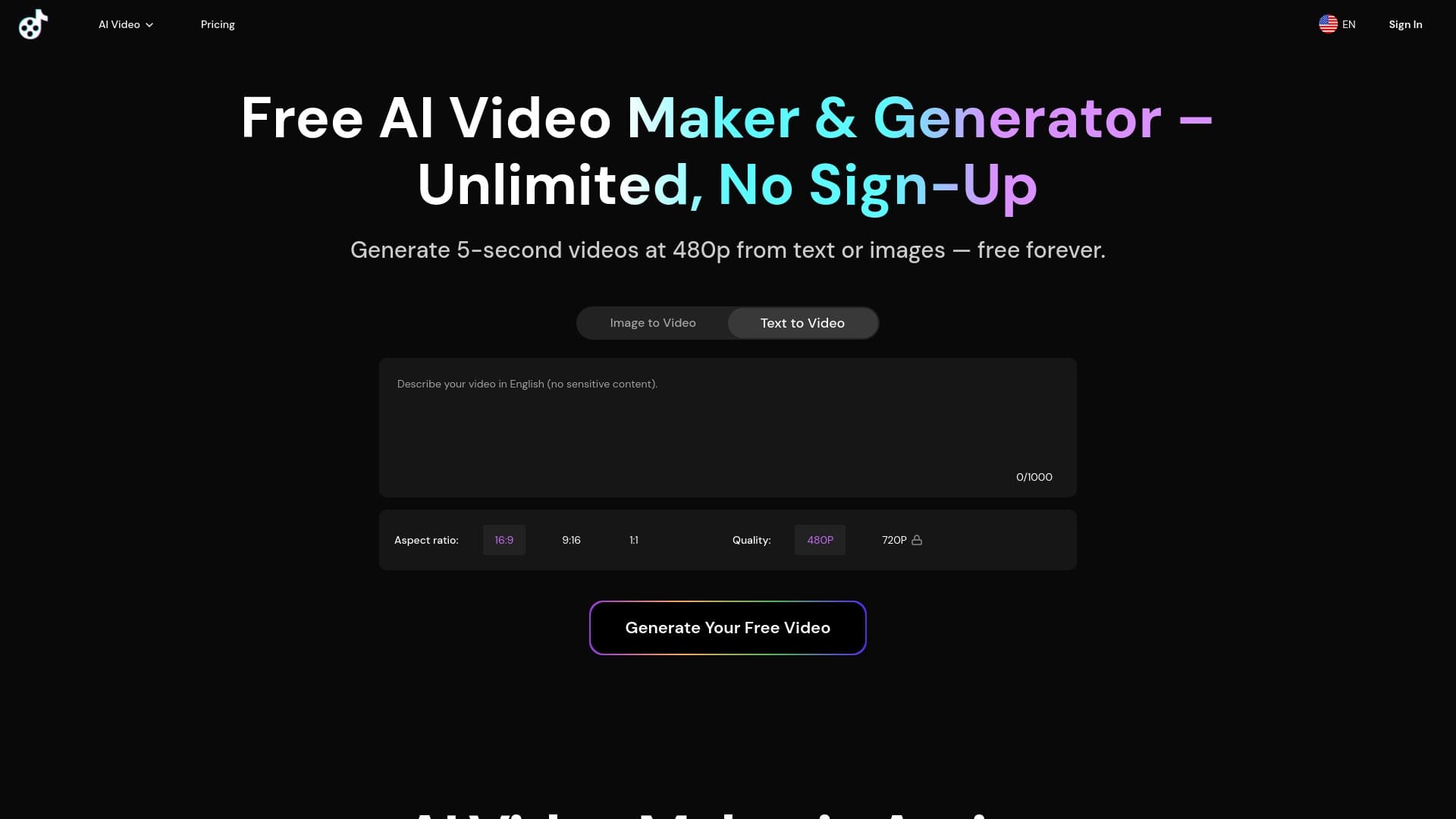
Generate advertising UGC videos with virtual actors without real filming.
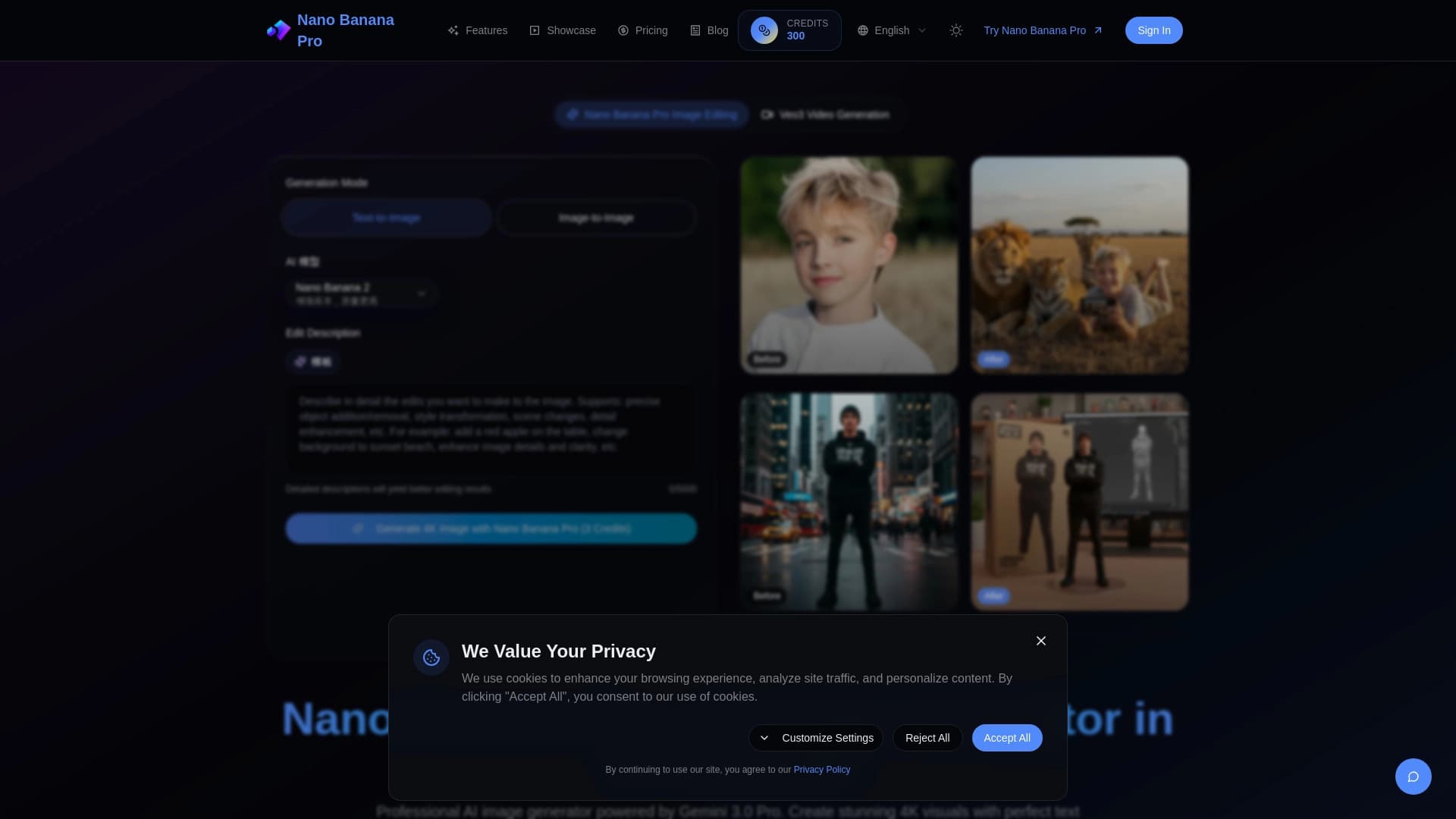

Google's flagship model (Gemini 3 Pro Image) for generating and editing high-resolution images with precise adherence to prompts.


AI-powered platform for automated API security testing and vulnerability discovery in code and cloud infrastructure.
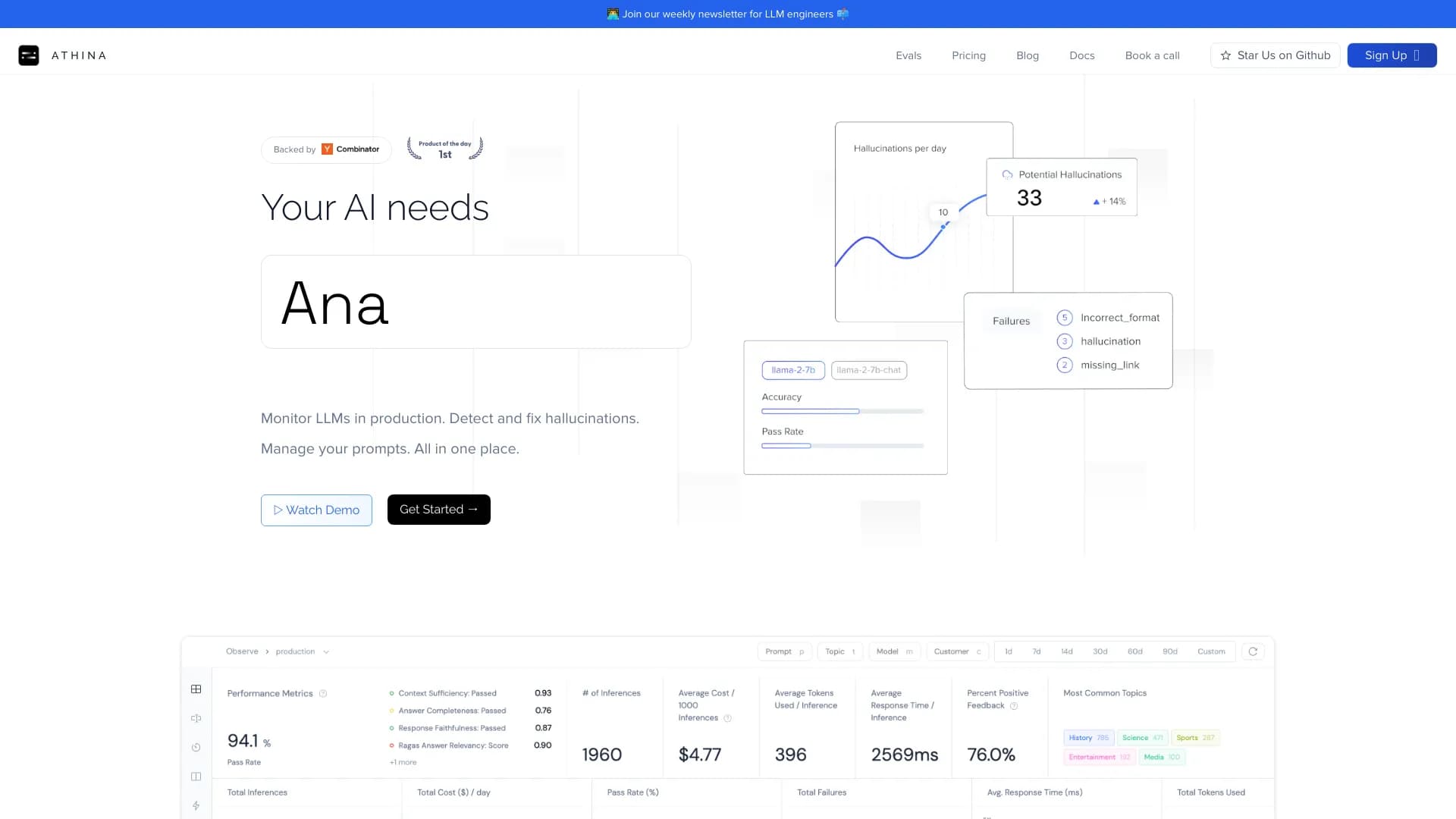

Platform for developing, monitoring, and evaluating AI applications based on large language models.
Catalog of neural networks and online tools for generating images, animations, and videos.

AI agent for automating customer communications and support.

AI-based platform for creating and editing product images and videos for e-commerce sellers.

AI platform for analyzing financial data and supporting investment decisions.