
Admentary
A platform for seamless ad integration into digital content.
Overview
Admentary is a platform that allows integrating advertising into digital content with minimal interference with the user experience. The main goal of the service is to make advertising as natural and relevant as possible so that it doesn't annoy the audience or reduce engagement.
How the platform works
The tool functions as an intermediary layer between content creators and advertisers. Instead of classic banners or interrupting video inserts, Admentary offers a mechanism for "seamless" embedding of advertising materials into the content structure. This can be visual integration or contextual substitution that doesn't disrupt the integrity of how the material is perceived.
Key feature of the approach
The main difference in Admentary's approach lies in its focus on the user. The service doesn't sacrifice reading or viewing comfort for the sake of impressions but instead tries to strike a balance between monetization and the quality of information perception. This approach helps maintain audience loyalty, which is more profitable in the long run than one-off clicks on intrusive ads.
Admentary Characteristics
| Characteristic | Value |
|---|---|
| Purpose | Integration of ads into digital content |
| Distribution model | Not specified (no public data available) |
| Target audience | Content creators, publishers, marketers |
| Main task | Seamless ad embedding without losing engagement |
| Content type | Various types of digital content (text, video, images) |
| Working mechanism | Automated ad placement within the content structure |
| Interface language | Not specified (no available data) |
Who is the Admentary neural network suitable for?
Admentary is designed for three key groups of professionals working with digital content and advertising.
Content creators and bloggers
For authors who earn from their content, finding a balance between income and the comfort of viewers or readers is critical. Admentary allows embedding advertising offers so they look like part of the narrative rather than an annoying addition. This is especially important for those building long-term relationships with their audience.
Publishing platforms
Websites and media resources dealing with large volumes of materials often face the problem of "banner blindness," when users stop noticing ad blocks. Admentary helps avoid this by embedding ads directly into the content — for example, into visual elements of an article or pauses in videos.
Marketers and advertisers
For promotion specialists, what matters is not just delivering a message but its actual perception. The tools offered by the platform allow creating ad campaigns that integrate into third-party content without conflicting with its style and mood. This increases the chances that users won't just see the ad but will consciously perceive it.
How to use the Admentary neural network?
A precise step-by-step guide for working with the platform is not available in the public domain, but the logic of use is typical for similar integration services.
Connection and setup
The process begins with connecting a content platform or uploading materials to the system. Next, you'll need to configure integration parameters: select the types of ad blocks, set the frequency of appearance, and determine placement locations. The service's automation likely selects optimal embedding options on its own based on content structure analysis.
Testing and optimization
After the first campaign launch, it's recommended to analyze audience behavior: whether session duration has decreased or whether the bounce rate has increased. Based on this data, you can adjust display scenarios to achieve a balance between monetization and user experience. The platform provides analytical data for making such decisions.
Key Features of Admentary
Natural ad integration
The main feature is embedding ads without visual or semantic disruption of the content. The system allows creating placement formats that the audience perceives as part of the material rather than a separate advertising message.
Monetization without reducing engagement
The platform aims to solve the classic problem: how to earn revenue from ads without losing user activity. Instead of interrupting user interaction with content, Admentary tries to integrate into that interaction.
Flexibility for different formats
The platform's tools are designed to work with various types of digital content — from text articles to videos and visual materials. This makes the solution universal for publishers with different publication formats.
Improved user experience
By reducing the annoying factor of advertising, the platform indirectly contributes to increased user loyalty. Visitors are less likely to leave the resource due to intrusive ads, which preserves traffic and improves behavioral metrics.
Advantages of Admentary
Preserving content integrity
Among the key advantages is the ability to publish ads that don't disrupt the logic and structure of the main material. This favorably distinguishes the platform from services working with classic insert formats.
Focus on long-term strategy
Admentary is oriented not toward one-time profit extraction but toward maintaining sustainable income while preserving audience loyalty. This aligns with the interests of content creators planning to develop their projects in the long term.
Automation of placement processes
Although detailed technical specifics are unavailable, the very concept of seamless integration implies the presence of automatic algorithms. This relieves content owners of the manual work of constantly finding places for ad placement.
Broad applicability
The platform is focused on embedding ads into various types of content, making it useful for a wide range of professionals — from independent creators to large publishing structures.
Disadvantages of Admentary
Lack of public information
Since data on the technical implementation and operating conditions of the platform is limited, it's difficult to assess its performance, speed, and reliability before direct testing. Potential users will need to conduct their own experiments.
Pricing uncertainty
The absence of public information about service costs makes budget planning difficult. Possible hidden tariffs or commissions could be an unpleasant surprise for small publishers.
Integration limitations
It's unknown how easily Admentary connects to existing CMSs, video players, or other content management systems. There may be compatibility limitations with certain platforms or formats.
Dependence on algorithm quality
The effectiveness of seamless integration directly depends on how intelligent the ad selection and placement algorithm is. If the system makes mistakes in identifying suitable locations, the ads can still be perceived as intrusive.
What problems does Admentary solve?
Admentary addresses the need to monetize digital projects without degrading user metrics. The main tasks the service solves:
- Reducing audience churn: because ads are perceived as part of the content, users are less likely to leave the platform out of irritation.
- Increasing ad campaign effectiveness: ads organically embedded in content are usually perceived better than isolated banners.
- Automating the search for integration points: content owners are relieved of the need to manually figure out how to place ads without harming the material.
- Preserving brand reputation: if ads look natural, the advertiser isn't associated with intrusive spam, which positively affects brand perception.
Admentary Pricing
Currently, there is no information available in public sources about the tariffs and pricing of the Admentary platform. It's unknown whether the service uses fixed subscriptions, a commission on ad revenue, or individual offers for projects of different scales. Potential clients should plan to request a commercial proposal directly from company representatives or rely on a demo version to evaluate the capabilities. There is no public data on service costs.
Terms of Use for Admentary
Detailed terms of service are not disclosed in available sources. There is no information about minimum content volume requirements, contract terms, or rules for interacting with advertisers. It's also unclear whether there are restrictions on content types (for example, a ban on placing ads in children's materials or certain thematic sections). To obtain complete information, you need to contact the platform's support service or the vendor directly.
Admentary Availability
Information about the geographic availability of the service is absent from available data. It's unknown whether the platform operates globally, supports a Russian-language interface, or is adapted for the CIS market. Given the lack of regional information, it can be assumed that the service is designed for a global audience. However, to verify availability in a specific country, an official inquiry to the developers or an analysis of the product's website would be required.
How Admentary differs from alternatives
The main difference between Admentary and competing platforms lies in its vector approach to integration. Most services offer either classic insert blocks or programmatic ad buying. Admentary focuses specifically on semantic and visual "seamlessness."
Difference No. 1: Embedding instead of displaying
While classic ad networks work on the principle of "show a block with an ad," Admentary works with embedding ads into the content array itself. Technically, this is a more complex task requiring semantic analysis, but it's precisely this that allows avoiding the effect of a "banner everyone ignores."
Difference No. 2: Focus on experience quality
Many alternatives optimize impressions by increasing the amount of advertising for revenue. Admentary, judging by its description, prioritizes maintaining audience engagement. This makes the platform close in spirit to native advertising, but with a more automated and content-dependent mechanism.
Conclusion
Admentary represents a promising solution for integrating advertising into digital content with a focus on preserving the user experience. The platform is suitable for publishers, marketers, and creators who need to avoid annoying their audience and maintain high-quality perception of materials. The core value of the service is the ability to seamlessly embed advertising offers into the content structure, helping to sustain both monetization and engagement simultaneously. At the same time, potential users should consider the lack of public information about pricing, technical limitations, and access conditions, so before deciding on implementation, it's worth studying the product in more detail through official channels or a trial period.
Frequently asked questions
See also

AI assistant for business that helps manage tasks and automate routine through dialogue.


Averi is a marketing platform that brings campaign planning, content creation, and analytics together in a single interface.
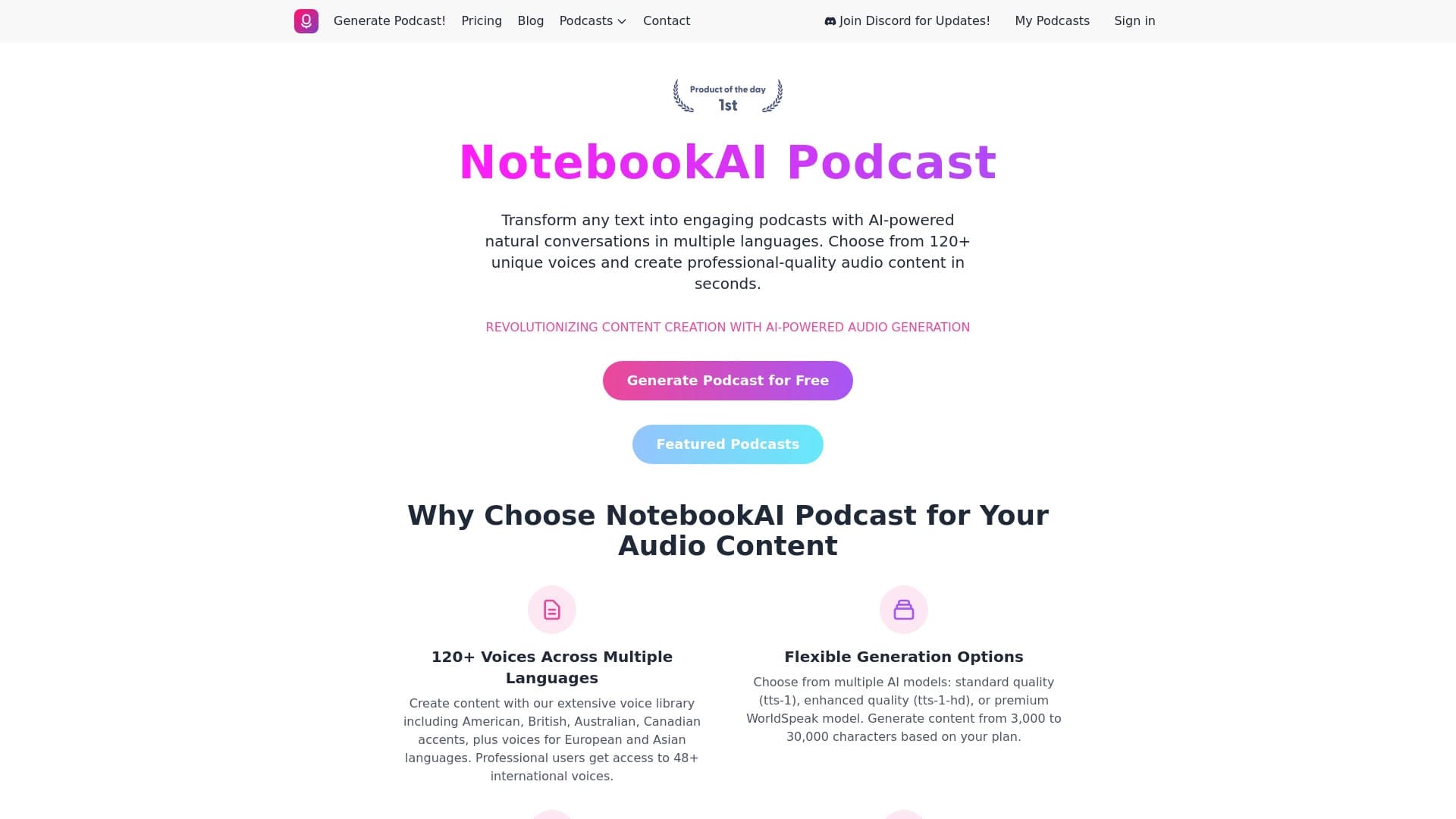

A service for turning text into podcasts with naturally sounding voices in different languages.


A web service that automates job search using artificial intelligence.


AI platform for fast website creation and small business process management.
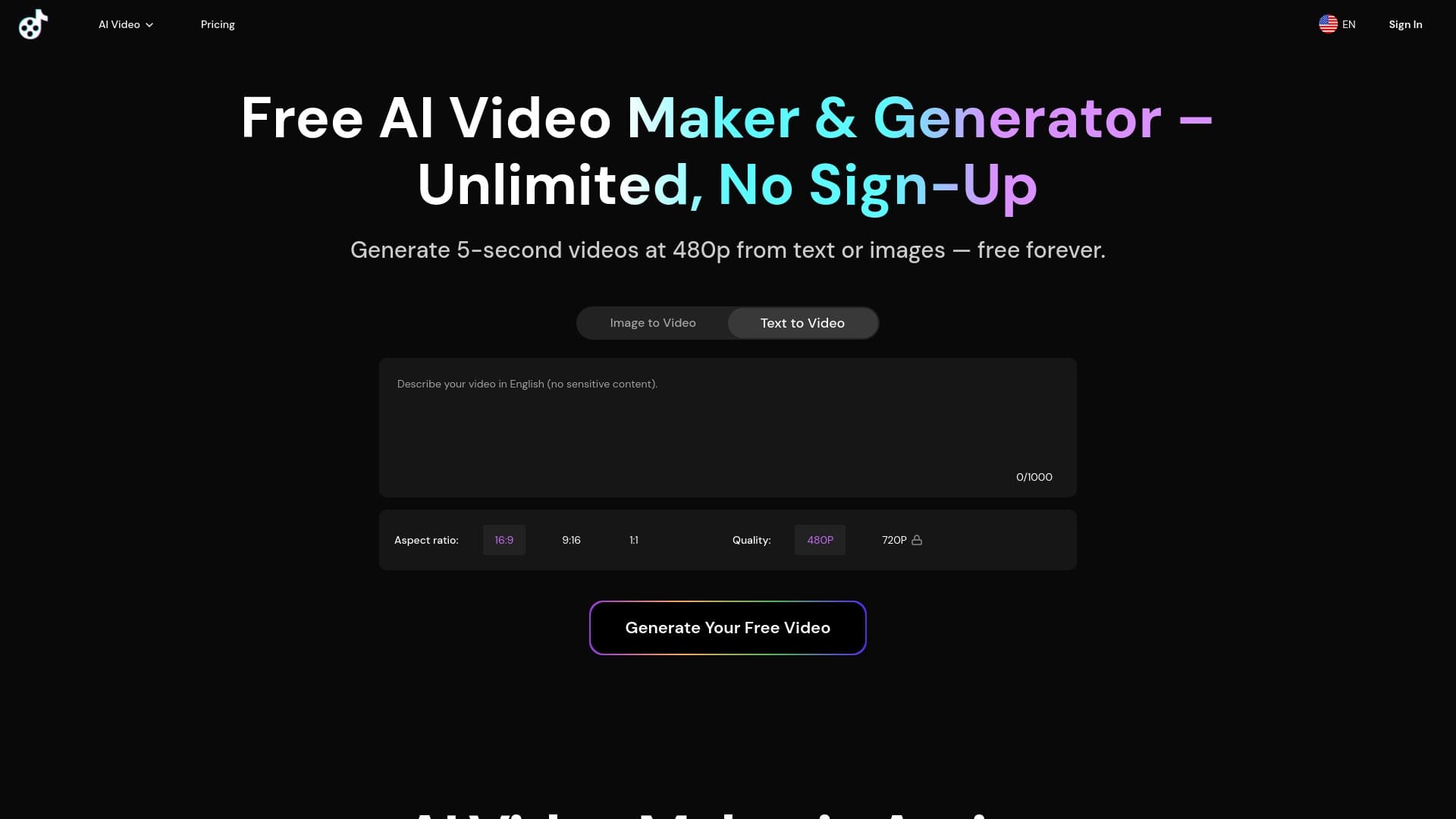
Generate advertising UGC videos with virtual actors without real filming.
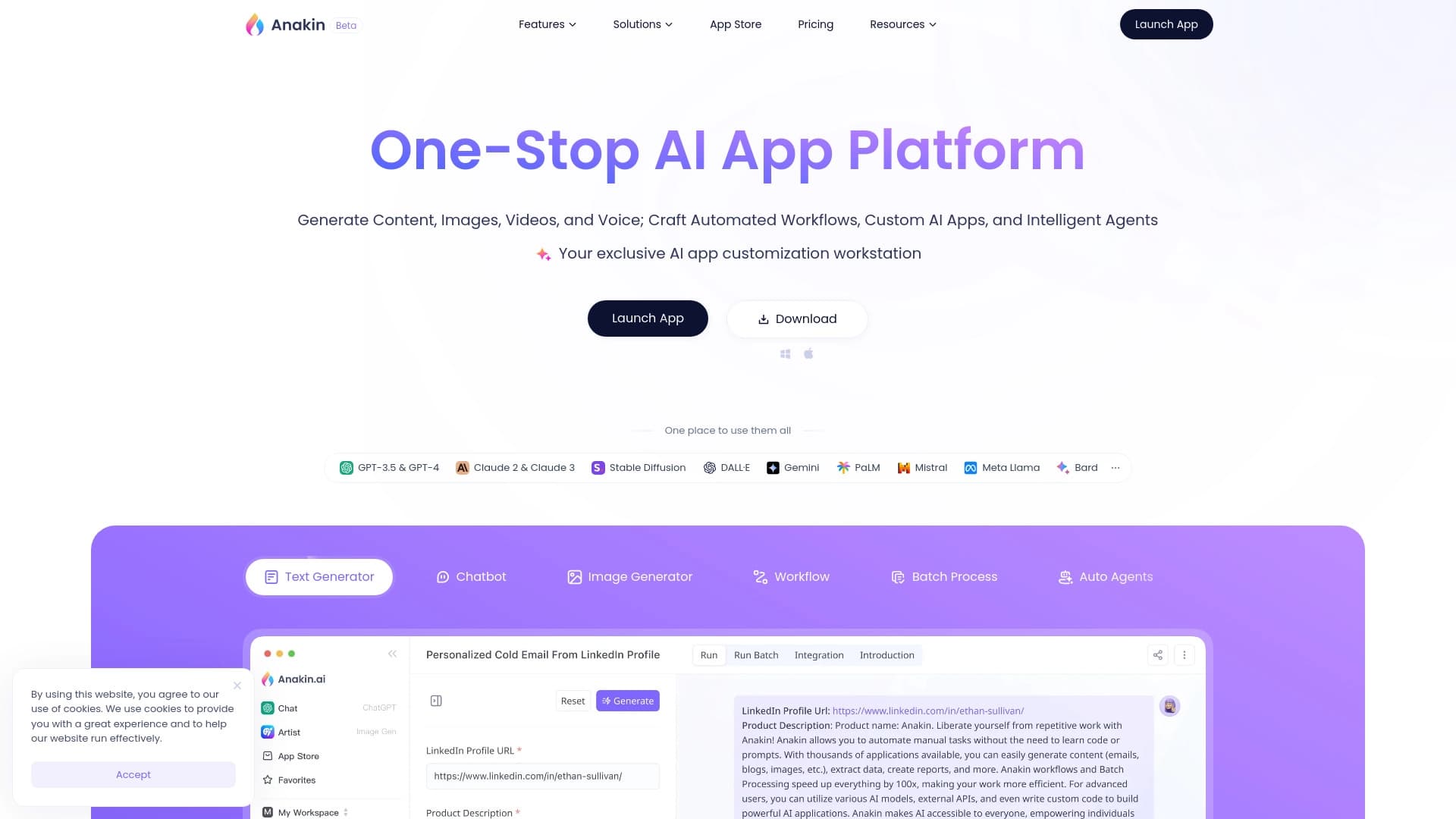
Anakin.ai is a low-code platform that combines various AI models for content creation and workflow automation without coding.
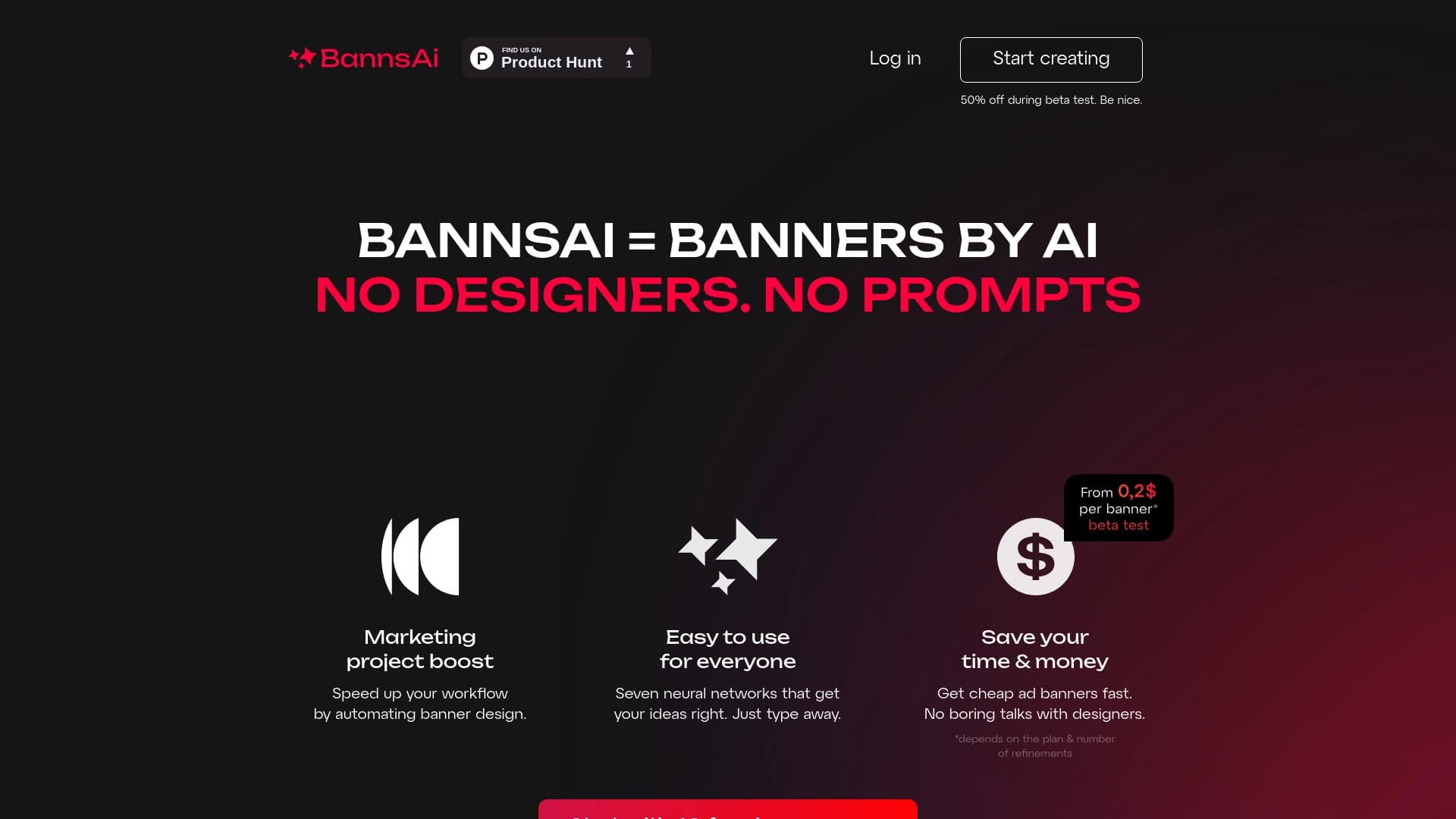

BannsAi is an AI-powered service for quickly creating ad banners based on a text description or reference.