
ADK-Golang
Lightweight Go library for building and deploying AI agents with support for tools, dynamic prompts, and memory.
Overview
ADK-Golang is a lightweight open-source library designed for building and deploying AI agents in the Go language. The project is aimed at developers who want to build intelligent assistants, chatbots, and automation systems without leaving the Go ecosystem or integrating external orchestration services.
The library provides developers with a complete set of tools: registration of custom tools, dynamic prompt generation based on templates, and memory modules for storing dialogue context. This approach allows you to create agents that not only process requests but can also interact with external APIs, databases, and other services while maintaining conversation integrity.
Unlike many frameworks that require deploying separate infrastructure, ADK-Golang is implemented in pure Go and requires no external dependencies. This makes it convenient for embedding into existing microservice architectures and data processing pipelines.
ADK-Golang Features
| Feature | Value |
|---|---|
| Type | Agent Development Kit (library for agent development) |
| Programming Language | Go |
| Platforms | Linux, macOS, Windows |
| Categories | AI platforms and frameworks, code assistance, workflow automation |
| Open Source | Yes |
| Date Added to Catalog | May 20, 2025 |
| Distribution Model | Free |
| Environment Requirements | Go environment installed |
Who Is ADK-Golang For?
Go Developers
The library is created specifically for programmers working with Go. If you already write backend services and want to add AI functionality to them, ADK-Golang lets you do this without switching to other languages or frameworks.
AI Engineers and Backend Engineers
ADK-Golang suits engineers who integrate language models into production environments. The library handles routine tasks — agent orchestration, memory management, and logging — allowing you to focus on business logic and use cases.
DevOps Teams and Enterprises
For teams automating operations (deployment, monitoring, incident handling), ADK-Golang offers ready-made mechanisms for building bots. The enterprise segment can use the library to build internal assistants that operate in a closed loop without transferring data to third parties.
How to Use ADK-Golang?
Installation and Setup
The first step is installing the library via the standard Go package manager:
go get github.com/nvcnvn/adk-golang
After that, the package is imported into the project in the usual way. A pre-configured Go environment on your machine is required.
Configuration and Agent Creation
The agent development process looks like this:
- Environment setup. Specify the credentials of the AI model the agent will call, as well as the addresses of external tools.
- Defining tools. Register your own functions or integrations via
adk.RegisterTool(). - Creating the agent. Use
adk.NewAgent(), attach a memory module and prompt templates. - Running. Call
agent.Run()to process incoming data and get a response.
Iterative Development
After launching the agent, you need to monitor logs and performance metrics. ADK-Golang provides logging mechanisms for monitoring each step. Based on this data, you can refine prompts, add new tools, or adjust memory logic.
Key Features of ADK-Golang
Tool Integration and Registration
The library allows connecting any number of external functions and APIs. The registration mechanism (RegisterTool) standardizes the interaction interface, simplifying the expansion of agent capabilities.
Dynamic Prompt Templates
ADK-Golang includes a dynamic prompt builder. Templates can substitute variables depending on dialogue context or system state, improving the quality of model responses.
Dialogue Memory Management
The built-in memory module saves conversation history and maintains context. This allows the agent to conduct multi-step dialogues without losing important details when processing requests.
Orchestration and Monitoring
The library ensures consistent operation of all agent components. Logging and monitoring are built into the core, providing full transparency of the request processing flow.
Advantages of ADK-Golang
Development Speed
Tools for creating agents are provided out of the box. You don't need to write infrastructure code from scratch — just define the logic and connect models.
Modularity and Extensibility
The architecture is built on interfaces, allowing individual components (memory, tools, templates) to be replaced without rewriting the entire agent.
Pure Go Without External Services
The absence of dependencies on external orchestrators and services simplifies deployment and reduces infrastructure requirements. Everything runs inside your application.
Production Readiness
The code is designed for industrial use: logging, error handling, and scaling mechanisms are present.
Standardized Interfaces
Consistency in defining tools and processing requests simplifies team development and codebase maintenance.
Disadvantages of ADK-Golang
Since the library is a relatively new project (added to the catalog in May 2025), it has a limited community and fewer ready-made examples compared to more mature frameworks. Documentation may require studying the source code for non-standard scenarios. Additionally, developers unfamiliar with Go will need time to learn the language. There is no information about built-in support for popular cloud AI services — connecting specific models will likely need to be configured manually.
What Tasks Does ADK-Golang Solve?
Customer Support Chatbots
The library allows creating bots that advise users based on a knowledge base and access external systems when needed.
Automated Data Extraction
Agents can process incoming documents, emails, or forms, structuring information and passing it to the required services.
DevOps Automation
With ADK-Golang, you can create bots for incident management, routine operations, and interaction with infrastructure APIs.
Code Writing Assistance
The tool is suitable for creating contextual assistants that help programmers generate code snippets in development environments.
API Request Orchestration
Agents can act as intermediaries, combining multiple external APIs into a single user request processing scenario.
ADK-Golang Pricing
ADK-Golang is distributed free of charge. The project is open source, allowing the library to be used in commercial and personal projects. No separate fee is charged for the library. Note that when using paid language model APIs, the costs of their calls will be determined by the rates of the respective providers — ADK-Golang acts only as an intermediary layer in this process.
Terms of Use for ADK-Golang
The terms of use are determined by the project's open-source nature and the license specified in the repository. Using the library involves installing it into a Go environment and following standard development practices for this language. Access to the API of a chosen AI model (e.g., OpenAI or other compatible services) will be required. No specific restrictions recorded in available sources have been identified.
ADK-Golang Availability
The library is available on all major operating systems: Linux, macOS, and Windows. The main requirement is an installed Go development environment. Installation is done via the standard go get command, and the source code is hosted on GitHub. Thanks to the use of pure Go, the library has no complex system dependencies and can be deployed both in cloud environments and on local machines.
How ADK-Golang Differs from Alternatives
Focus on the Go Ecosystem
Unlike solutions such as LangChain or LlamaIndex, which were originally created for Python, ADK-Golang is a native tool for Go. Go developers get familiar syntax, typing, and tools without needing wrappers or bindings.
Lightweight and Dependency-Free
Many frameworks require connecting to separate orchestration services or contain a large number of dependencies. ADK-Golang bets on minimalism: all key mechanisms (memory, tools, templates) are implemented inside the library.
Proximity to the OpenAI Go SDK
The library overlaps in functionality with the official OpenAI Go SDK but extends it by adding an abstraction layer for tools, memory, and multi-agent scenarios. This makes ADK-Golang more convenient for building full-fledged agent systems.
Conclusion
ADK-Golang is a pragmatic solution for Go developers who want to create AI agents with tool integration, dynamic prompts, and memory. The library stands out for its lightness, lack of external services, and open-source code. It suits a wide range of tasks — from simple chatbots to complex automation systems. The project is young, and its ecosystem is still forming, but it already offers a sufficient set of tools for industrial development. If your team works with Go and needs to build AI assistants, ADK-Golang deserves attention as a practical and free tool.
Frequently asked questions
See also

AI assistant for creating short summaries of videos, PDF documents, and web pages.

AI-based platform for creating and editing product images and videos for e-commerce sellers.

Service for generating short vertical videos using a neural network via API or mobile app.
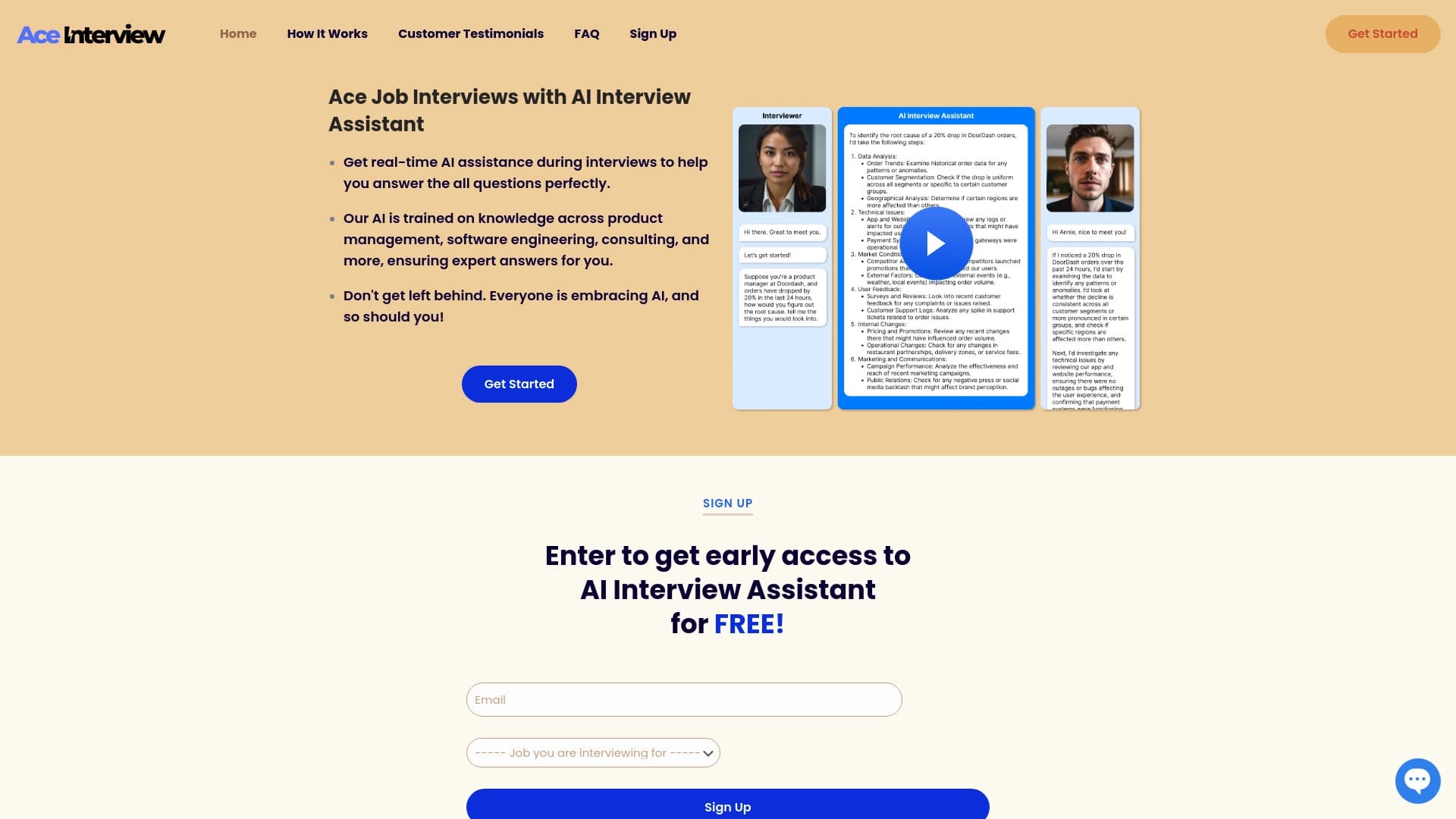

AI assistant for real-time hints during online interviews.
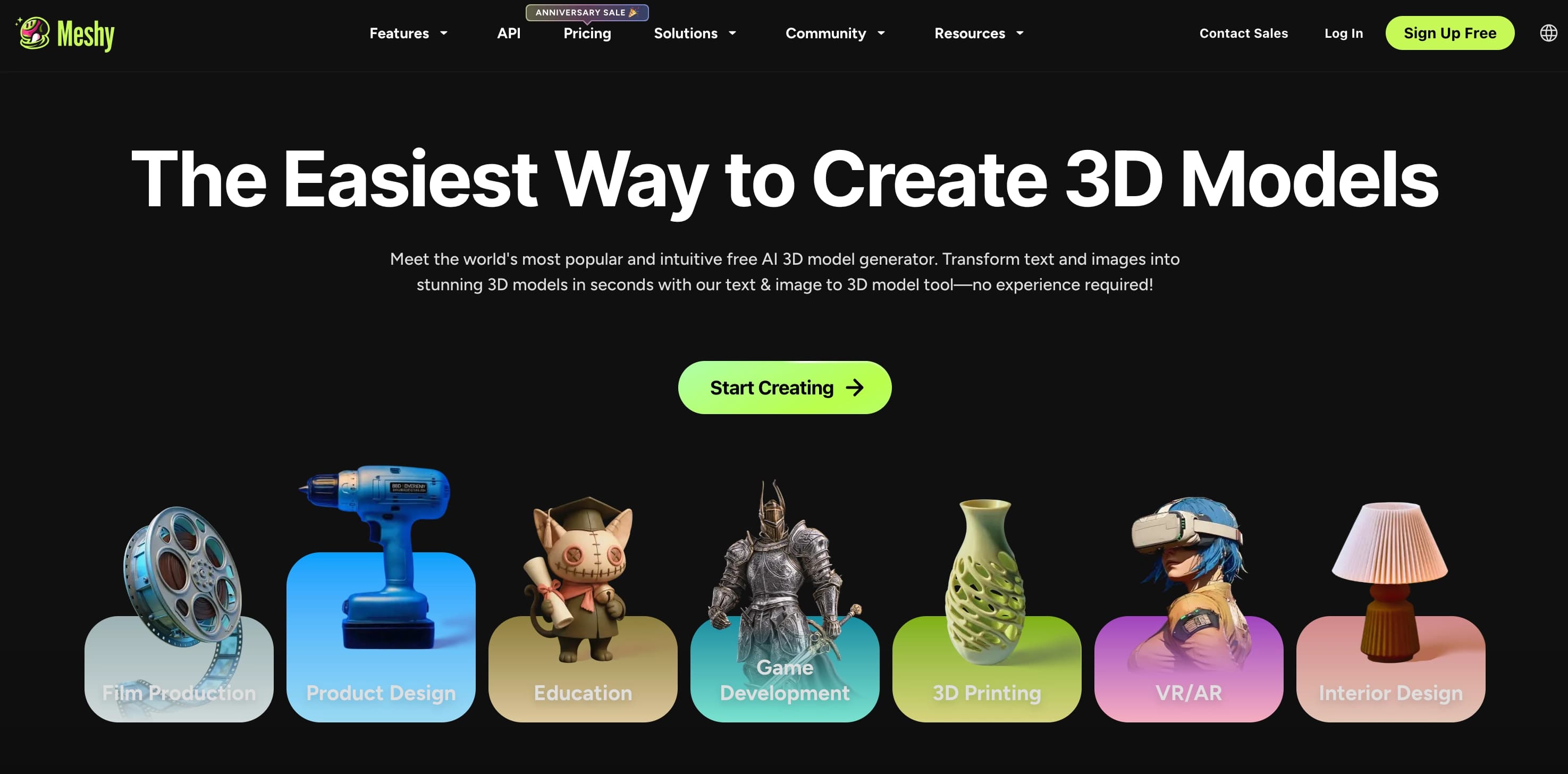
A neural network-powered cloud service for generating 3D models, textures, and animations from text descriptions or images.
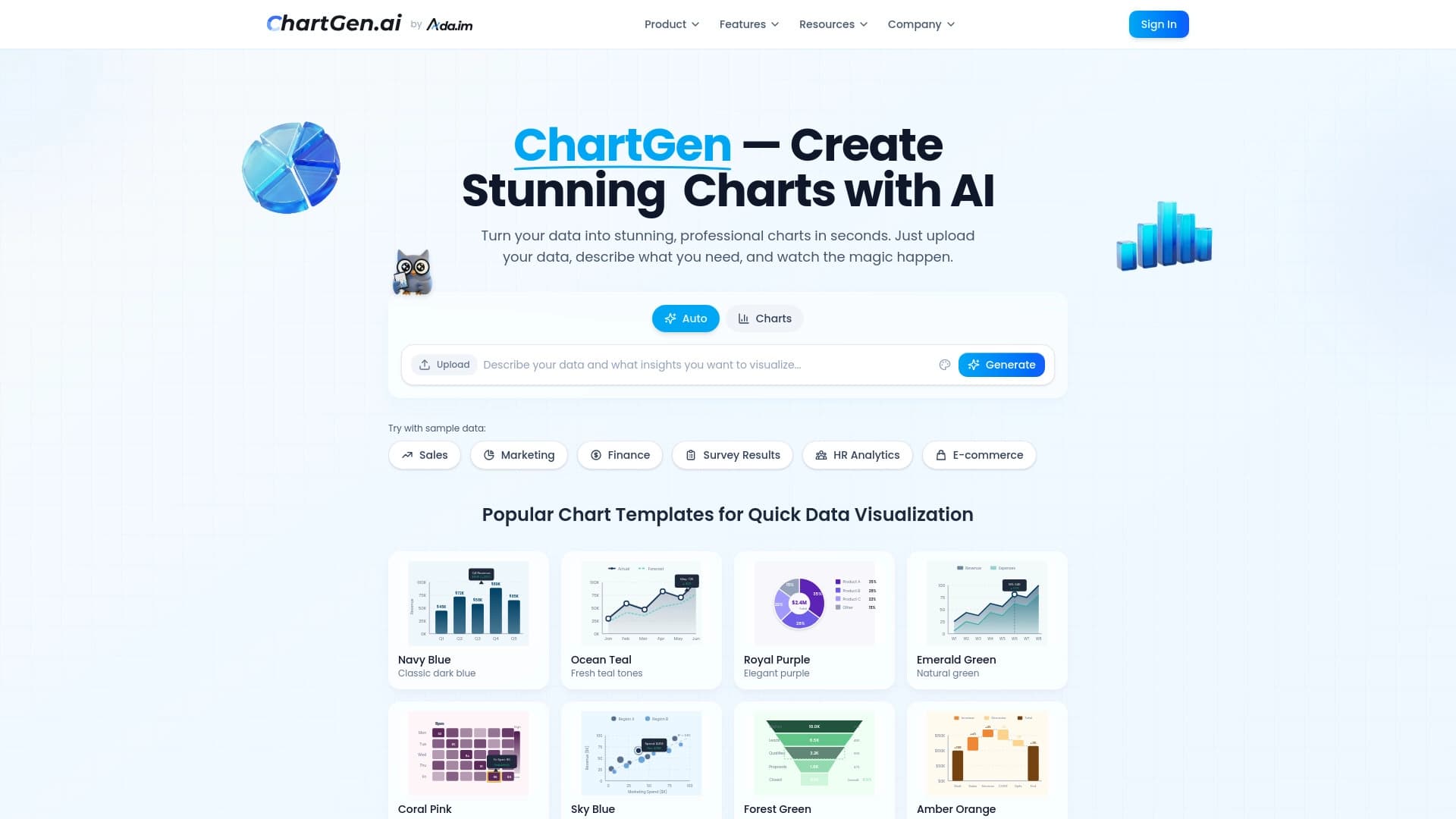

Diagram and chart generator from uploaded data based on a natural language text description.
Intelligent assistant from Microsoft, built into the Bing search engine and Edge browser, powered by GPT-4.
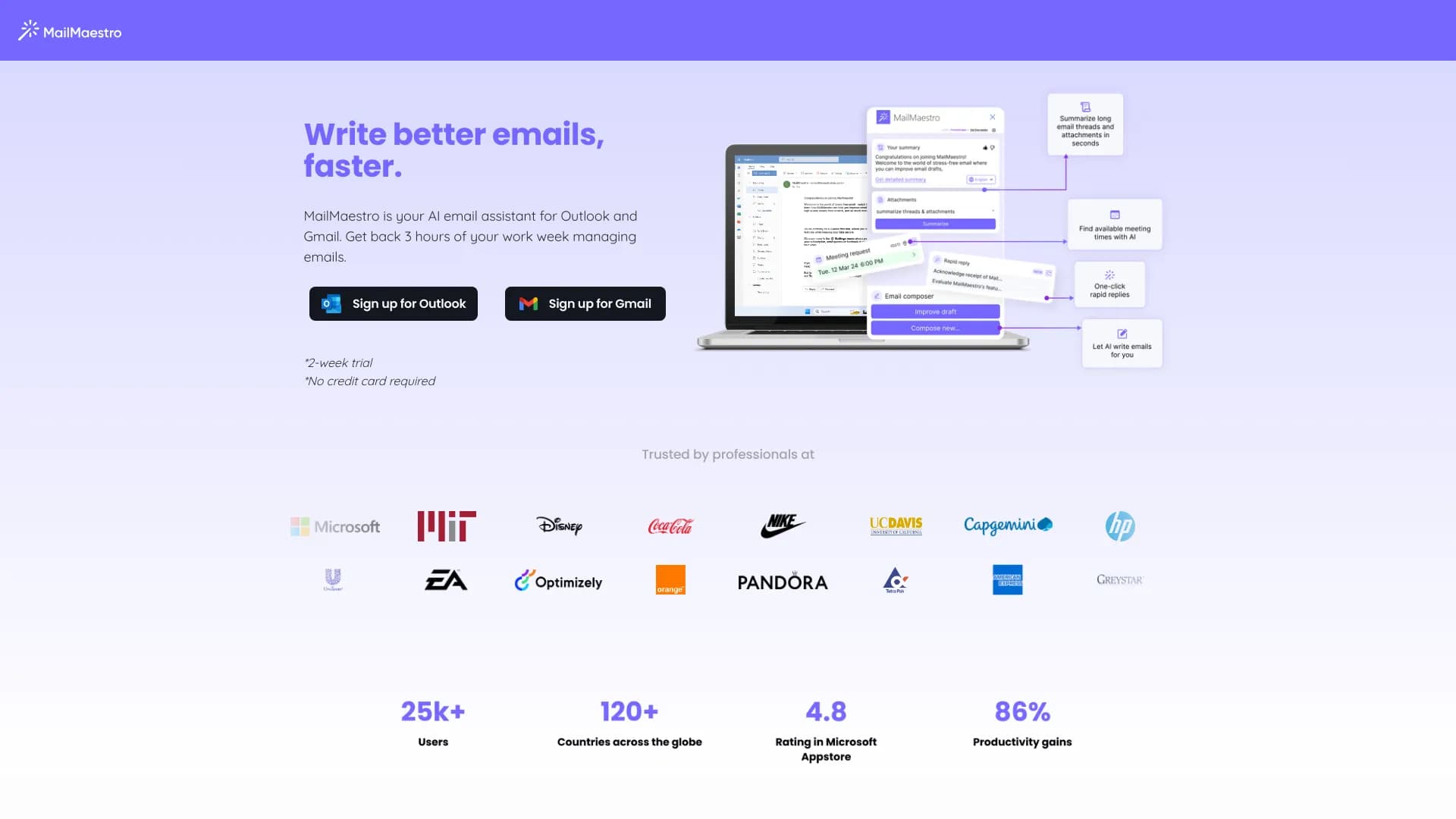

AI email assistant that integrates with Gmail and Outlook.