
Adaline AI
No-code platform for building autonomous AI agents.
Overview
Adaline AI is a platform that allows you to create autonomous AI agents without writing code. The main purpose of the service is to automate routine operations and customer request processing. Instead of hiring developers or dealing with complex APIs, users can visually design an agent's workflow, and the platform handles the technical side.
No-code concept for business
The key idea behind Adaline AI is to make artificial intelligence technologies accessible to a wide range of employees. The platform is aimed at teams that want to implement automation but lack the resources for programming. Users work with an interface where they can connect blocks, set up scenarios, and define agent actions.
Autonomy as the core value
Agents created with Adaline AI don't just answer questions — they execute chains of actions. They can analyze incoming data, make decisions, and interact with external services, allowing them to take over a significant portion of everyday work.
Adaline AI Features
| Feature | Value |
|---|---|
| Platform type | No-code AI agent builder |
| Primary purpose | Workflow automation and customer support |
| Coding requirement | None |
| Target audience | Business users, operations teams, customer service departments |
| Key technology | Autonomous AI agents |
| Distribution model | Not specified in the source |
Who is Adaline AI for?
Adaline AI is designed for teams that spend significant time on repetitive tasks. The platform will be useful for those who want to reduce the workload on staff and speed up the processing of similar requests.
Operations managers and executives
For those responsible for business process efficiency, Adaline AI offers a way to delegate part of the work to automated agents. This allows human resources to be redirected toward more complex and creative tasks.
Customer support teams
The service suits support teams that receive a large number of standard questions. Agents can handle initial inquiries, answer frequently asked questions, and pass complex cases on to human employees.
How to use Adaline AI?
The approach to working with Adaline AI is based on visual design, making it accessible to people without a technical background.
Visual scenario design
Users don't need to write code. Instead, the logic is defined through the platform's interface: what actions the agent should perform, what data to process, and in what order. The process resembles assembling a diagram or flowchart.
Launch and integration into workflows
Once a scenario is created, the agent is deployed on the platform and begins performing the assigned tasks. It can be integrated into existing workflows to automate request processing or other routine operations.
Key Features of Adaline AI
The platform provides a set of capabilities related to creating and operating AI agents.
- Code-free agent creation: the core functionality is a visual builder that lets you assemble agents from ready-made blocks.
- Autonomous task execution: agents can independently follow a given scenario without human involvement at every step.
- Automated request processing: customer support is a key application area where agents receive and process incoming inquiries.
- Workflow integration: created agents are embedded into a company's existing operational chains to automate repetitive operations.
Adaline AI Advantages
Using the platform offers businesses several tangible benefits related to operational optimization.
- No entry barrier: thanks to the no-code approach, the platform is accessible to employees without programming skills.
- Reduced staff workload: delegating routine tasks to agents frees up team time.
- Speed of implementation: the visual approach allows automation to be launched faster compared to writing code.
- Faster operations: automated processing of repetitive actions is quicker than manual execution.
Adaline AI Limitations
The platform has limitations related both to its concept and to the availability of information.
- Limited flexibility for complex scenarios: no-code platforms often fall short of fully custom code in flexibility, which can be critical for non-standard tasks.
- Lack of public information: detailed data on technical specifications, integrations, and limitations is currently unavailable, which can make it difficult to evaluate the platform before implementation.
- Unknown distribution model: it is unclear how the tool is distributed — via subscription, one-time purchase, or other models — which is important to consider when planning a budget.
What problems does Adaline AI solve?
The platform is designed to automate routine and repetitive operations that require time and human effort.
- Reducing operational load: the service helps cut the volume of manual work associated with standard tasks.
- Faster request processing: AI agents can respond to standard customer inquiries more quickly.
- Optimizing staff performance: employees can focus on complex and non-standard tasks while agents handle the routine.
- Increased throughput: through automation, a company can process a larger volume of requests without hiring additional staff.
Adaline AI Pricing
Currently, information about the platform's pricing is not available in public sources. It is unknown whether Adaline AI offers a free tier, a trial period, or only paid subscriptions. To get up-to-date information on prices and available plans, potential users need to visit the product's official website or contact the developer's support team.
Adaline AI Terms of Use
Specific terms of use for the platform, including license agreements, data volume limits, or the number of agents that can be created, have not been publicly disclosed. It is evident that the service targets business users and implies commercial use for workflow automation. It is recommended to clarify the details of the terms with an official product representative before getting started.
Adaline AI Availability
Information about which countries and regions the service is available in, as well as support for various languages, is currently unavailable. The platform is present on the market, but details about its geographic reach are limited. Users from different countries should check the service's availability on the official website themselves.
How Adaline AI differs from alternatives
The main difference of Adaline AI lies in its emphasis on creating truly autonomous agents through a visual interface. While many services offer chatbots or simple response automation, Adaline AI positions itself as a platform for designing agents that independently perform a broader range of operations. The lack of a programming requirement combined with a focus on autonomy sets this tool apart from traditional automation systems, which often require developer involvement. At the same time, the lack of public data on functionality and pricing does not allow for a full comparison with direct competitors.
Conclusion
Adaline AI is a no-code platform for building autonomous AI agents, aimed at automating business processes and handling customer requests. The service addresses the key challenge of reducing staff workload and speeding up routine operations, making AI technologies accessible to users without technical skills. Despite its clear concept and obvious advantages, the platform leaves a number of questions open: there is no public information about pricing, detailed specifications, or distribution terms. Nevertheless, for companies looking for ways to quickly automate standard operations without major investment in development, Adaline AI could be an interesting solution worth further exploration on the official resource.
Frequently asked questions
See also
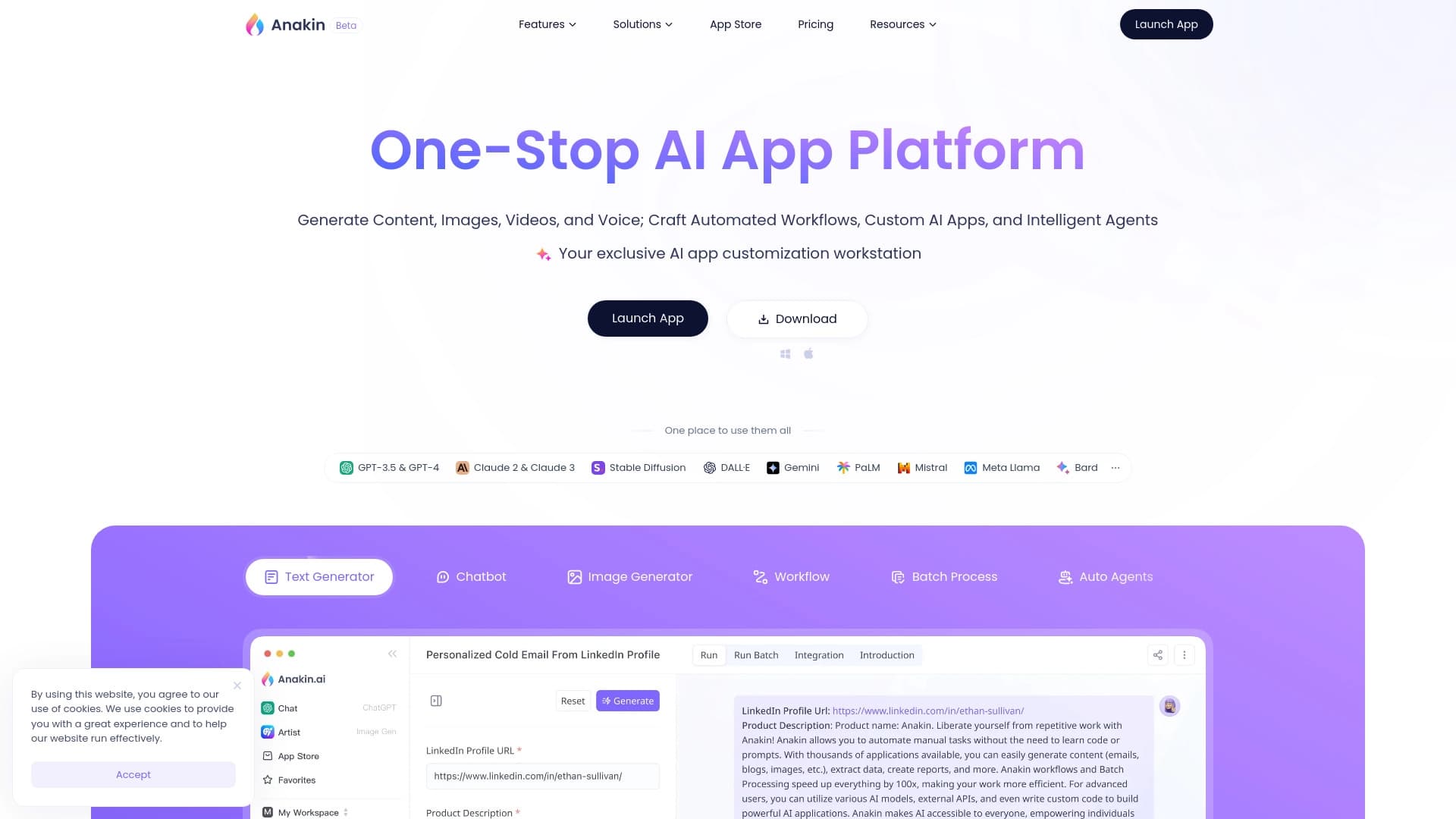
Anakin.ai is a low-code platform that combines various AI models for content creation and workflow automation without coding.
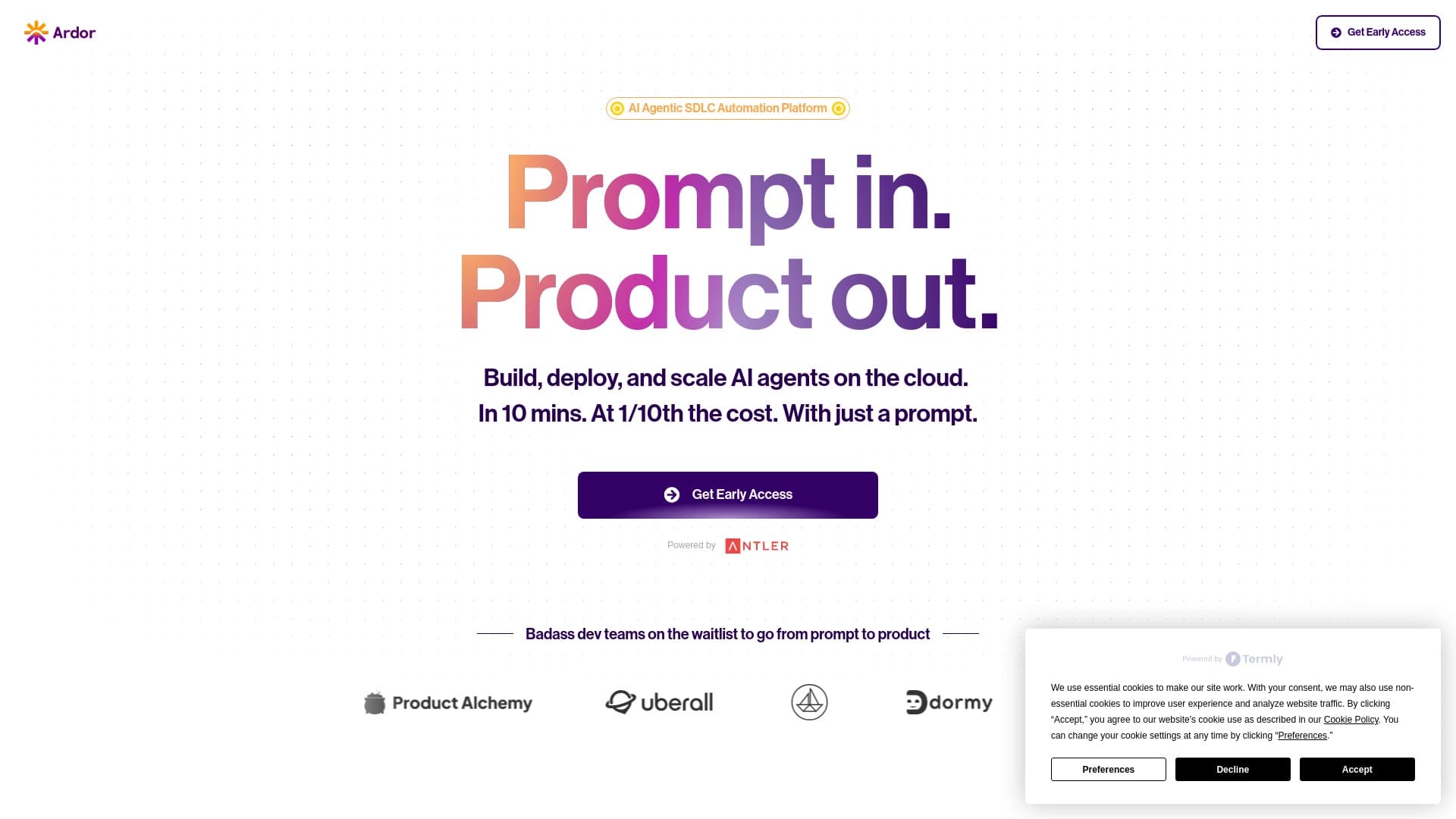

A platform for automating software development using a visual builder for AI agents.
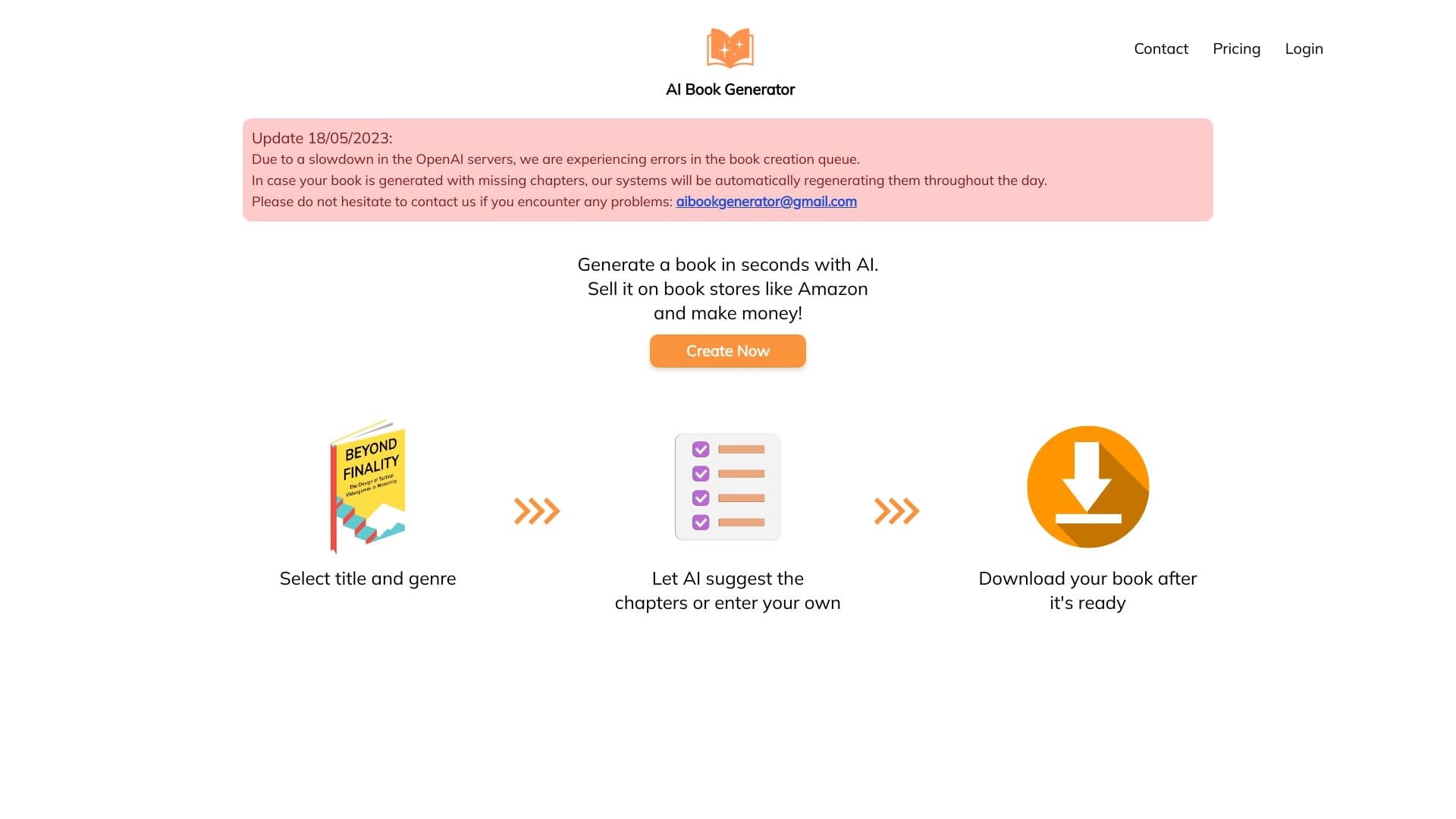

Service for quickly generating e-books on a given topic.
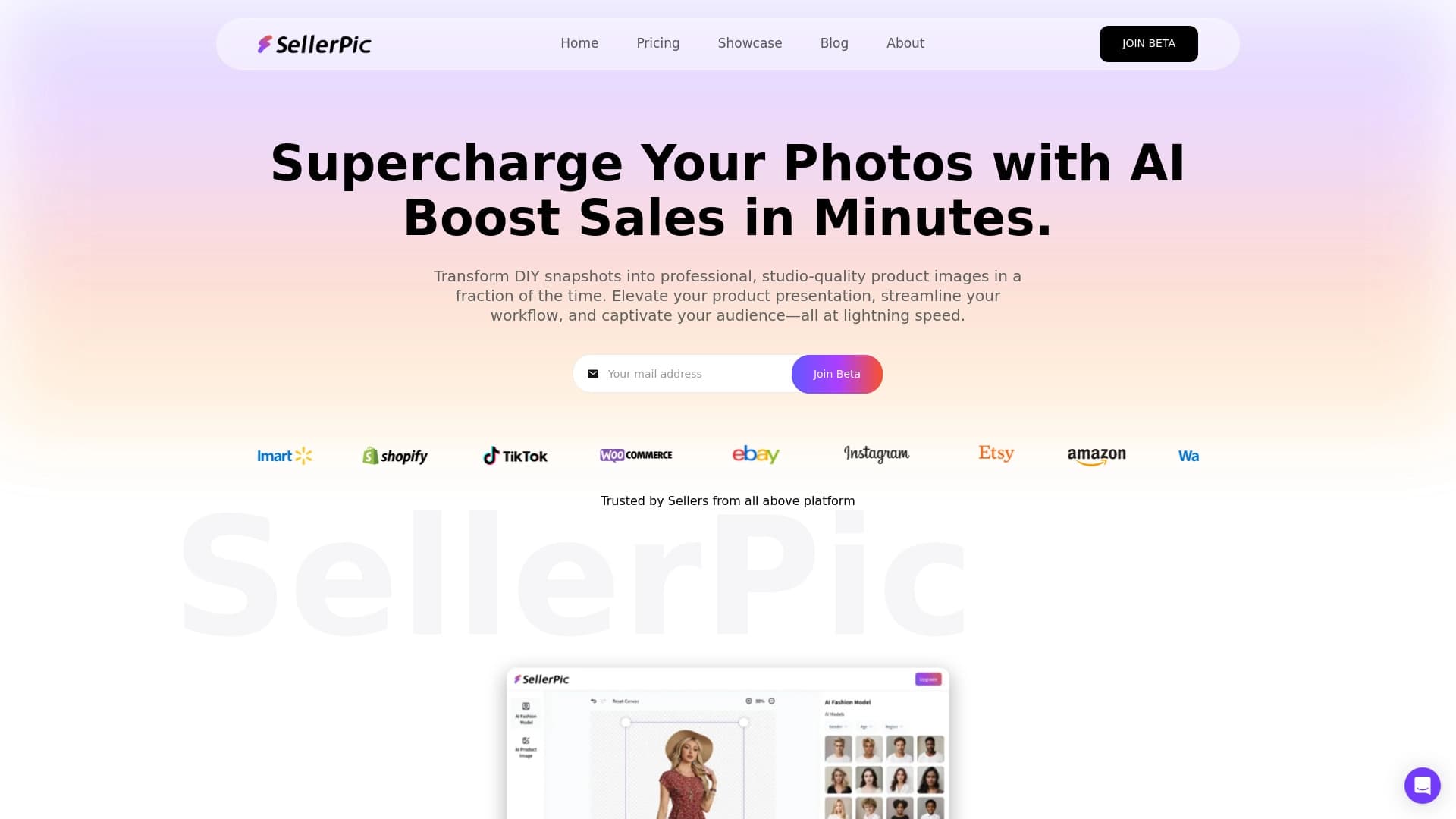

AI-based platform for creating and editing product images and videos for e-commerce sellers.
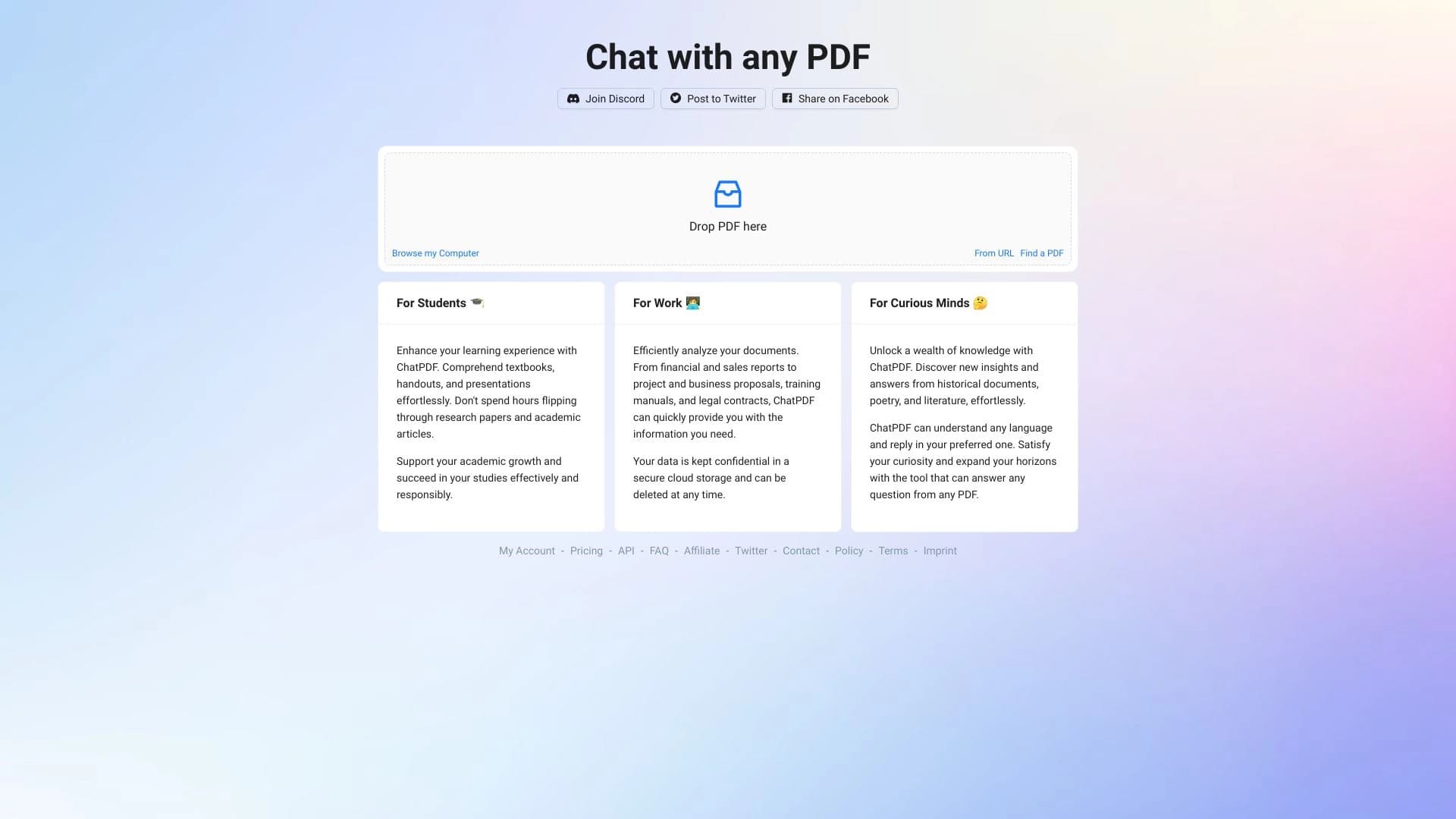
An online service that lets you chat with PDF documents: ask questions and get concise answers with source attribution.

AI platform for analyzing financial data and supporting investment decisions.
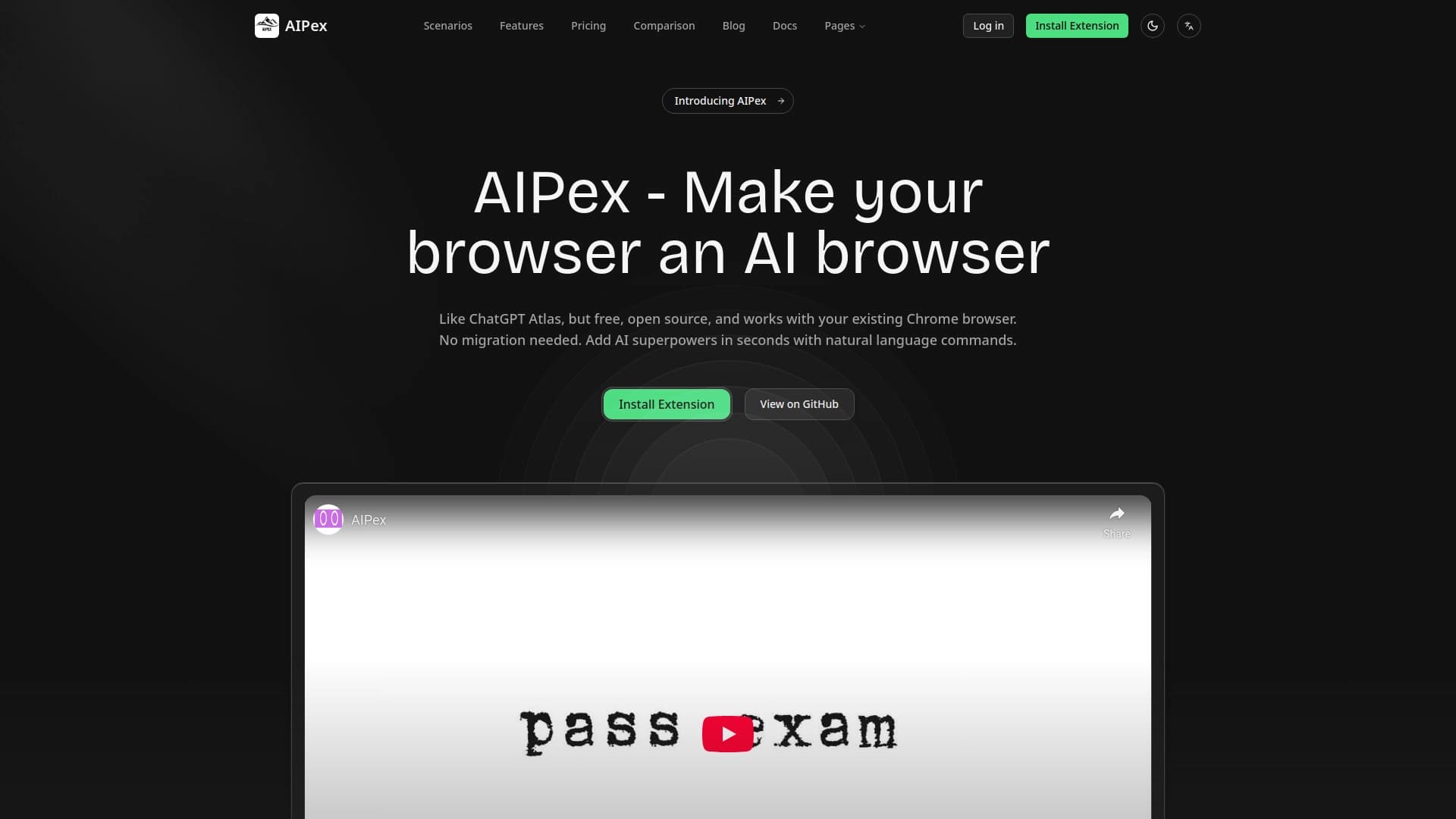

Chrome extension that helps manage tabs, history, and bookmarks with an AI assistant.
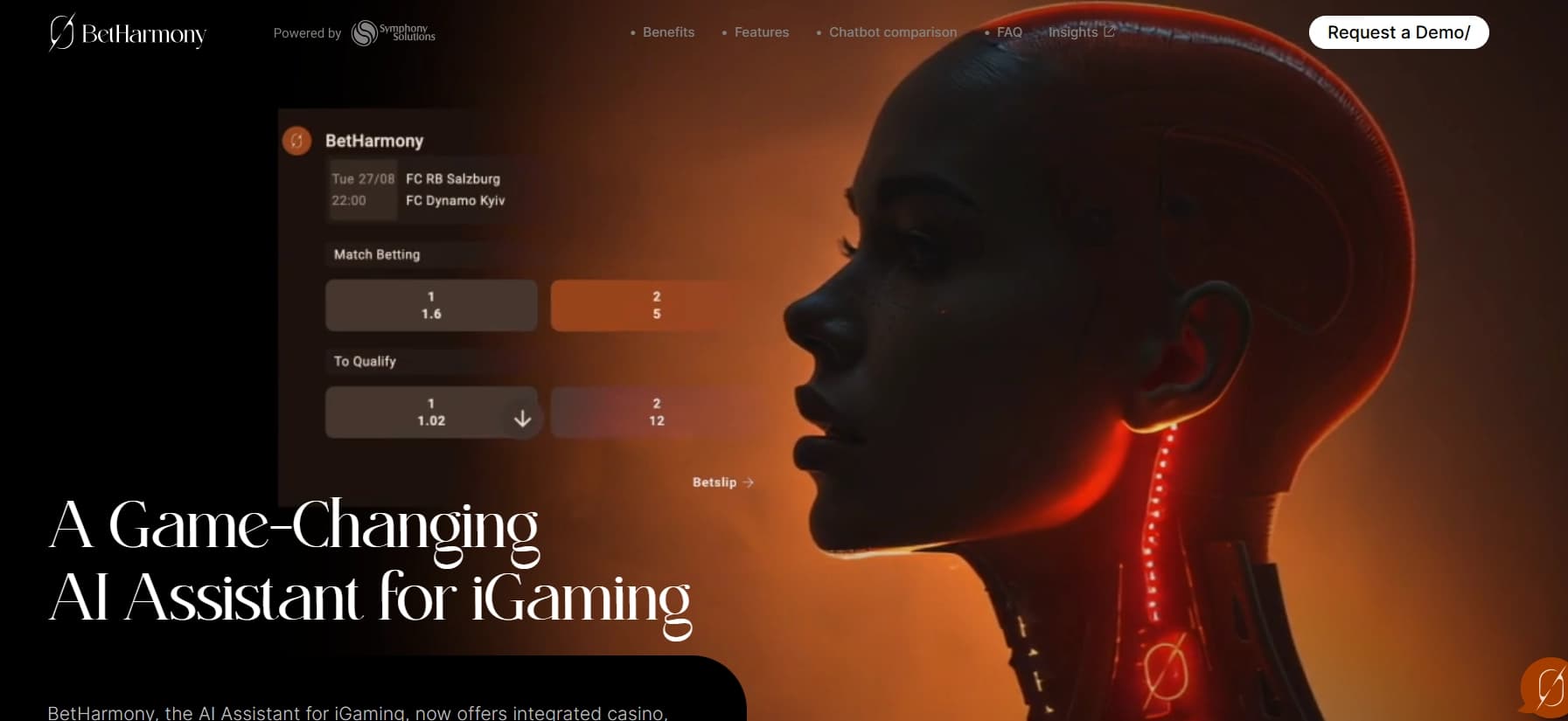

AI assistant for sports betting and casino, analyzing the user's past actions to provide personalized advice.