
AcademicGPT
AI assistant for helping students and researchers write academic and scientific texts.
Overview
AcademicGPT Neural Network Description
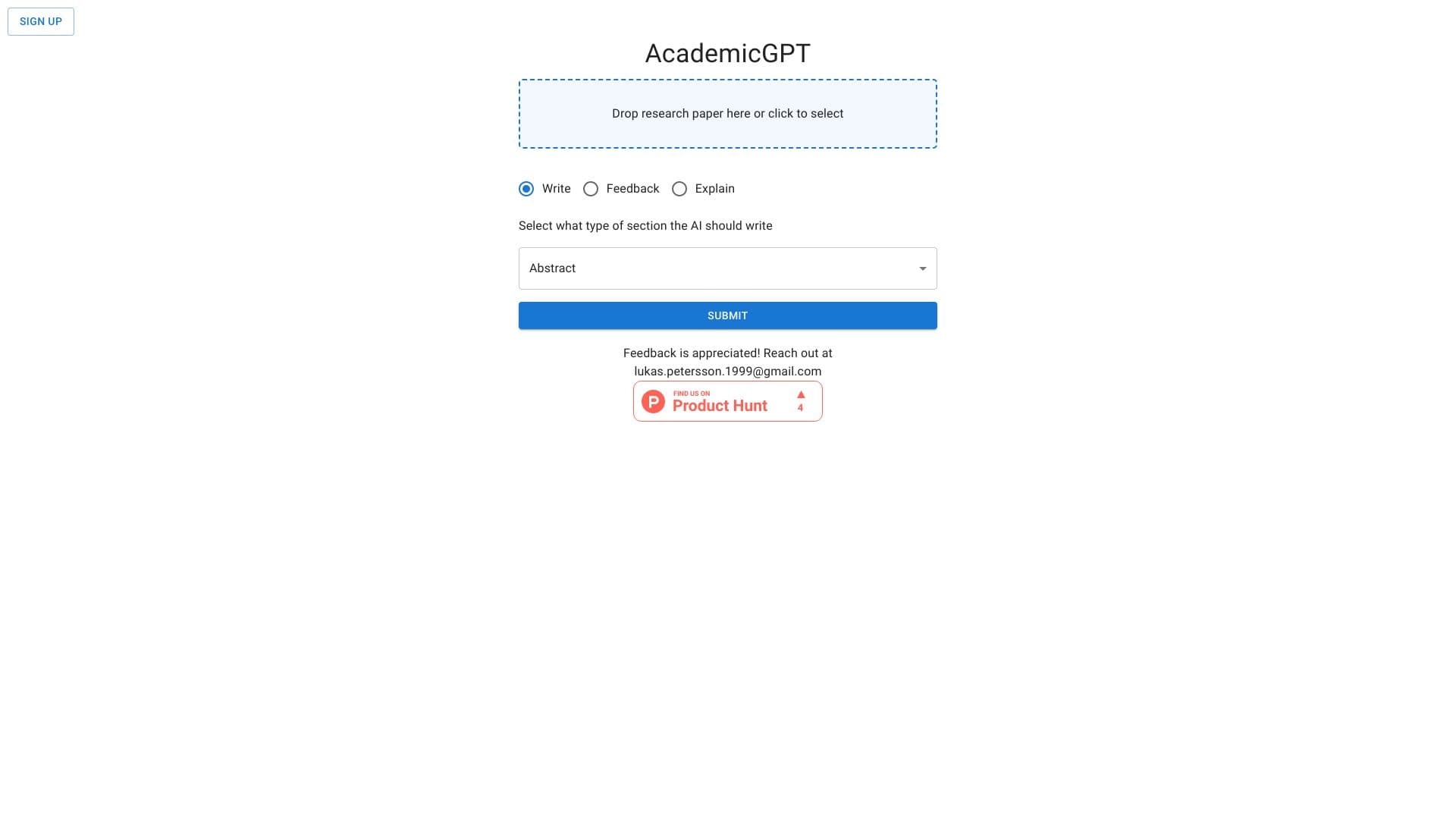
AcademicGPT is an AI-powered online assistant designed to help students and researchers write academic and scientific texts. The service works through a web interface and significantly speeds up the preparation of coursework, essays, and research papers.
The main goal of the neural network is to handle the routine part of academic writing: generating drafts, building structure, and formulating introductions and conclusions. The user enters a topic or assignment, and AcademicGPT suggests a ready-made structure for the work and text drafts for each section. All generated materials can be edited, the writing style can be changed, and a chat interface is available for clarifying complex points.
Additionally, the service can analyze articles uploaded by the user and generate individual sections based on them, which is especially useful when preparing scientific publications. AcademicGPT also provides feedback on research papers and helps explain complex academic concepts.
AcademicGPT Features
| Feature | Value |
|---|---|
| Type | Text content generators, Essay checking tools |
| Category | Academic writing, Education |
| Platform | Website (academicgpt.net) |
| Developer | AcademicGPT Team |
| Distribution model | Not specified |
| Free plan | Available (basic features) |
| Monthly visits | 201.7K (according to one source), 580 (according to another source) |
| Editorial rating | 8.7 out of 10 |
| User rating | 4.5 stars |
| Date added to catalog | June 23, 2024 |
Who is AcademicGPT suitable for?
Students
AcademicGPT is primarily aimed at students who want to simplify the academic writing process. The service helps with essays, abstracts, term papers, and other academic assignments, saving time at the initial stage — from forming a structure to getting a draft text that can be refined.
Researchers
Researchers and academic professionals will also find the tool useful. The neural network can analyze already-written articles, generate specific sections based on them, and provide structured feedback and reviews on research papers. This speeds up the preparation of publications and helps look at the material from a fresh perspective.
Educators and supervisors
Although the main focus of the service is helping the writer, the feedback and critique function can also be useful for educators. They can use AcademicGPT to quickly assess the structure of student papers and formulate recommendations for improving the text.
How to use AcademicGPT?
Step 1: Registration and login
To get started, you need to register on the academicgpt.net website and log into your account. The free plan is available immediately after registration; a subscription is required for paid features.
Step 2: Entering a topic or uploading materials
After logging in, you need to enter a topic or assignment — for example, "an essay on history" or the title of a future scientific article. Alternatively, you can upload your research paper or a file with material that the neural network will use to generate content.
Step 3: Choosing the type of section to generate
The user selects which section the AI should write: introduction, main body, conclusion, abstract, or summary. The neural network also offers structure options for the entire work — a plan broken down by chapters.
Step 4: Editing and refining
The generated draft can be edited directly in the web interface: change the style, adjust wording, and rearrange sections. A chat interface is available for clarifying details, where you can ask questions and get explanations of complex concepts.
Step 5: Checking and exporting
It is recommended to check the final text for uniqueness using external plagiarism-checking services, as AcademicGPT does not guarantee 100% originality. After refinement, the result can be exported in the desired format.
Key Features of AcademicGPT
Academic content generation
The core of the service is AI-powered text generation. The neural network creates drafts of introductions, main sections, conclusions, abstracts, and other parts based on a given topic or uploaded material. This allows you to get a framework for your work in just a couple of minutes.
Smart writing suggestions
AcademicGPT provides intelligent suggestions on text structure, wording, and writing style. The system suggests how to logically build an argument, which sections to add, and how to formulate key points.
Analysis of uploaded works and feedback
Users can upload a finished article or research paper. The neural network will analyze the material, provide structured critique and a review, and explain complex academic concepts through the chat interface.
Explanation of complex concepts
The AcademicGPT chat interface allows users not only to edit text but also to ask questions about the topic of the work. The AI explains complex terms and concepts in simple language, helping the author better understand the material.
Advantages of AcademicGPT
Time savings
One of the main advantages is speed. Generating the main sections of a text takes just a few minutes instead of the hours usually spent writing a draft manually. This is especially valuable when working under tight deadlines.
Intelligent support at all stages
AcademicGPT helps not only with writing text but also with structuring the work: it provides tips on building an introduction, the logic of the main body, and formulating conclusions. The user always receives recommendations on how to improve the material.
Flexibility and adaptability
The service allows you to change the text style, select individual sections for generation, and adjust the structure to meet specific requirements. Uploaded materials are taken into account during generation, making the result more relevant.
Improving the quality of research papers
Thanks to the review function and explanation of complex concepts, AcademicGPT helps improve the quality of academic texts and gain a deeper understanding of the research topic.
Disadvantages of AcademicGPT
Limited work with references
Automatic formatting of reference lists and inserting citations are not supported. Users will have to handle citation and bibliography formatting themselves — the service does not help with this.
Risk of templated text
Since generation is based on AI algorithms, the service sometimes produces similar structures and wording for different topics. This may require additional manual revision of the text to avoid template-like phrasing and make the work unique.
Need for additional uniqueness checking
AcademicGPT does not guarantee 100% uniqueness of generated content. The responsibility for avoiding plagiarism lies with the user — the text must be checked through plagiarism-detection services.
What tasks does AcademicGPT solve?
Speeding up the writing of academic and scientific texts
The main task of the service is to speed up the preparation of academic materials: essays, abstracts, term papers, theses, and scientific articles. The neural network handles the creation of drafts, allowing the author to focus on refining the content.
Building the structure of a work
AcademicGPT helps create a logical plan for the work: introduction, main body, conclusion. The service offers structure options that can be adapted to the requirements of a specific educational institution or scientific journal.
Generating ideas and drafts
For those who struggle to get started, the neural network generates ideas and draft versions of sections. This helps overcome writer's block and provides a starting point for further work.
Getting reviews of research papers
The service provides structured feedback on uploaded articles: it points out weak spots, suggests improvement options, and helps refine arguments before publication.
AcademicGPT Pricing
Free plan
The basic plan is available immediately after registration. It includes core text generation features and basic suggestions. This is enough to get familiar with the service and solve simple tasks.
Standard
The paid "Standard" plan includes advanced features, faster access to new algorithms, and increased generation limits. It is suitable for users who regularly work with academic texts and need a larger volume of generation.
Premium
The "Premium" plan provides full access to all service features without restrictions and priority support. It is recommended for researchers and professionals for whom academic writing is part of their daily work.
Terms of Use for AcademicGPT
Registration on the website is required to use the service. The free plan is activated immediately after creating an account. Access to paid plans is available after subscribing — payment is made monthly.
Please note that terms may change, so it is worth reviewing the current information on the official service website before subscribing to a paid plan. On the free plan, users can evaluate the basic features before deciding whether to upgrade.
Availability of AcademicGPT
AcademicGPT is available as a web version on the academicgpt.net website. All you need to get started is a browser and an internet connection — no additional software installation is required.
How AcademicGPT differs from alternatives
There are many tools on the market for working with texts and checking for plagiarism — for example, Grammarly, GPTZero, Turnitin, and ZeroGPT. However, AcademicGPT occupies its own niche — a specialized assistant specifically for academic writing, rather than a universal editor or checking tool.
Unlike Grammarly or ProWritingAid, which focus on grammar and style of finished text, AcademicGPT generates drafts from scratch based on a given topic and helps build the structure of a scientific work. This makes it closer to services like KonspektGPT or the AI teacher Jojo AI, which are also focused on educational tasks.
The key difference from plagiarism-checking services (Turnitin, GPTZero, Originality.AI) is that AcademicGPT does not check text for uniqueness but helps create it. Formatting references and bibliographies, unlike in Overleaf, is also not automated here — users will have to do this manually.
Thanks to the ability to upload your own materials and generate individual sections based on them, AcademicGPT occupies an intermediate position between universal AI writing assistants and specialized tools for scientific work.
Conclusion
AcademicGPT is a useful online assistant for students and researchers that helps save time when preparing academic texts. The service generates structured drafts of introductions, main sections, and conclusions, supports uploading your own materials, provides feedback, and explains complex concepts through a chat interface. A free plan with basic features allows you to evaluate the service's capabilities before purchasing a paid subscription. At the same time, it is important to remember the limitations: AcademicGPT does not automate reference formatting, may generate templated phrasing, and does not guarantee text uniqueness. Final refinement and checking through plagiarism-detection systems will need to be done by the user independently.
Frequently asked questions
See also
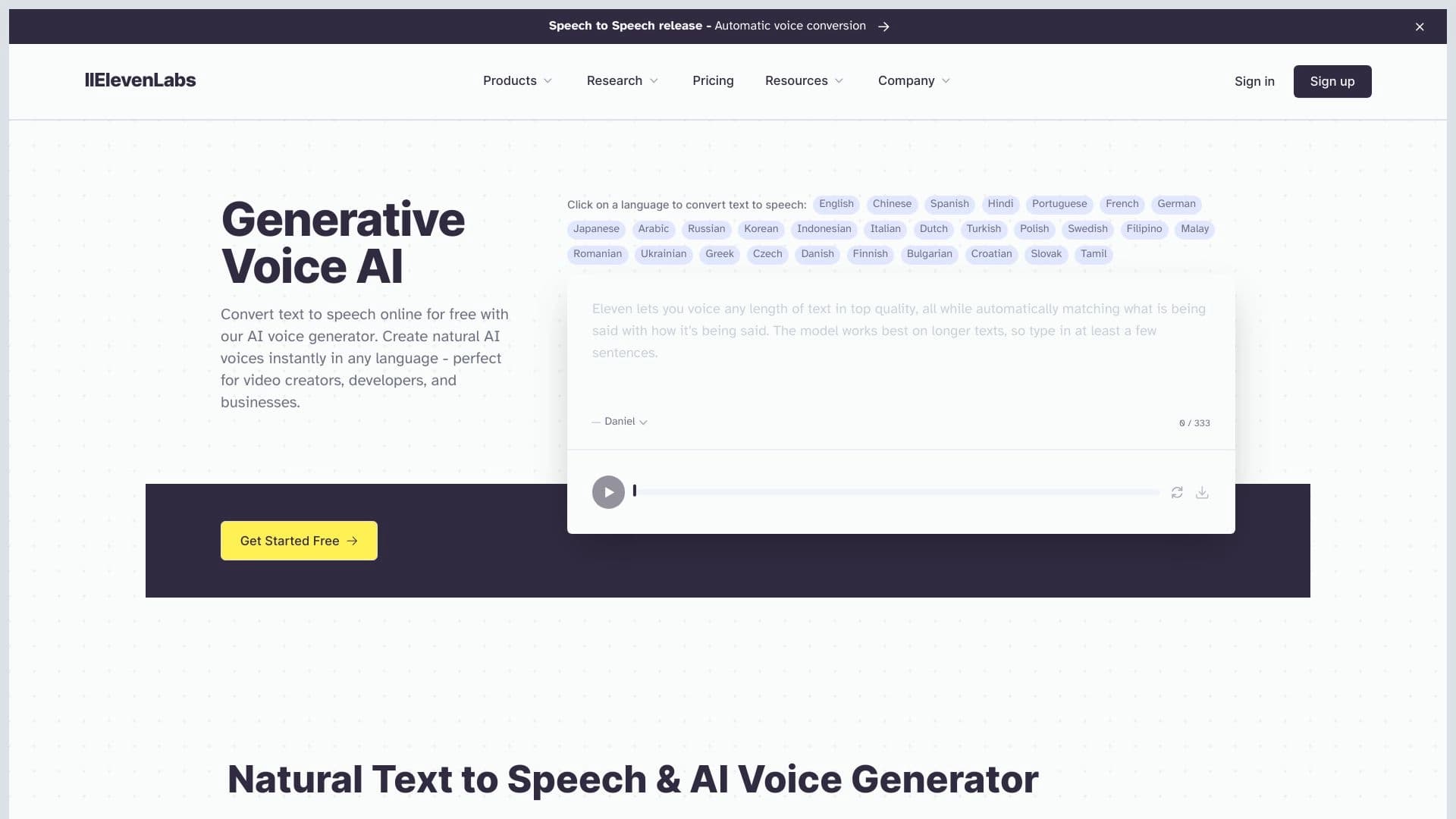
AI platform for voice synthesis and cloning that converts text into realistic speech.

Chrome extension that helps you win in the educational game Blooket by suggesting answers and automating actions.
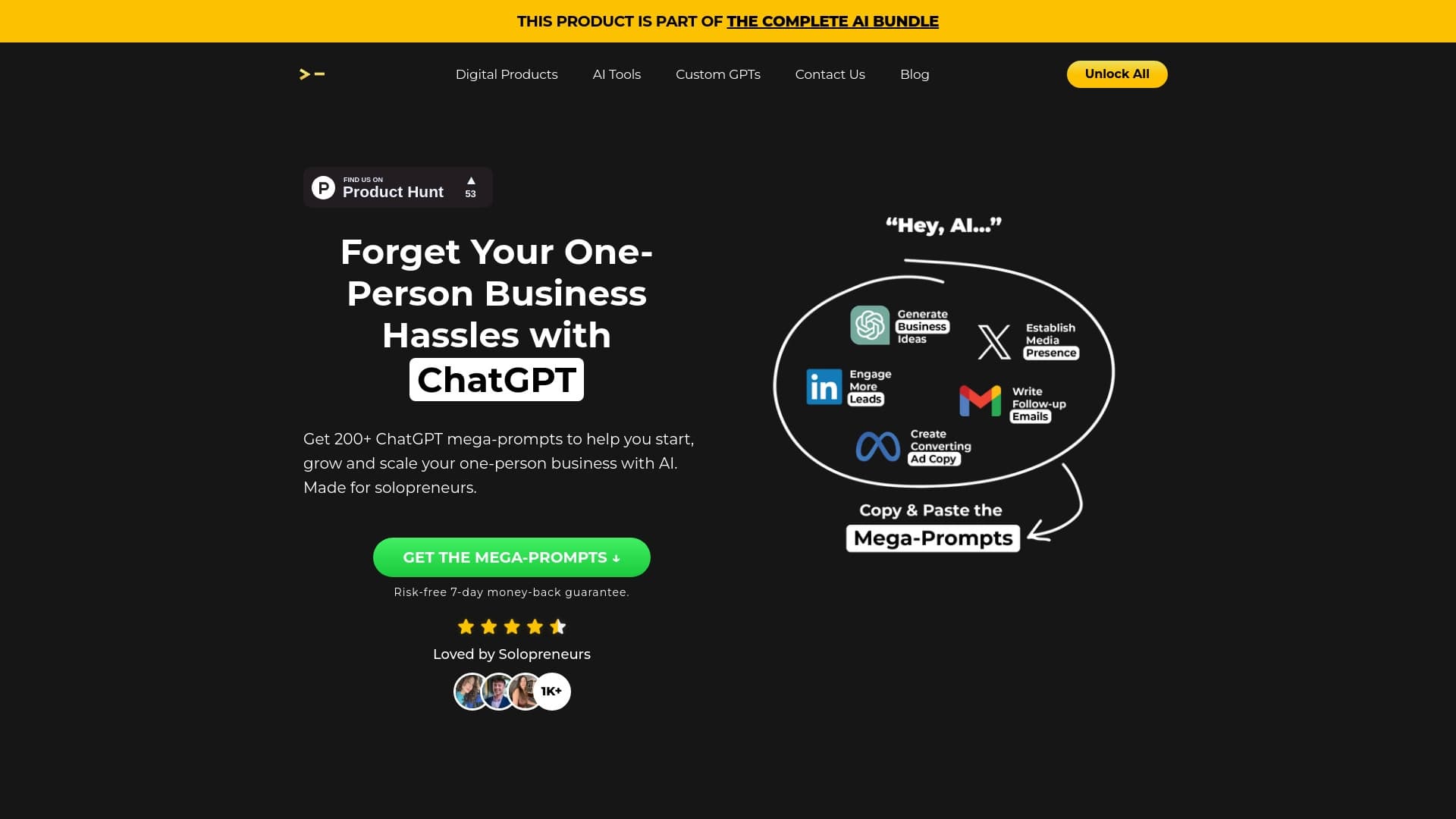

A set of more than 200 ready-made prompts for business and SEO, adaptable to ChatGPT, Claude, and Gemini.


AI assistant for checking grammar, spelling, and style of English text, available as a browser extension and web editor.
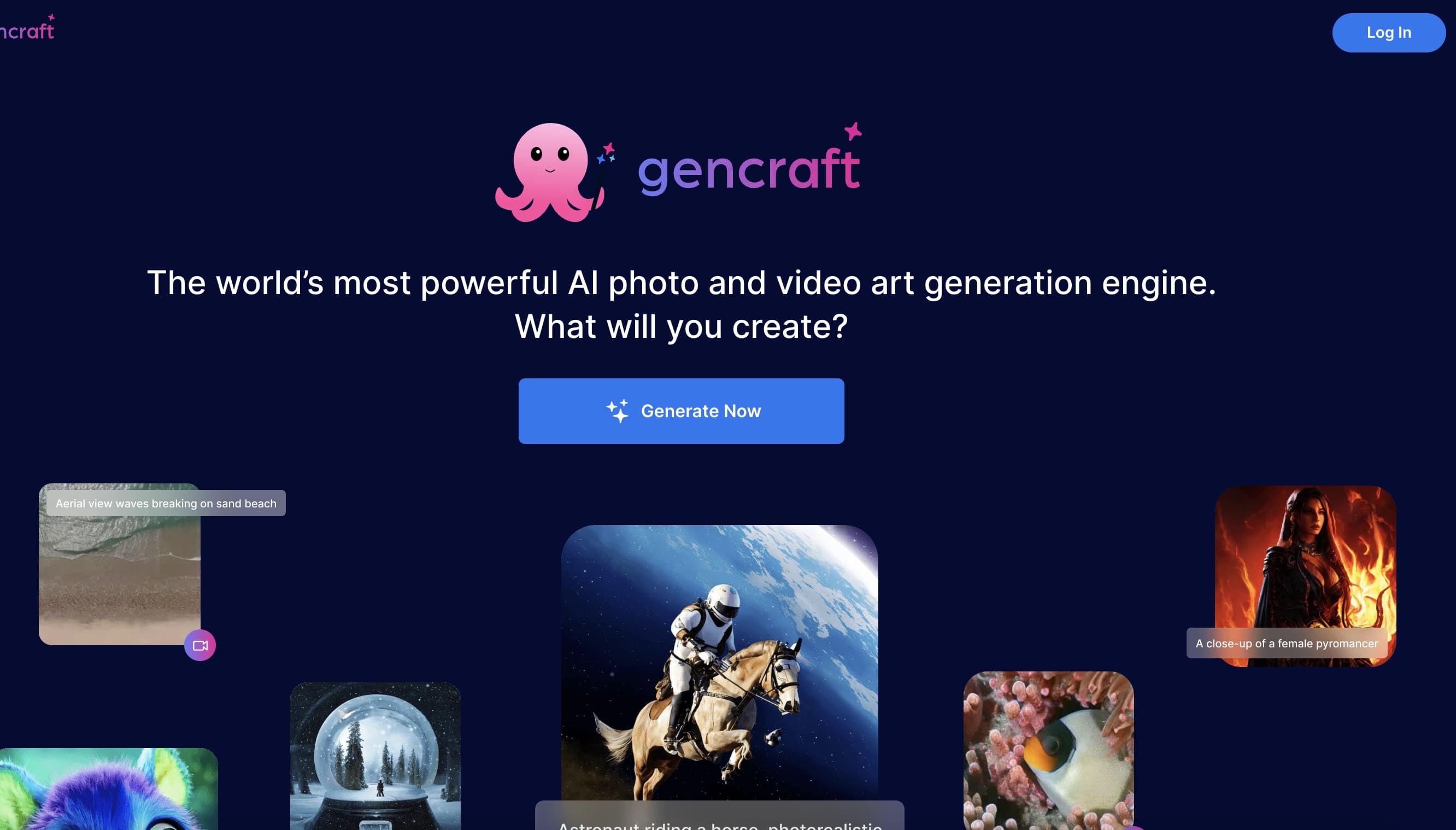
Web service for generating images from text prompts and converting photos and videos into artistic artworks.

Multifunctional AI platform for content creation, combining speech synthesis, text generation, avatar creation, and video editing.

A multimedia AI toolkit for editing and enhancing photos, videos, and PDF documents.
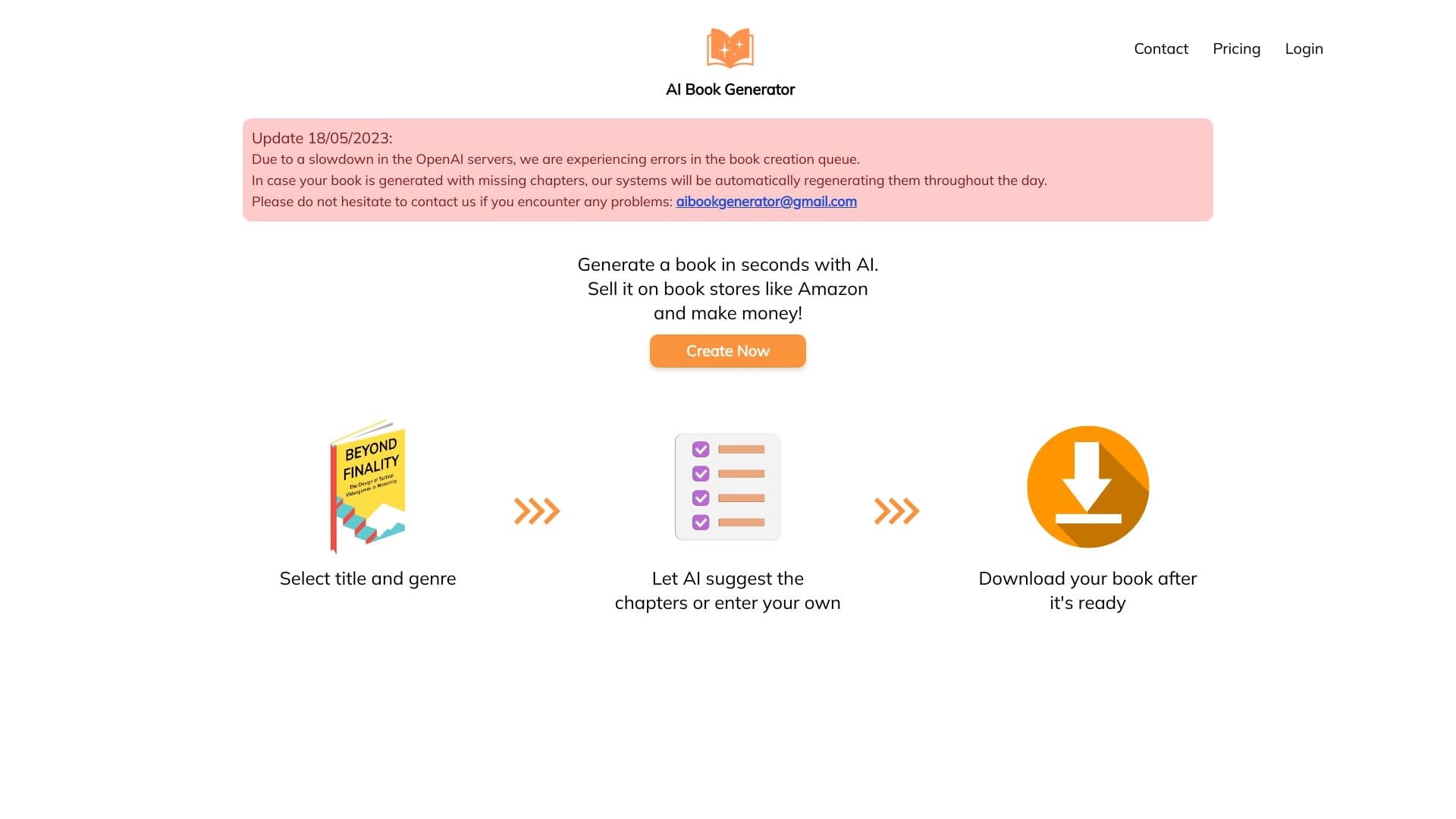

Service for quickly generating e-books on a given topic.