
Aboard
Platform for rapidly building internal business applications, such as CRM and ERP, with the help of AI and developer involvement.
Overview
Aboard is a platform that combines the capabilities of artificial intelligence with the work of live developers to create custom business applications. Instead of ordering software development through the classic model with long cycles and high budgets, companies get a tool for quickly building internal systems adapted to their specific processes.
The platform's main focus is on design simplicity and speed of implementation. You describe how your business processes work, and AI helps transform this into an application structure, while Aboard specialists refine the details and ensure implementation quality. This allows a company to get a working tool in weeks, not months or years.
In essence, the platform fills a niche that traditionally requires serious investment in an IT department or outsourced development. By combining automation and human involvement, it achieves a balance between flexibility, functionality, and the cost of building enterprise software.
Aboard Features
| Feature | Value |
|---|---|
| Type | AI platform for creating custom business software |
| Category | Enterprise systems (ERP), No-code and Low-code platforms |
| Website | aboard.com |
| Free tier availability | Not specified |
| Distribution model | Not specified |
| Technology | Artificial intelligence + involvement of live developers |
| Application areas | CRM, ERP, inventory, supply chain management |
Who is Aboard suitable for?
Companies needing to quickly launch internal systems
Aboard is aimed at organizations that need to quickly implement CRM, ERP, or other internal products. If classic development takes too long and can't keep up with business dynamics, the platform offers a shorter path from concept to a working system.
Businesses with unique processes
Enterprises whose workflows differ from typical scenarios often find that ready-made off-the-shelf solutions require significant customization. Aboard allows creating systems that initially account for the specifics of a particular industry and company scale, without the need to adapt to template solutions.
Companies looking to reduce IT costs
Organizations for which budgets for development using traditional methods are critically high can consider Aboard as an alternative. Shorter development timelines directly impact the overall project cost, making the platform attractive for mid-sized businesses and corporations optimizing expenses.
How to use Aboard?
Designing for specific processes
Work with the platform begins with describing the business processes the system should automate. The user outlines tasks, workflow logic, and desired functionality, and AI helps structure this data into a blueprint for the future application. Live developers step in when finer tuning and deeper integration are required.
Building and adapting the application
After the design phase, the application itself is assembled. The platform allows iterative refinement of functionality, adding new modules as company needs evolve. The system can grow and adapt alongside the business without rewriting all the code from scratch.
Integration with existing infrastructure
For companies that already have certain digital tools, Aboard involves embedding new applications into the current landscape. For example, when creating a CRM for real estate agencies, integration with MLS systems is provided, allowing businesses to keep using resources they already rely on.
Key Features of Aboard
Creating custom CRMs
The platform enables designing customer relationship management systems tailored to a specific business. This could be a CRM for a sales department, one for real estate with leads, follow-ups, and agent performance tracking, or a system accounting for the specifics of another industry.
Developing ERP systems
Aboard allows building full-fledged ERP solutions that bring finance, orders, and logistics into a single space. Instead of assembling a patchwork of disparate programs and Excel files, a company gets a cohesive system covering key business processes.
Tools for inventory and supply
A separate focus area is applications for tracking warehouse stock, supplier orders, and parts management. The platform handles complex supply chains, making it useful for service and manufacturing companies.
Aboard Advantages
Saving time and budget
The key argument for Aboard is reduced development time and cost compared to classic methods. This is achieved through AI-driven design automation and the use of ready-made modules, which reduces the amount of manual developer work.
Flexibility and scalability
The platform provides a solution that doesn't become obsolete within a year. The application can be developed and refined to suit changing business conditions. The enterprise-level nature of the solutions allows it to be used both in mid-sized companies and large organizations with complex structures.
Accounting for industry specifics
Unlike universal products that often require compromises during implementation, Aboard allows industry specifics to be considered from the very start. Adaptation to a company's particular workflows happens at the design stage, not after purchasing a license and months of customization.
Aboard Disadvantages
Open sources do not list any explicit disadvantages of the platform. Despite its obvious advantages, it's worth noting that Aboard is a relatively niche solution, and information about its limitations may be scarcer than for major universal platforms. The lack of data on a free tier and pricing model may also indicate that pricing is calculated individually, and the transparency of terms needs to be clarified directly with the company. As with any low-code platform, deeply custom and highly specialized features may require more developer involvement than marketing materials suggest.
What tasks does Aboard solve?
Lead management in real estate agencies
The platform allows building CRM systems that account for the specifics of real estate work: lead tracking, follow-up scheduling, agent activity monitoring, and integration with the MLS database. This addresses agencies' need for a tool that understands the nuances of their deals and customer cycle.
Warehouse accounting and supply chains
Aboard suits companies dealing with complex inventory management scenarios. This can include stock tracking, coordinating multiple suppliers, monitoring parts and components, and managing production cycles where control over several stages of material movement is required.
Consolidating business processes into ERP
Building a full-fledged ERP system is one of the platform's key tasks. Combining financial data, orders, warehouse operations, and logistics into a single system eliminates information fragmentation and gives management a complete picture. This is especially relevant for manufacturing companies and distributors with multiple business lines.
Aboard Pricing
Specific plans and the cost of using the platform are not disclosed in the provided sources. There is also no information about a free tier or trial period. For up-to-date pricing information, you need to visit the official website aboard.com or contact the company directly.
Aboard Terms of Use
Detailed terms of use for the platform, including requirements for the technical environment, support levels, and implementation processes, are not specified in the available data. It is known that the collaboration model involves live developers, but the form of this involvement — consultations, full support, or a hybrid approach — needs to be clarified with company representatives.
Aboard Availability
The platform is provided through the official website aboard.com. There are no indications of regional restrictions on use, which suggests the service has an international focus. Clearly, Aboard targets the business segment with a need for enterprise systems at the CRM and ERP level.
How Aboard differs from alternatives
Several services are cited as alternatives to Aboard, such as Wron, CatDoes, Base44, Anchor Browser, Hexomatic, and Microsoft Copilot Studio. However, the platform's positioning differs significantly from them.
First, Aboard is not just a text generator or office assistant, but a full-fledged environment for building business applications. For instance, Hexomatic and Anchor Browser solve narrower tasks of data processing automation and browser automation. Microsoft Copilot Studio focuses on embedding AI features into Microsoft ecosystem products, whereas Aboard creates standalone enterprise systems.
Second, the key difference is the combination of AI and live developers. Many low-code platforms leave the user alone with a builder, shifting all the expertise in design and architecture onto them. Aboard removes this burden by offering specialist involvement in the process, which is especially valuable for companies without a strong in-house technical team.
Third, the focus on large enterprise systems (ERP, CRM, inventory) sets the platform apart from simple tools for creating internal forms or databases. Aboard targets complex tasks that require thoughtful architecture and process expertise, while most alternatives operate at the level of individual functions or small applications.
Conclusion
Aboard is a modern approach to building enterprise software that combines the speed of artificial intelligence with the quality of work from live specialists. The platform solves the main problem of classic development — lengthy cycles and high costs — by offering companies the ability to assemble custom CRM, ERP, and inventory systems tailored to specific processes. This format will be especially useful for organizations that cannot find suitable ready-made solutions on the market and need a flexible tool capable of growing and adapting alongside their business. At the same time, details of pricing policy and collaboration terms should be clarified directly with official Aboard representatives.
Frequently asked questions
See also

AI assistant for business that helps manage tasks and automate routine through dialogue.

AI tool for automating social media marketing, including content generation, post scheduling, and analytics.

A platform for content creators that combines link management, email marketing, an online store, and analytics in a single visual editor without coding.

AI tool for automatic data extraction from financial documents and integration with accounting systems.
AI platform for voice synthesis and cloning that converts text into realistic speech.

A set of more than 200 ready-made prompts for business and SEO, adaptable to ChatGPT, Claude, and Gemini.
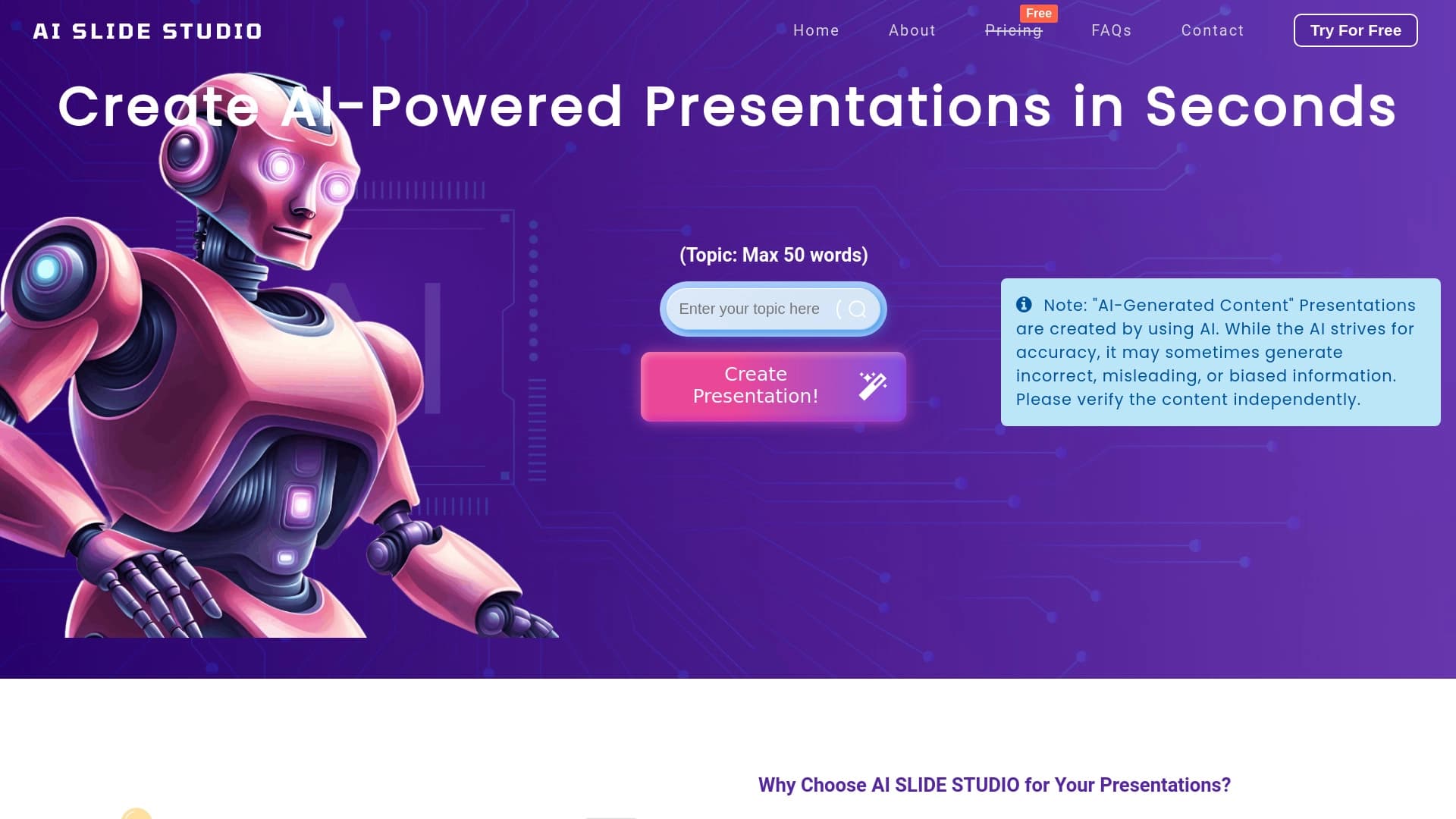

AI Slide Studio is an AI-powered service for quickly creating customizable presentations on a given topic.
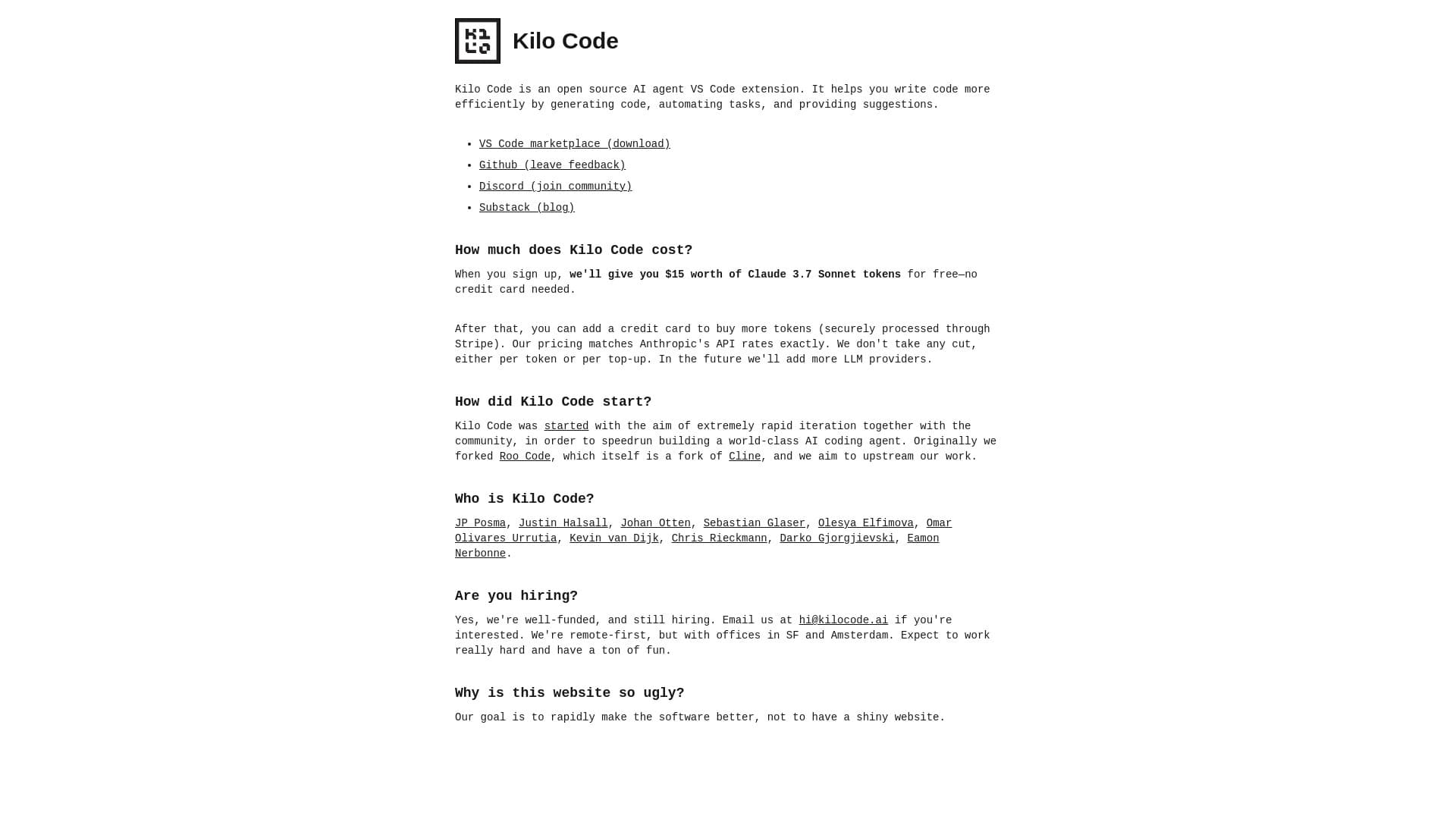

An open-source AI development agent that helps generate, refine, and debug code directly in the IDE.