

3D Avatar Diffusion
Experimental neural network from Microsoft for creating detailed 3D avatars from a photo or text description.

Overview
3D Avatar Diffusion, also known as RODIN Diffusion, is a Microsoft research project focused on generating three-dimensional human avatars. The technology is built on a multi-stage diffusion architecture that enables the creation of volumetric models with detailed rendering of shape, texture, and lighting. The system can work with both a photographic portrait of the user and a text description of the desired character.
The project should be viewed as a scientific demonstration of capabilities rather than a finished product. The developers publish example results and a description of the methodology, but no full public access to the tool for a broad audience is provided.
Concept and Research Focus
The main goal of the research is to show how diffusion models can be applied to the field of three-dimensional generation of human-like figures. Unlike many commercial services, this project focuses on the technical side of the issue and exploring the limits of quality of generated 3D models.
How It Works
At the current stage, it is not possible to generate your own avatar through the Microsoft website. Despite the existence of the project's web page and published materials, the system is a set of scientific developments and examples rather than an interactive service.
3D Avatar Diffusion Features
| Feature | Value |
|---|---|
| Type | Research neural network |
| Category | 3D models and objects, AI character creation |
| Developer | Team associated with Microsoft |
| Project website | 3d-avatar-diffusion.microsoft.com |
| Publication date on website | March 25, 2025 |
| Open access | No |
Who is 3D Avatar Diffusion suitable for?
Researchers and developers in computer vision
People studying methods of generating 3D content using diffusion models can find valuable information in this project. The published materials describe architectural solutions and approaches to multi-stage generation that may be useful for their own experiments.
Digital character creation specialists
Professionals in the gaming, animation, and virtual reality industries who follow the development of automatic character generation technologies can view this project as a source of inspiration and a benchmark for future commercial tools.
Regular users
For a broad audience, the project unfortunately does not yet offer practical value — it is impossible to try the technology yourself.
How to use 3D Avatar Diffusion?
No public interface
It is important to understand that there is currently no "try it" button or upload form available to every site visitor. You cannot simply upload your photo and get a three-dimensional avatar.
Studying research materials
The only way to interact with the project is to study the publications, examples of generated models, and technical documentation presented on the website. All system capabilities are demonstrated through pre-prepared examples.
Key features of 3D Avatar Diffusion
Generation from a portrait photo
The system can reconstruct a three-dimensional human figure based on just one portrait photo. The multi-level approach allows first creating a rough shape and then sequentially adding volume, textures, and adjusting lighting.
Generation from a text description
It is possible to generate characters from scratch based on a text prompt. The user (in research scenarios) can specify details such as hair color, clothing features, facial traits, and other characteristics that will be taken into account when creating the model.
Editing the created figure
The technology allows making changes to an already generated 3D model. For example, you can change a character's hairstyle or add accessories, while the other parameters of the figure and its textures are preserved.
Advantages of 3D Avatar Diffusion
High level of detail in results
Thanks to the multi-stage diffusion architecture, the system achieves high-quality rendering of fine elements: skin structure, clothing folds, and lighting features. This sets the project apart from many simpler avatar generators.
Versatility of input methods
The ability to work with both an image and a text description provides flexibility in the creative process. The user can start from a real person or create a completely fictional character.
Post-processing function
The ability to edit an already finished figure opens up additional use cases: you can iteratively refine a character to achieve the desired result.
Disadvantages of 3D Avatar Diffusion
No open version
The main significant drawback is that the project is not available to a broad audience. The user cannot upload their photo and get an avatar; all capabilities remain only in the research domain.
Limited public content
Only research developments, examples, and a description of the technology are published on the website. No full interactive demo available to anyone interested is provided.
Ethical risks
The developers note the potential danger of the technology: it can be used to create realistic fake images of people. The authors recommend labeling generated results to avoid abuse and misinformation.
What tasks does 3D Avatar Diffusion solve?
Creating personal 3D avatars
The main task of the system is generating a detailed three-dimensional avatar based on a single portrait image of a person. This could be useful for future applications in virtual reality, games, or video communication systems.
Generating fictional characters
The technology allows creating 3D figures from scratch based on a text description, without using reference photos. The user can specify the desired appearance characteristics and get a corresponding model.
Adjusting existing 3D models
The system supports editing a generated figure: changing hairstyle, adding accessories, and other modifications. This allows customizing an avatar for specific tasks without the need for full regeneration.
3D Avatar Diffusion Pricing
No information about the cost of use is available. The project is a research development and has no commercial distribution model. Since public access to the technology is not provided, it is premature to talk about tariffs or subscription plans. Presumably, if a commercial version of the product appears, the pricing policy will be announced separately.
Terms of use for 3D Avatar Diffusion
Scientific project status
The system is distributed exclusively within the framework of research activities. This means that all materials are provided for study and scientific analysis, not for practical use by end users.
Recommendations for labeling results
The authors emphasize the importance of labeling generated content. Images and 3D models created with the technology should be marked as synthetic to prevent their use for misleading purposes.
Availability of 3D Avatar Diffusion
As of today, there is no full access to the neural network for end users. Despite the existence of the project website with publications and examples, the functionality for creating avatars is unavailable to anyone except members of the research team. To try the technology, a broad audience will have to wait for a separate release or the emergence of third-party solutions based on this technology.
How 3D Avatar Diffusion differs from alternatives
Multi-stage diffusion architecture
The key difference from many existing solutions is the generation approach. Instead of single-stage model creation, the system works step by step: first a basic shape is formed, then volume, textures, and light are added. This allows achieving higher quality results.
Combined input data
A rare feature is the ability to work with two types of input data (photo and text) within a single model. Most competitors specialize in one of these generation methods. In addition, the ability to edit an already created figure is not found in all similar tools.
Research nature
Unlike commercial avatar generation services, this project does not aim to create a finished product. Its main mission is to demonstrate technical capabilities and publish scientific results, whereas most alternatives are aimed at the mass user and offer a simple interactive interface.
Conclusion
RODIN Diffusion, or 3D Avatar Diffusion, is a striking example of how diffusion models can be applied to the task of three-dimensional character generation. The Microsoft development demonstrates impressive results in creating detailed avatars from photos or text descriptions and opens new horizons for the industry. However, at the current stage, the project remains a laboratory development: it is impossible to go to the Microsoft website and create your own avatar. A wide range of users can only follow the development of the technology and wait for commercial products built on its basis to appear.
Frequently asked questions
See also

Mobile app for photo editing and creating stylized avatars using AI.
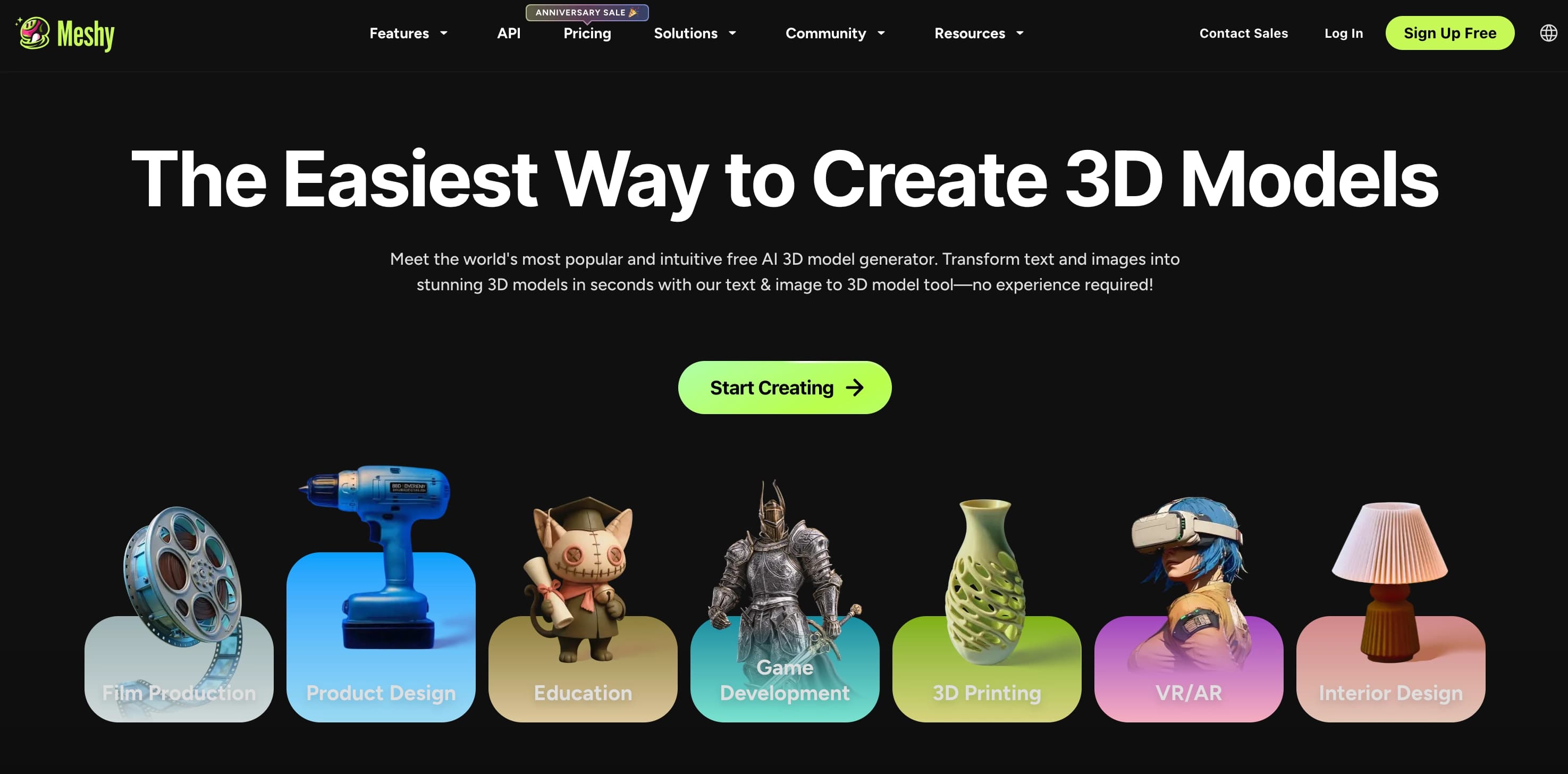
A neural network-powered cloud service for generating 3D models, textures, and animations from text descriptions or images.
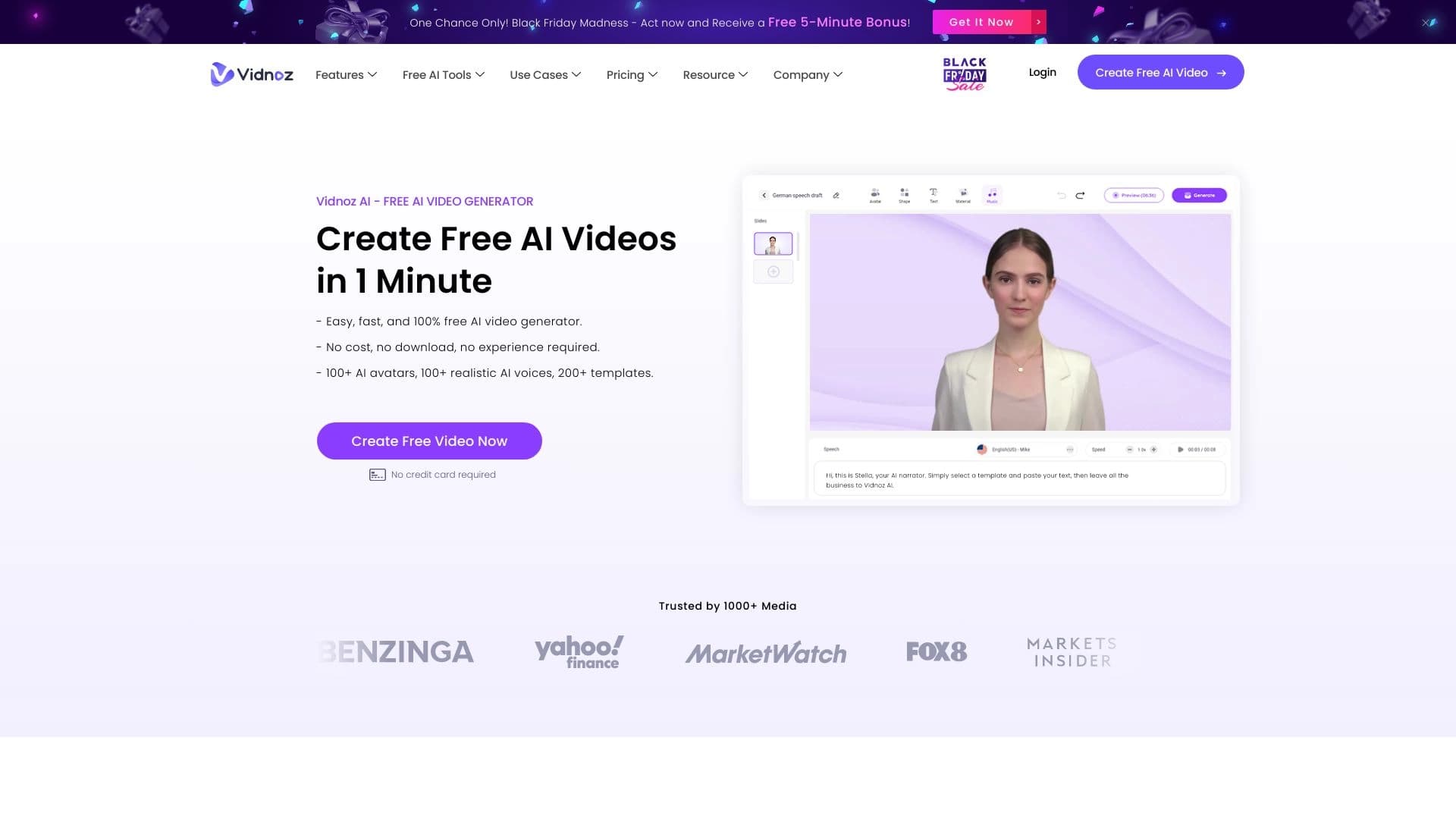
Cloud platform for creating videos using AI avatars, synthesized speech, and automatic translation of clips into dozens of languages.
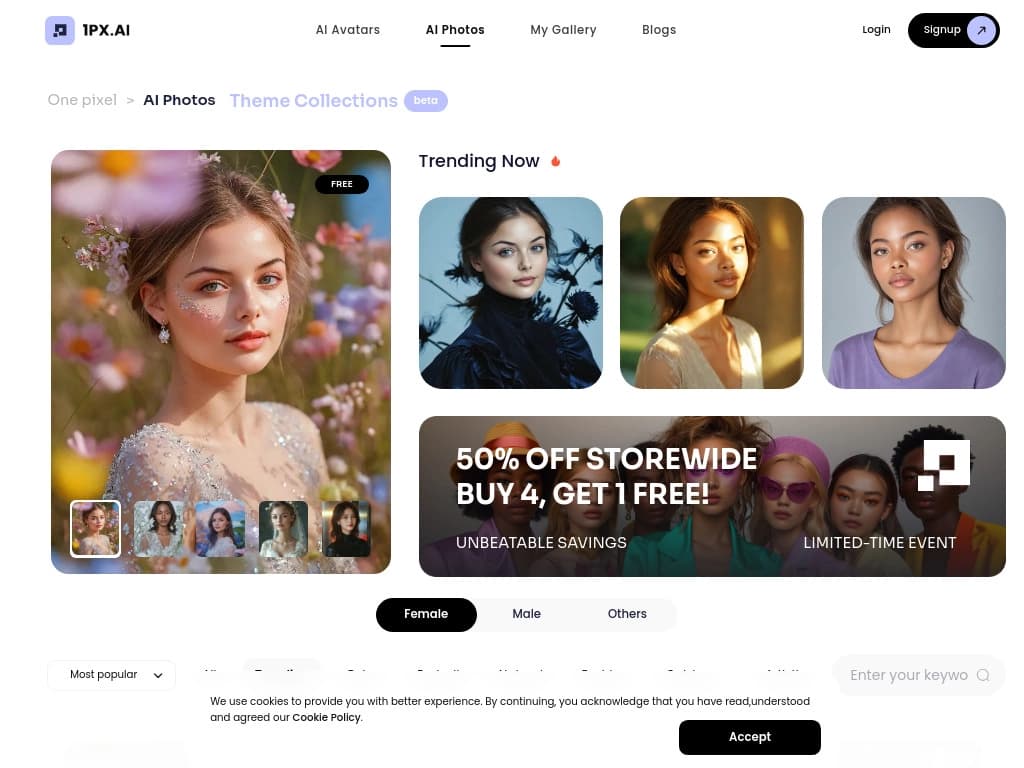

Online neural network service that transforms ordinary photos into stylized artistic portraits and avatars.
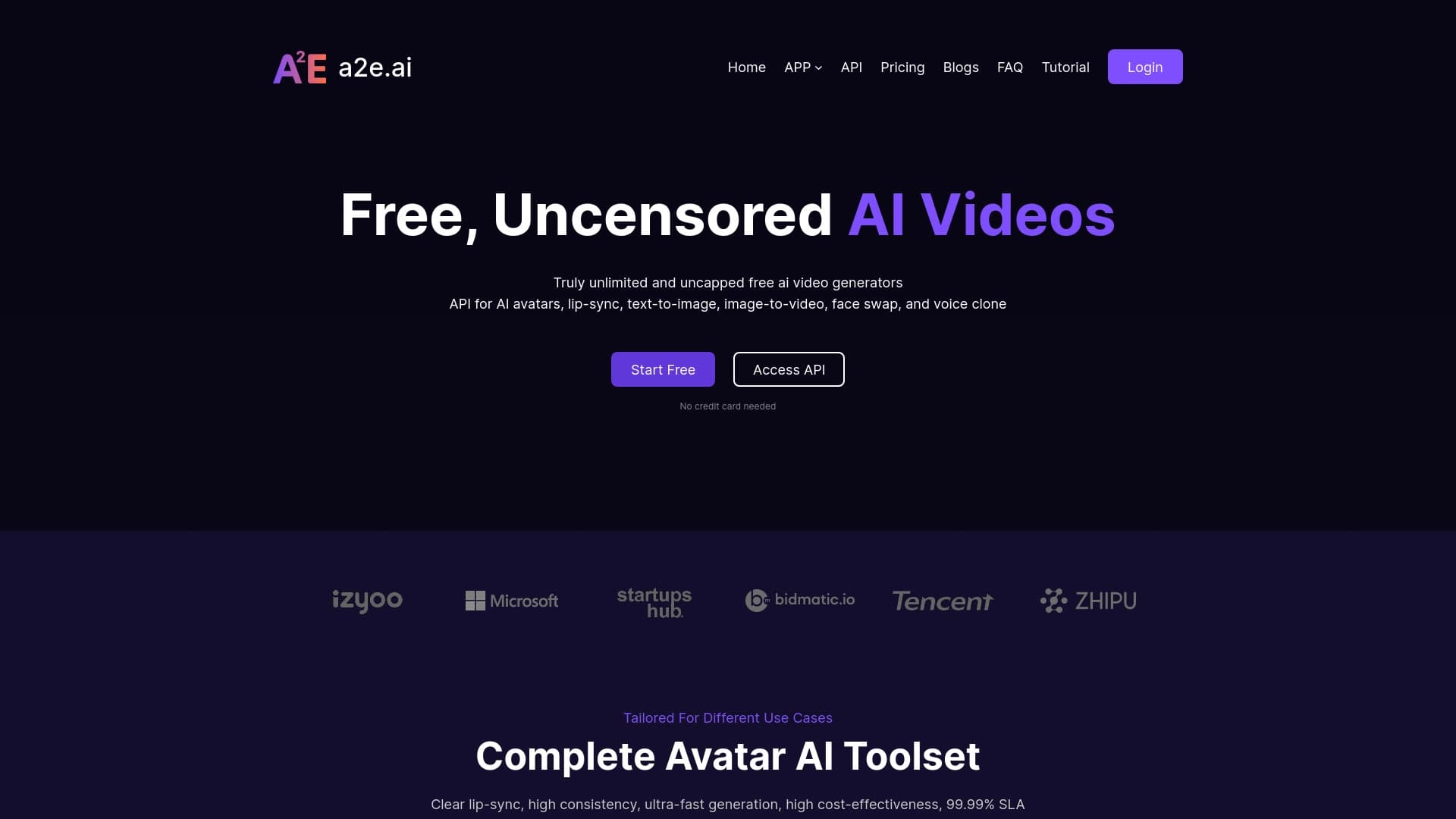

AI toolkit for video generation and editing, including avatars, lip-sync, and voice cloning.
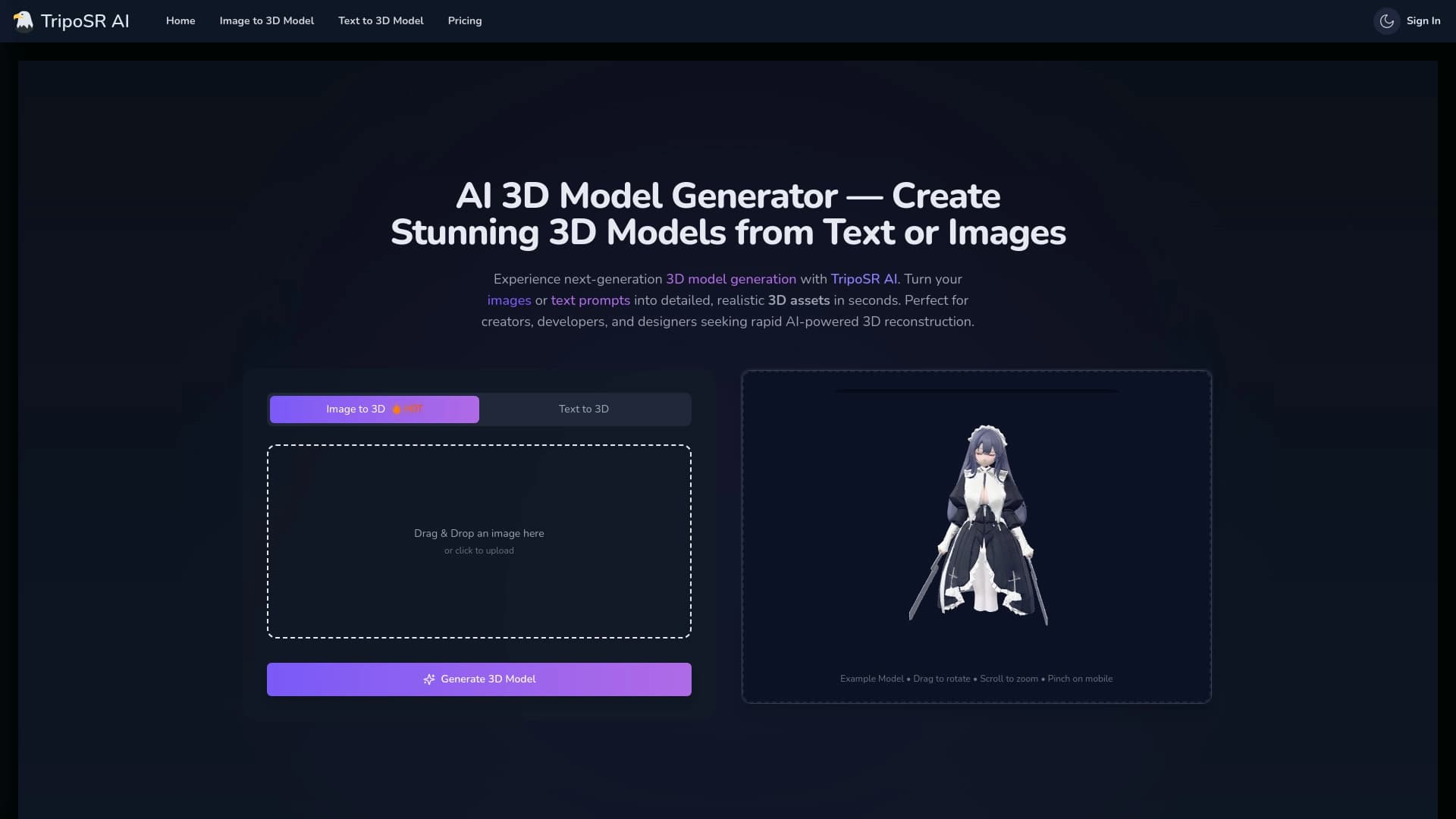

Open-source tool for quickly converting a single image into a 3D model.
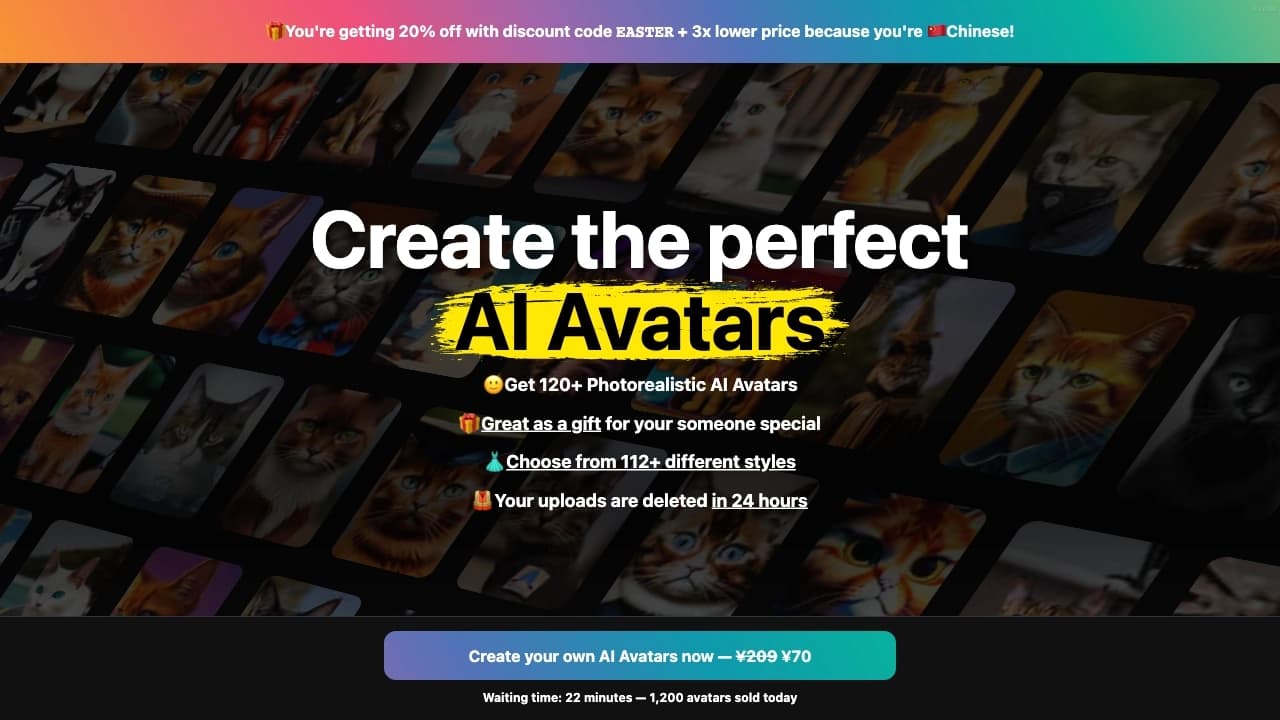
Service for creating personalized avatars and photo shoots using AI based on uploaded selfies.
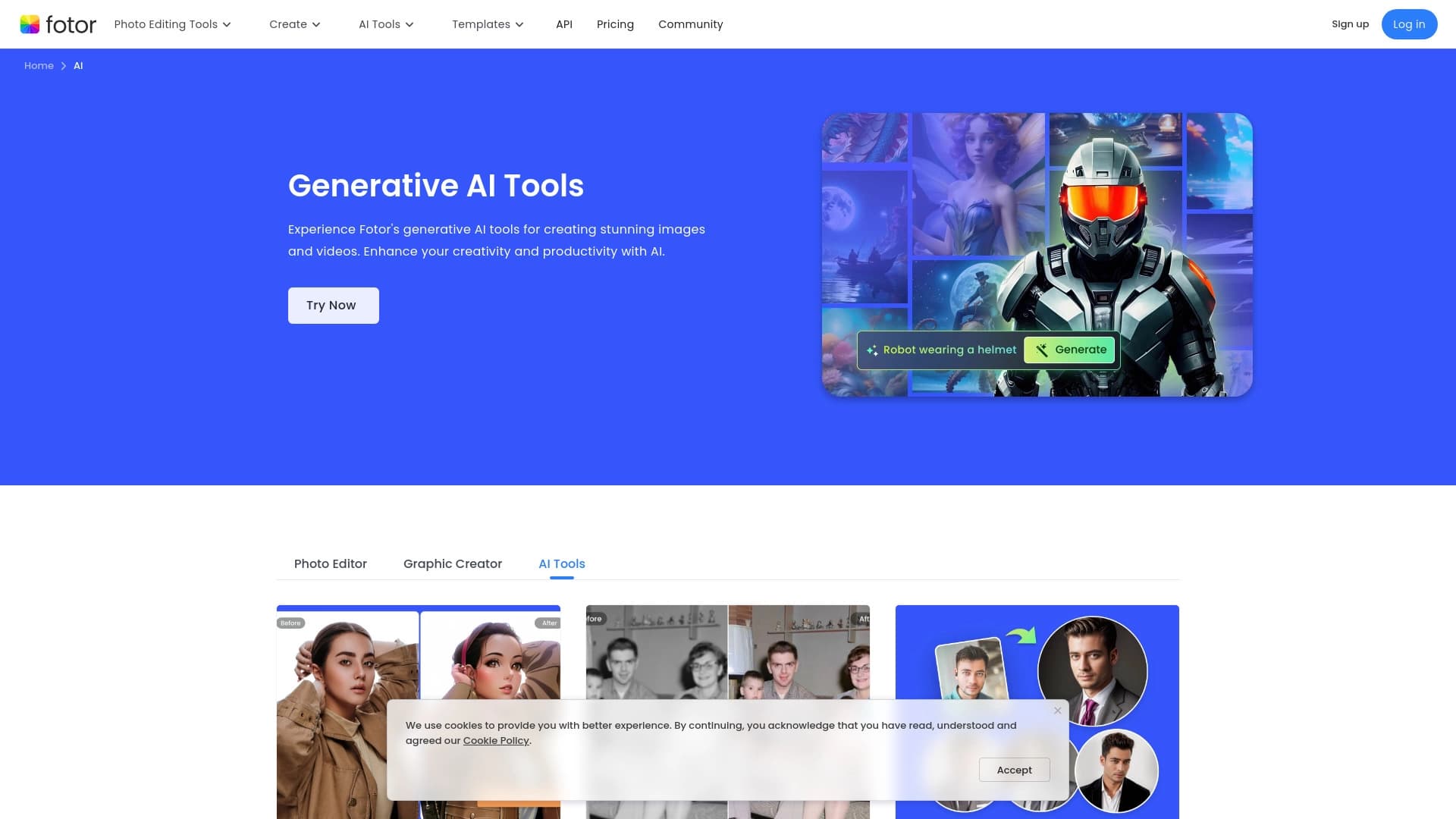

Online image editor with AI-powered features for photo processing, design, and content generation.